
Vessel Tracker: Best Apps for Real-Time Tracking
Compare the best vessel tracker apps for live ship tracking. Find the right tool for cruise families, seafarers, cargo shippers, and maritime enthusiasts.
Compare the best vessel tracker apps for live ship tracking. Find the right tool for cruise families, seafarers, cargo shippers, and maritime enthusiasts.
Find out which cruise ships are in port today in any city. A practical guide to tracking vessels in real time using live AIS data.
What is a port of call? Learn how cruise ships schedule port stops, what to expect ashore, top destinations worldwide, and how to track your ship in real time.

Cruise ship accident statistics, common causes of incidents, and practical steps to keep your family safe and informed while at sea.
Royal Caribbean pays $130K–$200K, Carnival $110K–$170K, MSC $100K–$155K. Monthly pay, rank progression, and line-by-line captain salary data.
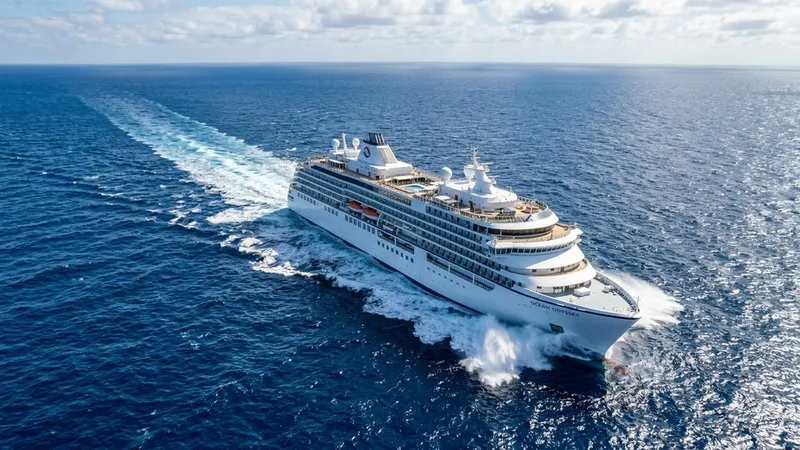
Learn what speed in knots means, how to convert knots to mph and km/h, and why ships and aircraft still use this ancient maritime measurement.
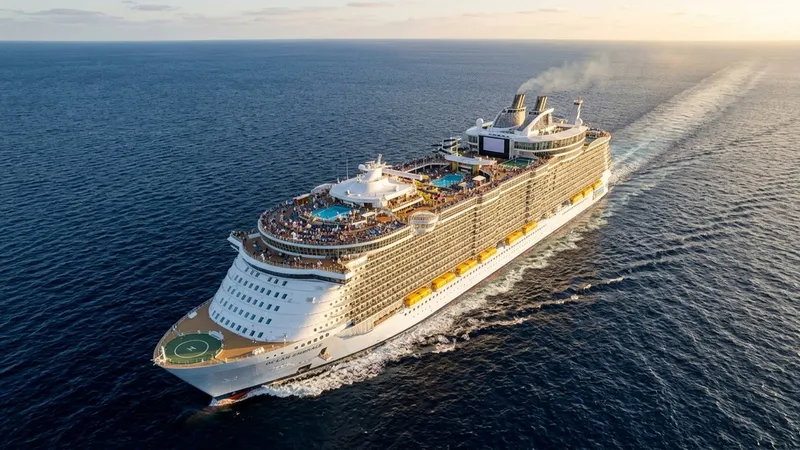
Gross tonnage explained with real ship data: understand what GT numbers mean, how they are calculated, and why they matter in vessel tracking apps.
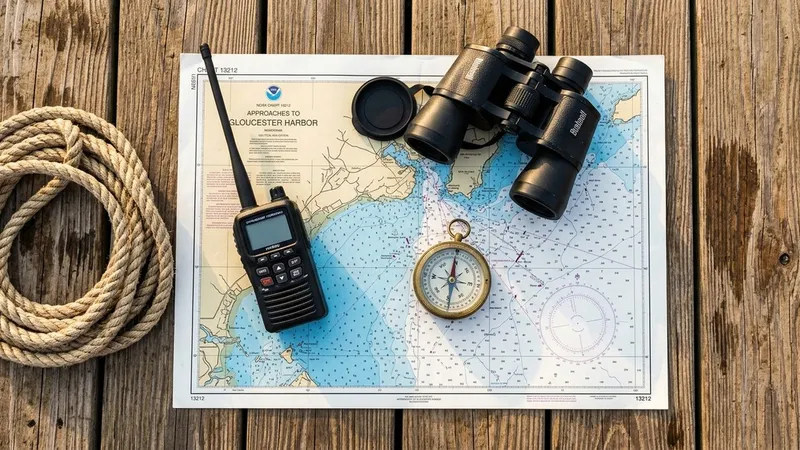
MMSI numbers power every ship tracking app. Learn what they are, how to look up any vessel, and how to register one for your own boat.
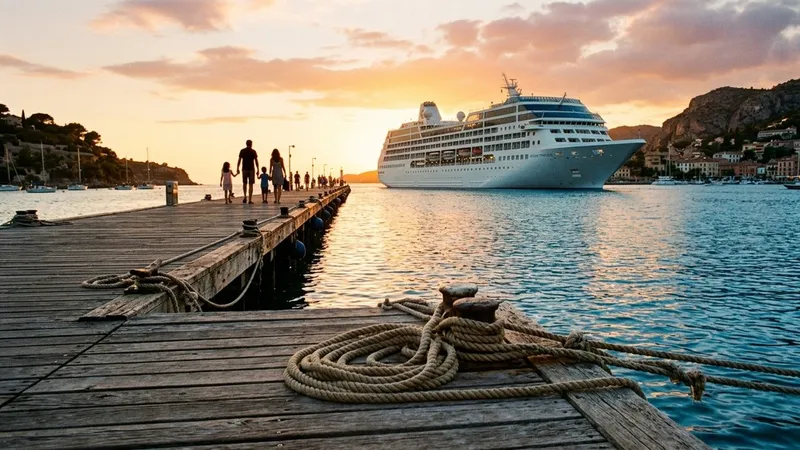
Find the best cruise line tracker for any fleet. Compare top alternatives to official cruise apps, covering Carnival, Royal Caribbean, Norwegian, and more.
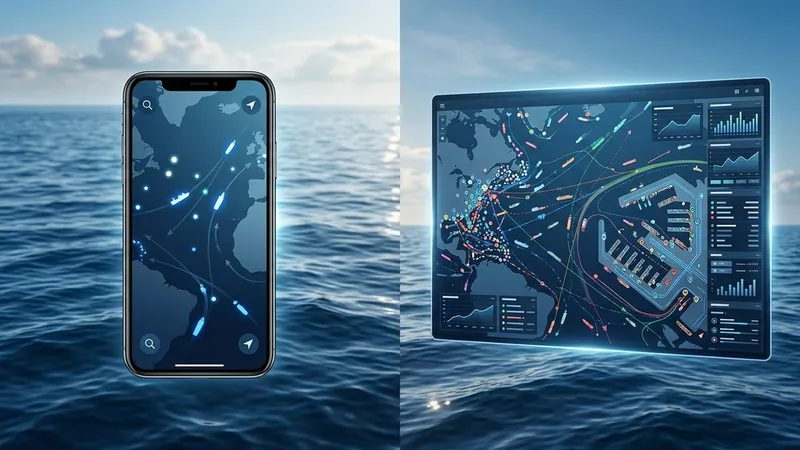
VesselFinder wins on simplicity and free access; MarineTraffic wins on data depth and port coverage. Here is which one to use and why.
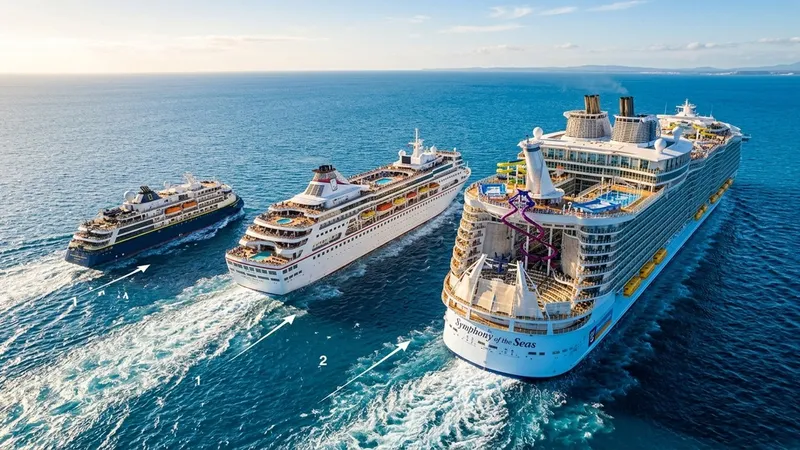
Cruise ship size explained: gross tonnage, size classes, the world's top 10 largest ships, and how modern giants compare to the Titanic.
A nautical mile is 1,852 meters, equal to 1.15 regular miles or 1.852 km. Learn its origin, how to convert it, and why all ships and aircraft use it.