



MMSI Number Explained: Find Any Ship in Seconds
An MMSI number is a 9-digit identifier assigned to every vessel, coast station, and SAR aircraft that broadcasts on maritime radio. It functions as the unique key behind every ship tracking app, so when you search for a vessel by name and the results load in seconds, it's the MMSI working in the background to pinpoint exactly the right ship.
Whether you want to track a loved one's cruise ship, find your cargo vessel, or register a number for your own boat, this guide covers everything you need to know about MMSI numbers and how to use them.
What Is an MMSI Number?
MMSI stands for Maritime Mobile Service Identity. It's a 9-digit number that uniquely identifies ships, coast stations, search and rescue aircraft, offshore installations, and navigational aids on the water. Think of it as the maritime equivalent of a mobile phone number: every vessel gets one, and no two are the same.
The structure of the number encodes information about the vessel's origin. The first three digits are called the Maritime Identification Digits (MID) and they represent the vessel's flag state, which is the country where it's registered. Chinese-flagged vessels, for example, carry MIDs 412, 413, or 414. The remaining six digits uniquely identify the individual vessel within that country's registry.
One important detail: because the first three digits reflect the flag state, a vessel that changes its country of registration will also get a new MMSI. This means a vessel can have multiple MMSI numbers throughout its lifetime, which is one reason the IMO number (covered below) exists as a permanent fallback.
MMSI assignment is governed by ITU regulations and administered by each country's national radio licensing authority. In the US, that's the FCC for licensed vessels. The system became mandatory under SOLAS (Safety of Life at Sea) when the International Maritime Organization required AIS on commercial vessels starting in 2002, with full implementation by 2004.
How MMSI Numbers Power AIS Tracking
When a vessel's AIS transponder is active, it continuously broadcasts three categories of data. The MMSI is the identifier that ties all of it together.
Static data contains the vessel's name, IMO number, call sign, type, and physical dimensions. Dynamic data includes real-time position, speed, course, and heading. Voyage data covers the current destination and estimated time of arrival. Every time this information is broadcast, it's tagged with the vessel's MMSI so receiving stations and satellite networks can attribute it to the correct ship.
Ship tracking apps use the MMSI as the unique lookup key. When you search for a vessel, the platform matches your query against its database of MMSI-linked records. A name search can return ambiguous results if multiple vessels share a similar name, but an MMSI search returns one vessel only.
AIS signals reach receivers through two distinct networks. Terrestrial receivers cover coastal areas and busy shipping lanes, typically up to 40-60 nautical miles from shore. Satellite AIS extends coverage to remote ocean areas where no shore-based receivers exist, enabling near-global maritime tracking.
How to Look Up Any Ship by MMSI Number
Finding a ship by MMSI is straightforward on any major tracking platform. You enter the 9-digit number into the search field, and the platform returns the vessel's current position, speed, course, destination, and detailed specifications within seconds.
The challenge for most people is getting the MMSI in the first place. Here's where to find it:
- Cruise line websites: most major cruise lines list MMSI numbers under their fleet information pages
- Cargo and freight documentation: bills of lading and shipping confirmations typically include the carrying vessel's MMSI or IMO number
- Ship tracking platforms themselves: if you search by vessel name first, the platform will display the MMSI in the vessel's profile, which you can then save for future searches
- Official maritime registries: governments publish searchable databases of registered vessels; Canada's National Maritime Information Database (NMID), for example, allows public searches by vessel name or MMSI
When you look up a vessel by MMSI, the data you see typically includes the vessel's name, call sign, flag state, type and classification (cargo, tanker, passenger, fishing, and so on), physical dimensions, current latitude and longitude, speed over ground, course, and estimated time of arrival. For commercial vessels, you'll often also find the registered owner and operator.
Primo Nautic lets you search by vessel name or MMSI number and then layers AI-generated context on top of the raw data: the weather at the vessel's exact location, a human-readable interpretation of what the vessel is doing, and personalized updates based on your reason for tracking. It transforms the lookup from a technical exercise into something a non-maritime audience can actually use.
MMSI vs. IMO Number: What's the Difference?
Both MMSI and IMO numbers appear in ship tracking databases, and it's common to confuse them. They serve different purposes.
The IMO number is a 7-digit permanent vessel identifier assigned by the International Maritime Organization. Once assigned, it never changes: the vessel keeps the same IMO number regardless of ownership changes, name changes, flag state changes, or major refits. It's the definitive historical identifier for any commercial vessel.
The MMSI, by contrast, is tied to the vessel's current flag state. It changes if the vessel re-registers under a different country's flag. While the IMO number is permanent, the MMSI is the live identifier that AIS systems broadcast and that tracking apps use for real-time positioning.
IMO numbers are mandatory for sea-going merchant ships over 100 gross tonnage, passenger ships, high-speed craft, and motorized inboard fishing vessels over 12 meters. MMSI numbers are required on any vessel with a VHF DSC radio or an EPIRB, which in practice means almost every commercial vessel and a large share of recreational boats.
For tracking purposes, either identifier works on most platforms. MMSI is generally preferred for real-time tracking because it's what the vessel is actively broadcasting. IMO is useful when researching a vessel's history or verifying identity when ownership has changed.
How to Register an MMSI Number for Your Own Boat
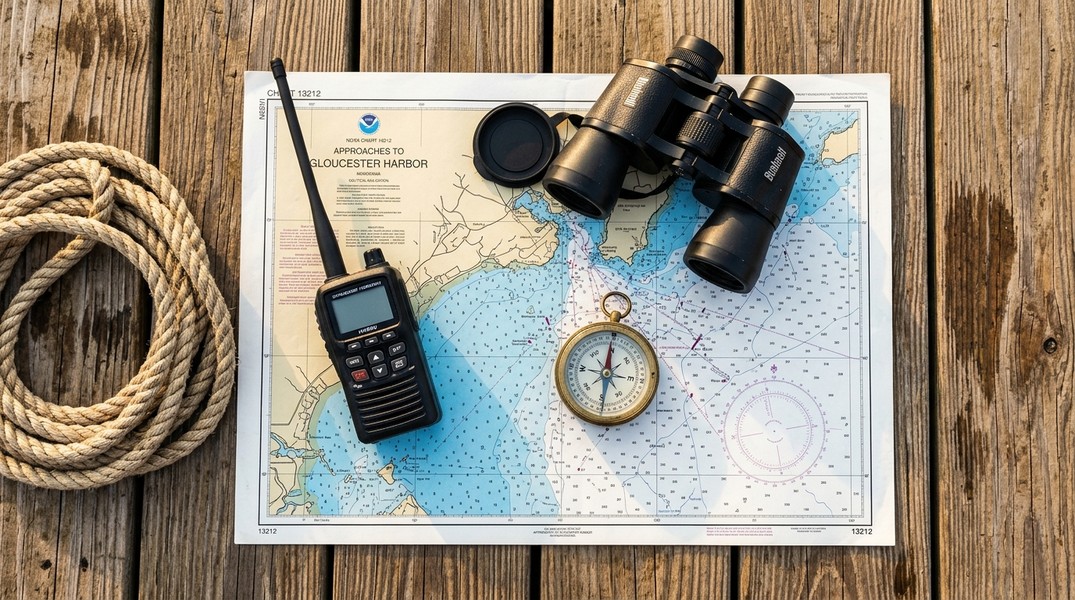
If your boat has a VHF DSC radio or an EPIRB, it needs an MMSI number registered to it. Digital Selective Calling (DSC) requires a programmed MMSI to function; without it, your radio can receive DSC calls but cannot send a properly identified distress signal.
Who Assigns MMSI Numbers
In the US, recreational boaters have several free registration options. BoatUS and Sea Tow both offer free MMSI registration for their members. For vessels that cross into international waters, the FCC requires a ship station license in addition to the MMSI. In Australia, AMSA issues MMSI numbers free of charge after you obtain the required marine radio operator's certificate.
What You Need to Register
The requirements vary slightly by country, but generally you'll need: the vessel's name and registration details, the owner's name and contact information, the type and model of your DSC radio or EPIRB, and proof of vessel registration or ownership. In Australia, you also need proof of a valid marine radio license.
After Registration
Once your MMSI is registered, it gets programmed into your DSC radio. When you press the distress button, your MMSI broadcasts automatically along with your GPS position. Rescue services receive your MMSI and can immediately pull up your vessel's registration information, including the owner's emergency contact details. This is why accurate registration matters: an unregistered or incorrectly registered MMSI can delay rescue response.
Your vessel's MMSI also appears on ship tracking platforms once it begins transmitting AIS data. This means other vessels, harbor masters, and your own family can track your position in real time using any AIS-based tracking app.
How Families and Enthusiasts Use MMSI to Track Ships
For anyone tracking a vessel they care about, MMSI is the fastest and most reliable way to pull up the exact ship.
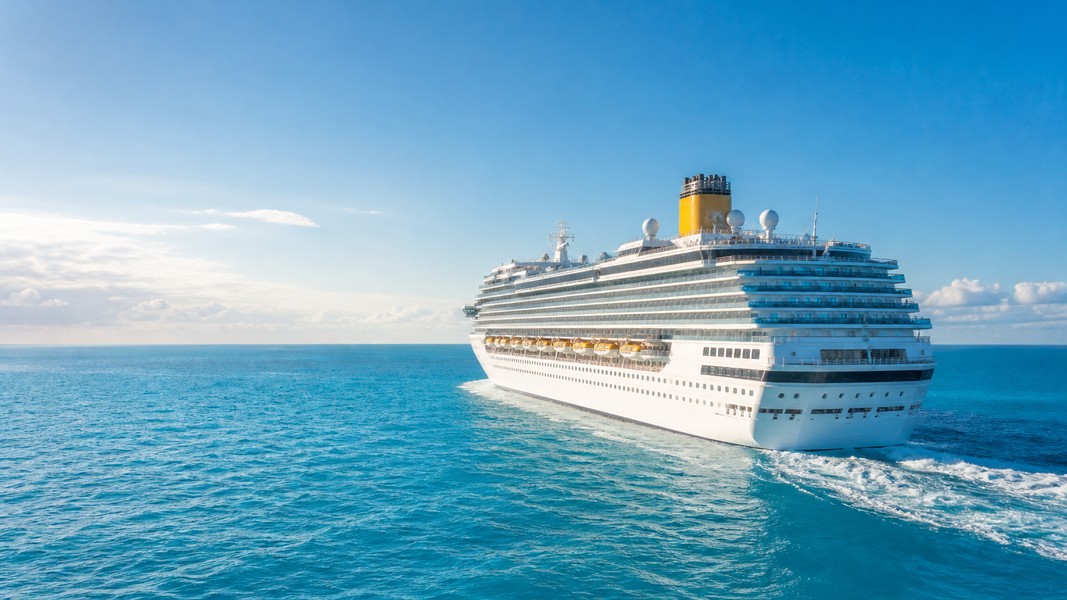
If a family member is on a cruise, the cruise line's website typically lists the MMSI for every ship in its fleet. You search that number in a tracking app, and you get real-time position, speed, weather at sea, and the vessel's ETA at the next port. Apps like Primo Nautic add a layer of context designed for non-maritime users: rather than raw coordinates, you get a human-readable update like "currently sailing at 18 knots, 340 nautical miles from Nassau, arriving tomorrow at 7am."
For those tracking a loved one who works at sea on a cargo or bulk carrier, the process is the same. Find the vessel's MMSI through the shipping company or freight documentation, then track it using live AIS tracking and set up arrival and departure alerts so you know when the vessel reaches or leaves port.
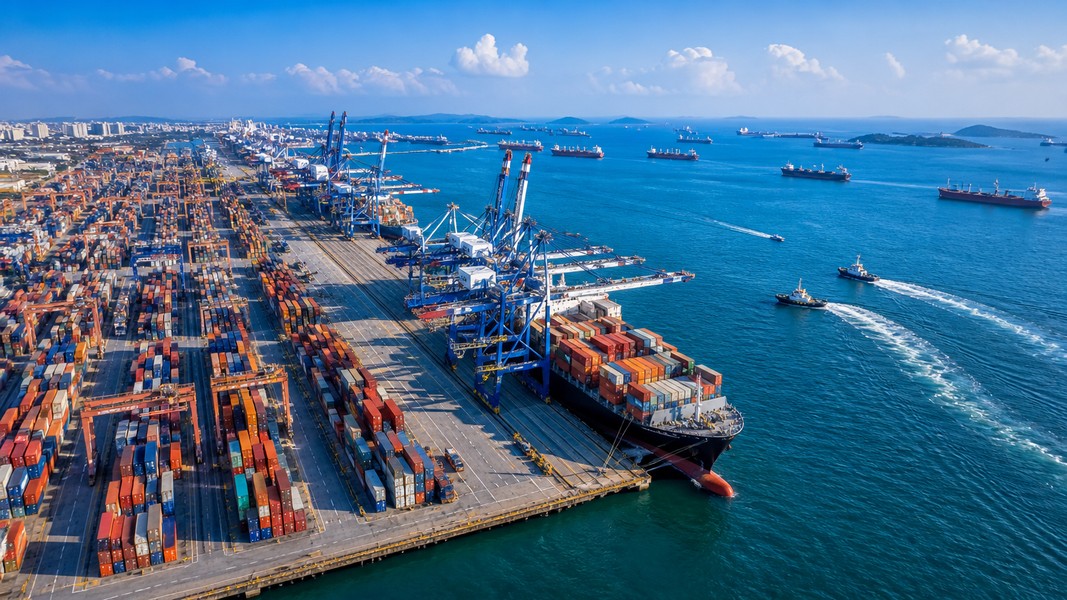
Cargo shippers use MMSI to monitor shipments throughout the voyage. Searching by MMSI removes ambiguity: instead of filtering through a list of similarly named vessels, you pull up your specific carrier in one step. You can monitor the route, identify any deviation from the planned course, and compare the captain's reported ETA against the AI-calculated route prediction to anticipate delivery windows.
Ship enthusiasts often start with a vessel name, find its MMSI in the tracking platform's profile page, and then save it for repeat searches. If you're tracking a specific vessel over time, the MMSI is the identifier to bookmark. Unlike vessel names, which can change, the MMSI stays constant as long as the vessel remains under the same flag.
Understanding how to track a cruise ship starts with knowing its MMSI. The 9-digit number is your direct line to any vessel on the water, and every major tracking platform, from MarineTraffic to VesselFinder to Primo Nautic, treats it as the primary identifier for search and real-time positioning.
What the MMSI Structure Tells You at a Glance
The first three digits of any MMSI reveal the vessel's flag state immediately. A number starting with 338 or 366 is a US-flagged vessel. A number starting with 232 or 235 is UK-flagged. Vessels with numbers beginning with 477 are Hong Kong-flagged, while 412-414 indicates China.
This prefix also helps when searching for a vessel in a global database. If you're looking for a specific cruise ship and your search returns multiple results with the same name, checking the first three digits can help you identify which entry corresponds to the correct flag state.
There are also special MMSI formats that indicate vessel type. Numbers beginning with 00 identify coast stations. Numbers in the 97x range are used for group calls to fleets. Numbers starting with 111 indicate SAR aircraft. These formats won't come up in everyday ship tracking, but understanding them explains why some MMSI numbers you encounter in databases don't resolve to a standard vessel profile.
Conclusion
The MMSI number is the universal identifier behind every ship tracking app. Its 9-digit structure encodes the vessel's flag state, links to all AIS-transmitted data, and gives you a precise, unambiguous way to pull up any ship in seconds. For families tracking loved ones, cargo shippers monitoring shipments, boat owners registering their own vessel, and enthusiasts following ships around the world, the MMSI is the starting point for everything.
Most Recent Posts
Discover more articles from our blog.