
8 lessons
Personal survivor techniques
The STCW Sea Survival Personal Survival Techniques course forms part of the compulsory basic safety training for all seafarers.
The STCW Sea Survival Personal Survival Techniques course forms part of the compulsory basic safety training for all seafarers.
This firefighting course is part of the compulsory STCW Basic Safety Training for all mariners.

This course is part of the mandatory STCW Basic Safety Training for all seafarers with designated safety duties.

This PSSR STCW course forms part of the mandatory basic safety training for all sea farers.
Meteorology for seafarers is a course that aims to provide students with knowledge about the characteristics of various weather systems, reporting procedures and recording systems and onboard meteorological instruments.
Maritime English is a working language used by seafarers both at sea and in port and by individuals working in the shipping and shipbuilding industry.

With this course, trainees will gain knowledge about buoyage systems, terrestrial, electronic and celestial navigation.

The COLREGs include 41 rules divided into six sections: Part A - General; Part B - Steering and Sailing; Part C - Lights and Shapes; Part D - Sound and Light signals; Part E - Exemptions; and Part F - Verification of compliance with the provisions of the Convention.
Maritime English is a restricted language and it is restricted to the activities of men (and women) tied to a specific purpose within the maritime industry.
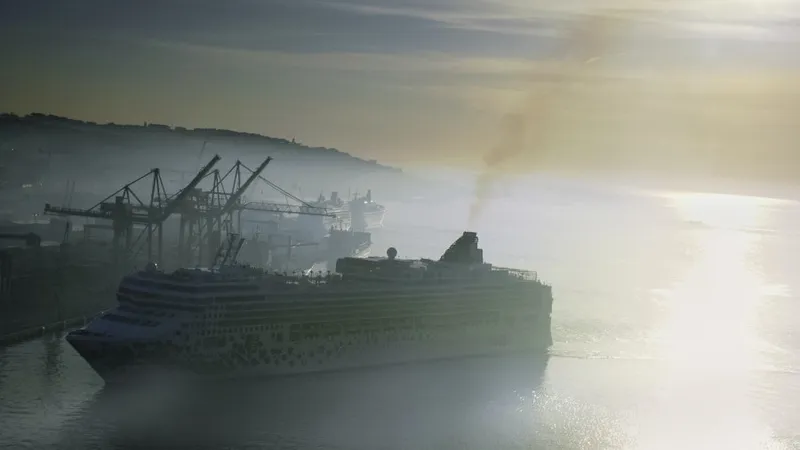
Marine pollution prevention is a serious responsibility for everyone involved in the maritime or offshore industries.

This course provides a foundational understanding of maritime cybersecurity in the context of the shipping industry's digital transformation.