



Meteorology
Meteorology for seafarers is a course that aims to provide students with knowledge about the characteristics of various weather systems, reporting procedures and recording systems and onboard meteorological instruments.
Curriculum
Atmosphere
The sun is the closest star to us. Thermonuclear reactions create energy on it, which it emits into space.
Temperature
Heat is a transitional form of energy that is transferred between two bodies as a result of differences in their temperatures.
Air pressure and humidity
The action when the atmosphere molecules and atoms hit a particular surface manifests itself as the force that is, calculated to a surface unit, called air pressure.
Wind
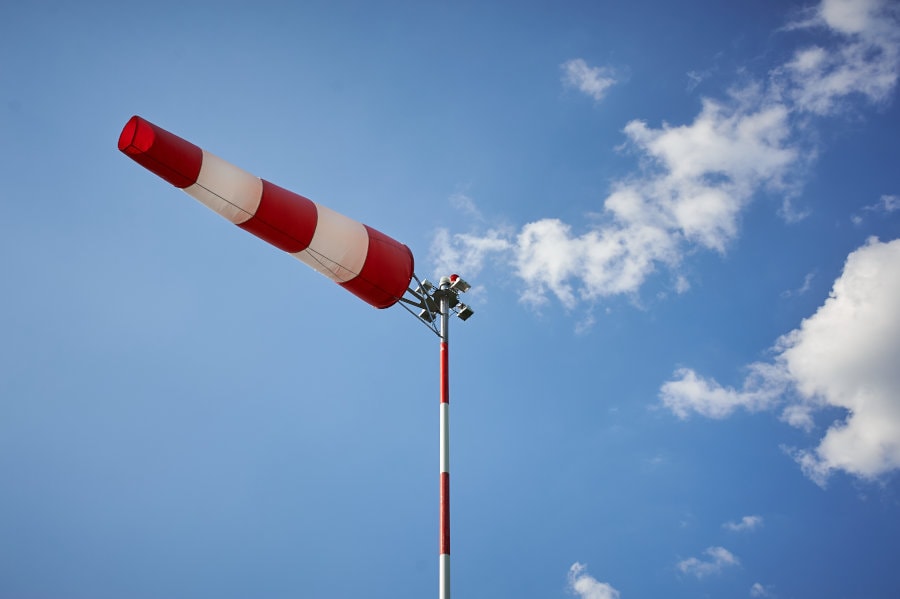
Wind refers to the horizontal and vertical movements of air. In the maritime industry, the speed of air currents is measured in nautical miles.
Clouds
Visible clusters of droplets or frozen crystals floating in the atmosphere are freely called hydrometeor or cloud.
Precipitation
Precipitation refers to the groups of water particles in liquid or solid form which fall from the clouds to the Earth surface or build up on objects and soil from the air.
Analysis and forecasts
Forecasting the weather starts with continually observing the state of the ocean, land surface and the atmosphere.