
Personal survivor techniques
The STCW Sea Survival Personal Survival Techniques course forms part of the compulsory basic safety training for all seafarers. The aim of this course is to provide the necessary knowledge to maximize the chances of survival in cases of emergency.
Curriculum
STCW 1978 - safety and survival
From its beginnings to the present, the history of seafaring has been overflowed with tragic experiences of navigation at sea due to human factors.
Emergency situations
An emergency situation aboard a ship must be handled with confidence and calmness.
Evacuation
Basically, a ship is evacuated due to circumstances/emergencies which couldn't have been foreseen or resolved appropriately.
Lifeboats, liferafts and rescue boats
Lifeboats allow people to stay longer at sea after the ship sinks. Lifeboats are made of wood, aluminum, steel or fiberglass.
Personal life saving appliances
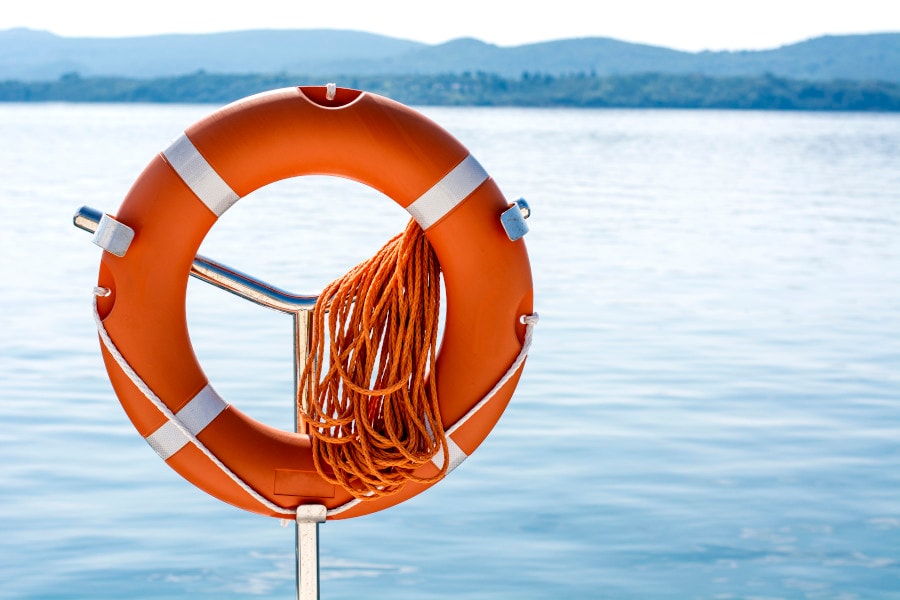
Life-saving appliances refer to instrument, devices and tools that protect human life at sea.
Survival at sea
After leaving the ship, during their stay in a boat or raft, people are exposed to extreme mental and physical exertion caused by an unusual and life-threatening situation and must act reasonably, timely and organized.
Emergency radio equipment
According to IMO (1999) the Global Maritime Distress and Safety System (GMDSS) is an internationally determined and acknowledged set of safety procedures, types of equipment, and communication protocols used to reinforce the safety and facilitate the rescue of distressed ships, boats and aircrafts.
Helicopter assistance
Aircraft are rarely used for rescue, but helicopters are a very good rescue tool.