




Evacuation
Circumstances/emergencies that lead to evacuation
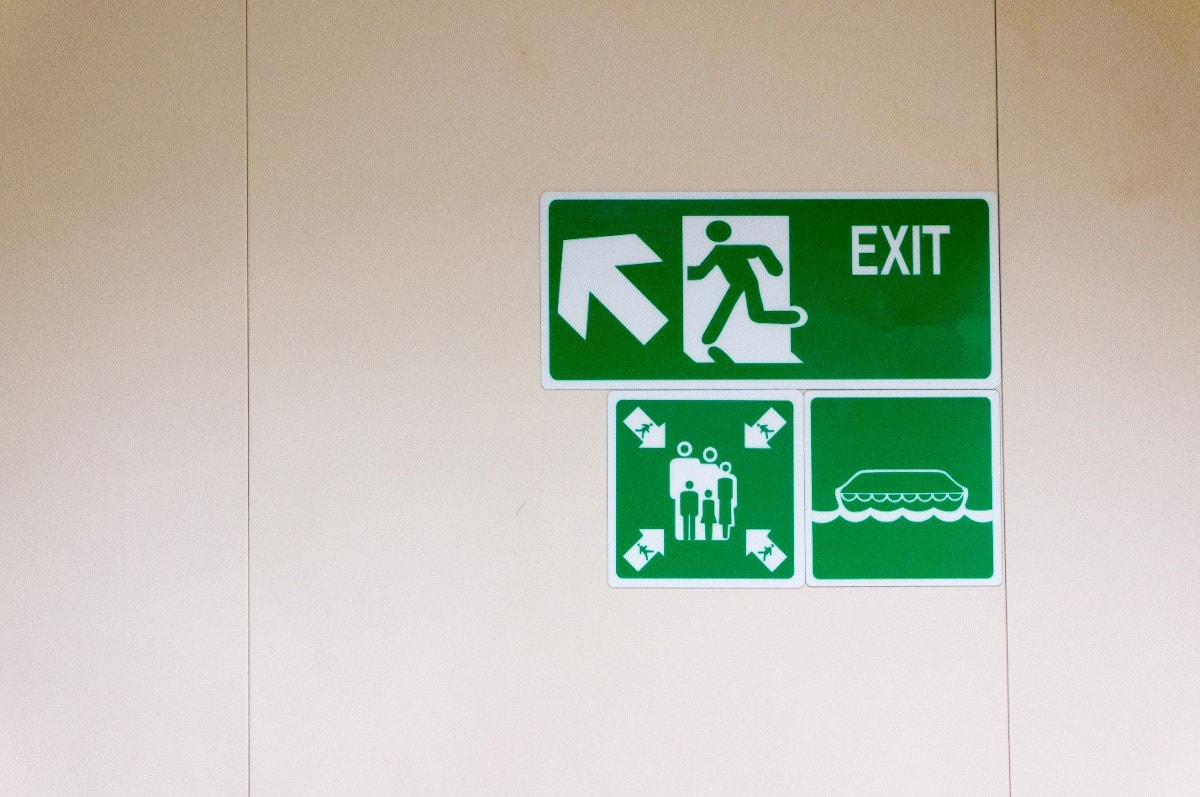
Basically, a ship is evacuated due to circumstances/emergencies which couldn't have been foreseen or resolved appropriately. Generally, such events can be categorized into events that:
- do not cause adverse effects
- did not cause, but could have caused adverse effects
- directly/indirectly cause harmful consequences (loss of lives, health endangerment, material damage on board, shore or other vessels, pollution, etc.).
The ship is abandoned mainly because of maritime accidents generally divided into:
- sinking
- stranding
- collision and impact
- fire and/or explosions
- damage to hulls or machinery, etc.
Ship crashes have occurred many times in the past, often with no known cause or trace. Nowadays, accidents are a rarity (thanks to navigation planning, reporting and monitoring systems for ships, navigation control, excellent communication links).
Marine casualties usually consist of multiple related events. One event follows the other. For example, a collision between two ships is most often followed by fire, explosion, malfunction, and ultimately sinking.
Ships in international navigation must comply with international standards of navigation safety, in accordance with the SOLAS Convention (SOLAS SHIPS). There are about 60,000 of them.
SOLAS Convention alert schedules contain a description of the signs (signals) for leaving the ship and the ways of issuing a departure order. The schedules describe and prescribe the procedures for all crew members (and passengers) in the event of evacuation. They refer to the:
- closing of watertight and fire doors and other openings
- preparing boats, rafts and other life-saving appliances
- lowering of boats and rafts
- ways of gathering passengers
- use of liaison means
- special firefighting duties, etc.
Whatever the reason, leaving the ship should be the last resort in the safety of the ship's crew and passengers, as the ship is the safest shelter for people at sea. It is safer to stay on board if you are not threatened by a catastrophe in the form of a fire or explosion, but to stay in a boat or lifeboat. The decision to leave the ship is made by the Master.
Sinking
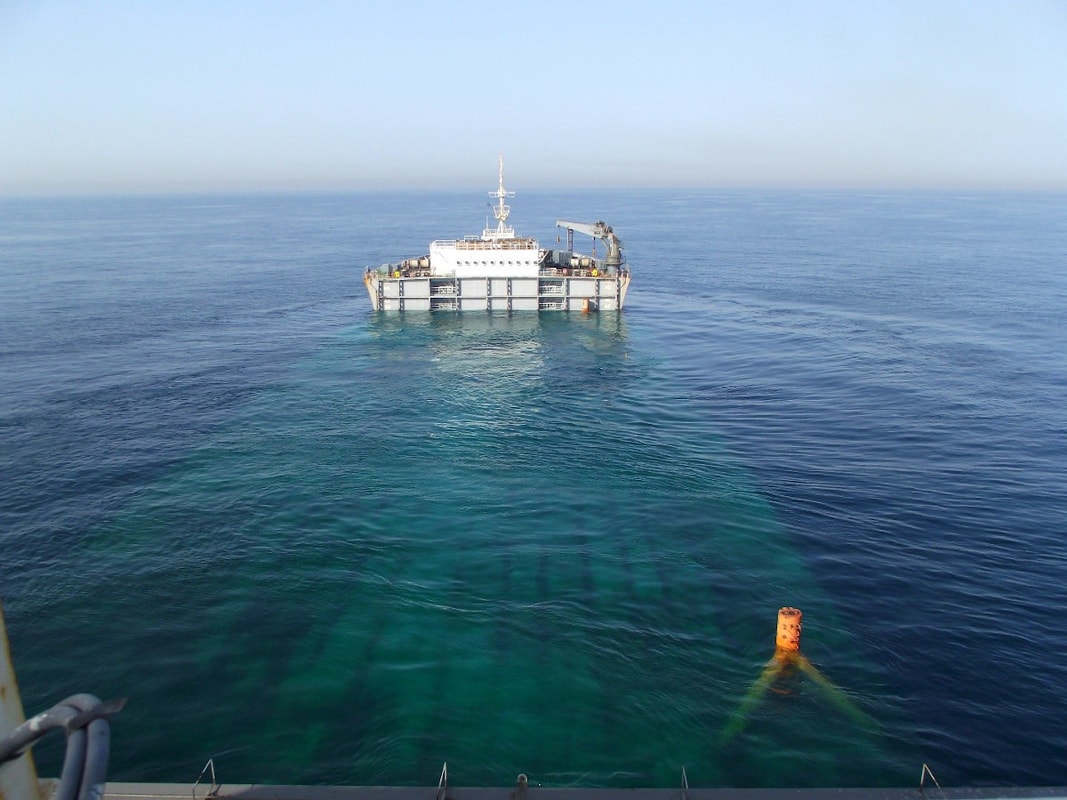
Sinking of the ship occurs due to loss of buoyancy, loss of stability or loss of hull strength.
Loss of buoyancy occurs due to flooding of the ship (penetration of water through openings on the ship's structure or through cracks on the hull). Flooding through openings (hatches, doors, covers, seawater intakes) is most often caused by improper closing or malfunctioning of closing mechanisms. Low altitude ships are the most exposed to this flooding. Strong surges on the deck can even cause the lids and doors to fall apart.
If the amount of water flooded is greater than the reserve buoyancy, sinking occurs.
Loss of stability and overturning occurs due to excessive tilting torque. It can be caused by external factors (waves, wind), or changes in the weight distribution within the ship.
The stability of each ship is conditioned by its shape and weight distribution. External forces can cause a slope (tilting moment) opposed by the ship stability moment. If the tilting torque is greater than the stability torque, a rollover occurs.
Rollover can also occur when the ship's natural rolling period is equal to or twice the rolling period caused by the side waves. There is a synchronous influence of the side waves and the natural rolling of the ship (a condition similar to the interference), so the slopes be extremely high. When navigating during bad weather, such positions should be avoided. It is best to sail in a course with a maximum wavelength of 30° left/right of the bow.
Loss of rigidity of the hull enables the penetration of water into its interior, so the water collects on one side, reducing its buoyancy, and creating additional tilting moment. Large ships, with no longitudinal bulkheads, are most susceptible to such influences.
Generally, the turnaround time of the ship is very short, making organized abandonment almost impossible.
Sinking of the ship can also occur due to loss of longitudinal strength, ie. bursting of the ship or due to a fracture of its construction. Older and used ships are more susceptible to such damage. Even when completely broken, the sinking is not too fast and leaves enough time to evacuate the ship in an organized manner.
Stranding
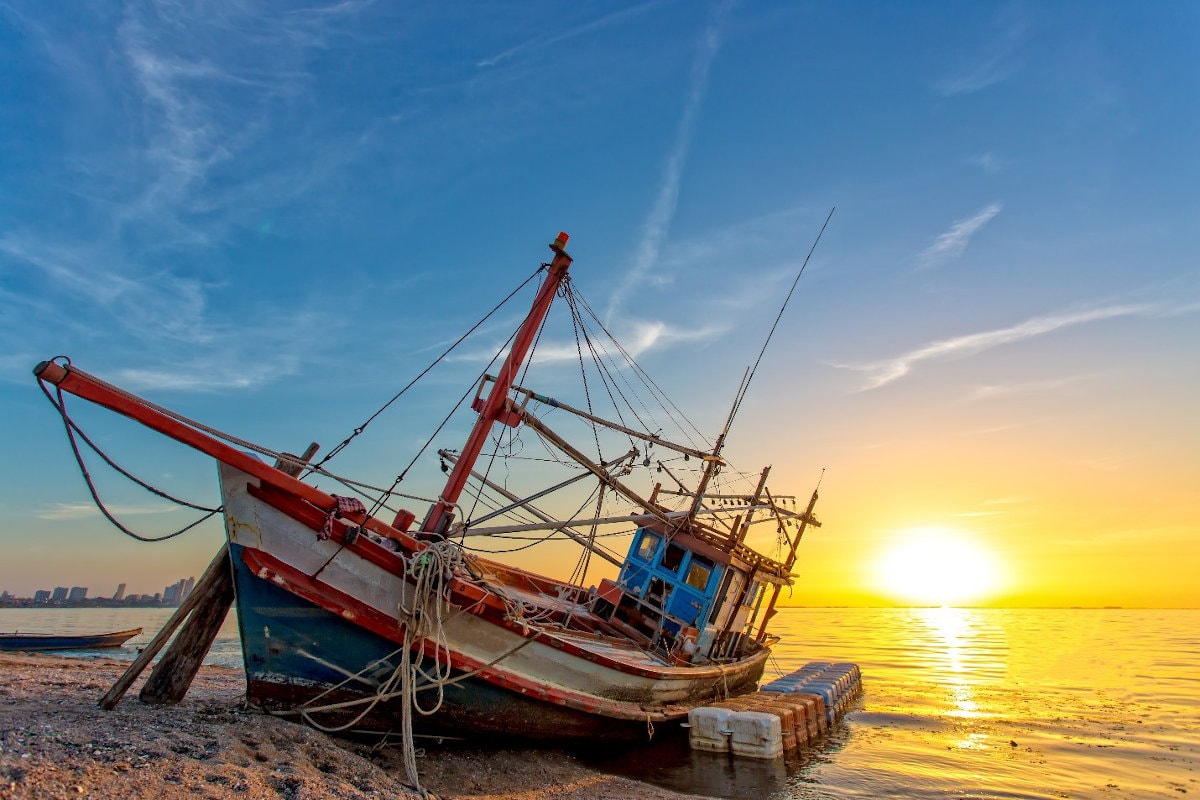
A vessel is stranded when it touches the seafloor to the extent that it does not permit further navigation, that is, the launching of the ship by its own machinery or equipment without damaging the hull, machinery or ship's equipment. A strand can occur:
- intentionally (ship rescue)
- in navigation (navigation error)
- while staying at an anchorage (storm) and
- due to a malfunction of the machine or some other marine accident
The ship is intentionally stranded if it is in immediate danger of sinking (fire, water intrusion). This should be done at the proper depth and adequate bottom at a very low speed to avoid major damage.
Stranding due to a navigational error can be avoided by better marking of waterways, and directing navigation, especially by introducing a separate navigation system.
Stranding while staying at anchorages are not uncommon, when bad weather unexpectedly starts and when the crew is not prepared for quick retraction of the anchors and starting the propulsion to leave the anchorage on time. Since anchorages are adjacent to the shallow parts of the coast, stranding is almost certain.
Stranding due to a malfunction of the propulsion machinery, control system, anchoring devices and other equipment, requires the assistance of tractor units.
In addition to damage, another danger of a boat being stranded is the possibility of tipping over. Overturning can be influenced by external forces (wind and waves), but also by the possible occurrence of very low water. If a boat overturn seems possible, it should be abandoned immediately.
If the ship is stranded near the shore, lowering the raft and the lifeboat can sometimes be dangerous (stormy weather). The ship may have been spotted from the shore, so the evacuation is most commonly carried out with breeches buoy or life car.
Collision and impact
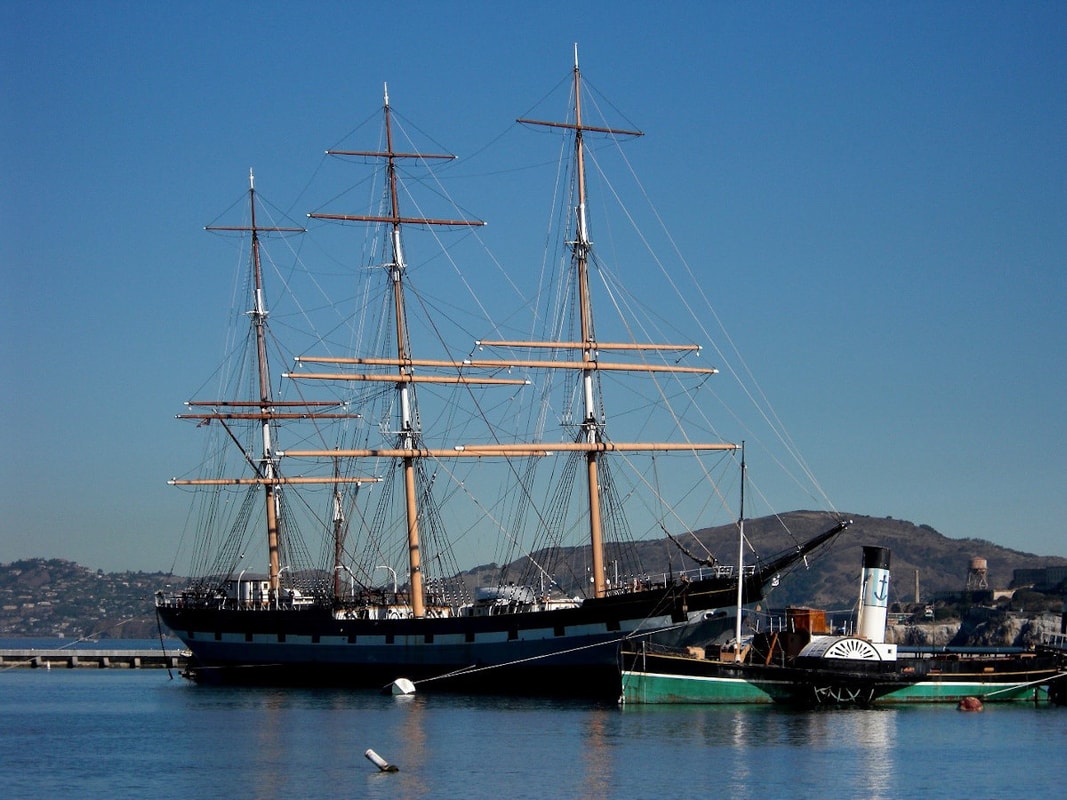
A ship collision is a collision of a ship with an object other than the ship itself which may occur during navigation, at anchorage or when the ship is moored, with or without hull damage.
Collision and impact are most often caused by the fault of one or both (more) officers on watch on the ships involved in the incident. The probability of a collision is proportional to the multiplication of traffic density (average number of ships per unit area) and the median relative speed of the ships.
It is considered that the most dangerous situation is when one boat at an angle of 45 ° strikes the other in the plane of the bow shoulders. In this case, large side openings are created through which water penetrates and makes the ship sink rapidly.
It is also very dangerous when one ship with a bulb strikes the bow of the other. While connected, ships normally float (ramming), but upon separation, the sinking of the impacted ship occurs. After the impact, the crew of the impacted ship must proceed to the ship that struck them, wait for separation and go back to the mother ship to do an examination after the separation.
Statistically, out of six collisions that happen, one or two ships sink (due to water penetration, loss of buoyancy or stability, fire, explosion, etc.). It is advisable to leave the ship as soon as possible, to wait for a certain amount of time, then return a part of the crew to perform inspection, so that only after a positive review, the remaining crew and passengers can return.
Fire and explosion
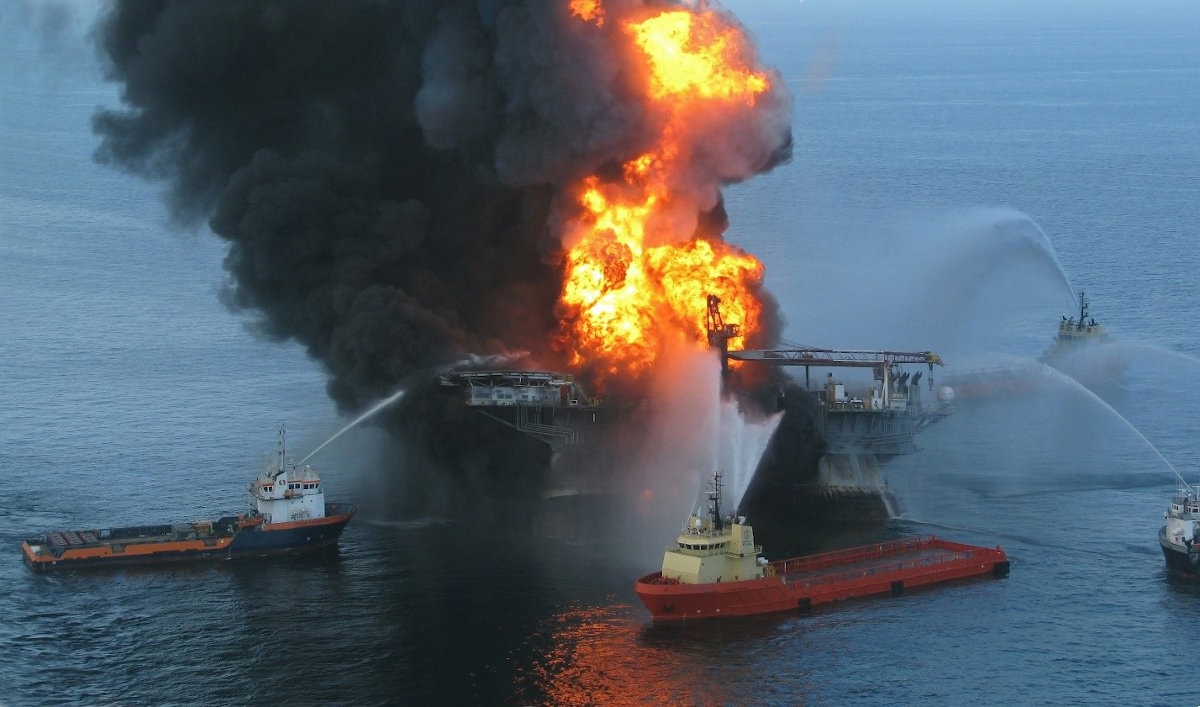
A ship fire is the uncontrolled burning of the whole ship or its parts. An explosion is the instantaneous combustion of cargo, that is, flammable gases and vapours from liquid cargo or propellant.
Fire/explosion occurs due to/after a collision, especially in ships with flammable cargo, and due to improper procedures employed by the ship's crew members.
Fires/explosions caused by improper procedures can occur during navigation, at anchorage or in the port.
If the fire was preceded by an explosion on the ship or if an explosion occurred during the fire, such damage to the hull of the ship may cause the ship to sink. In addition to the direct risk to human life of a fire or explosion, there are a number of fire hazards such as, for example, smoke choking or overturning of the ship due to reckless flooding of ship spaces.
A ship fire is different from other types of emergency situations and accidents since it is possible for a well-trained crew to significantly reduce its consequences through timely action.
Damage to hulls, equipment and machinery and other hazards that call for evacuation
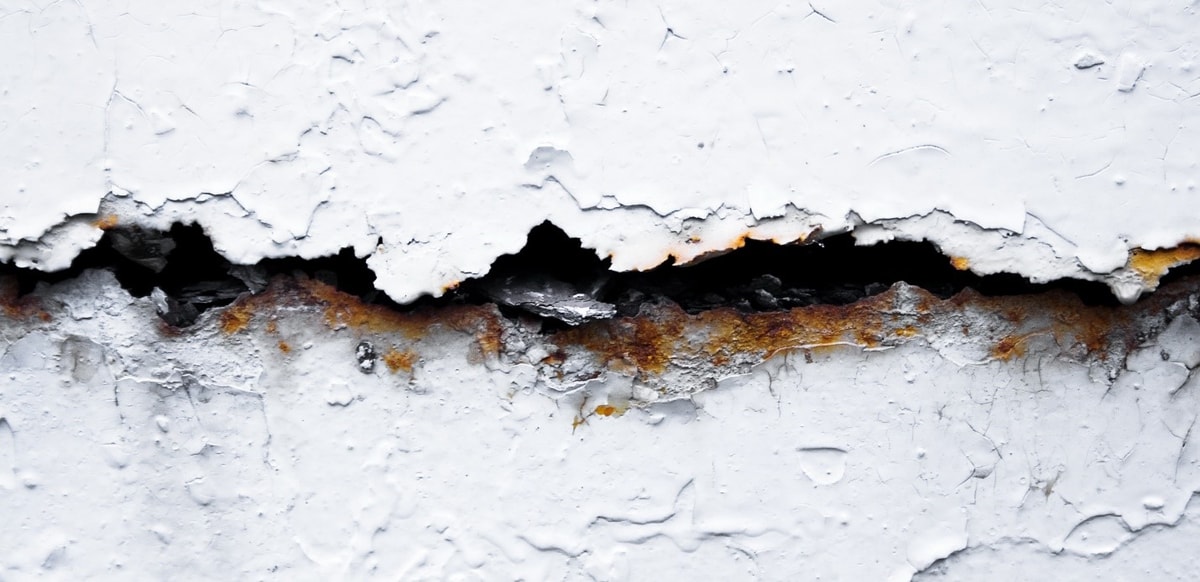
Damage to hulls, equipment or machinery are malfunctions that limit the ship's navigation or make it completely incapable of navigation for a period of time. Sometimes, the crew can successfully intervene and solve the problem, and sometimes, towing of the ship is necessary. The greatest problem may occur if a breakdown happens near the shore and cannot be remedied by the crew. The occurrence of bad weather conditions may cause the ship to be stranded or even to sink.
Other hazards that cause abandonment of a ship include warfare, robbery, fraud, etc. In warfare (war zones), attacks by military units on merchant ships are possible, or the ships itself can be damaged directly, e.g. by entering a minefield. Indirect damages may also occur. For example, the casualties of a landmine, a stray floating mine, or of a randomly fired missile, etc.
Robberies are organized group attacks on ships in navigation/anchorage for material gain. The property of members of a ship's crew, part of a cargo, or ship is robbed to sell its cargo. The most common attacks are in the Strait of Malacca, the South China Sea (2/5 of all attacks), the African coasts and the Central American region.
Muster and fire drills
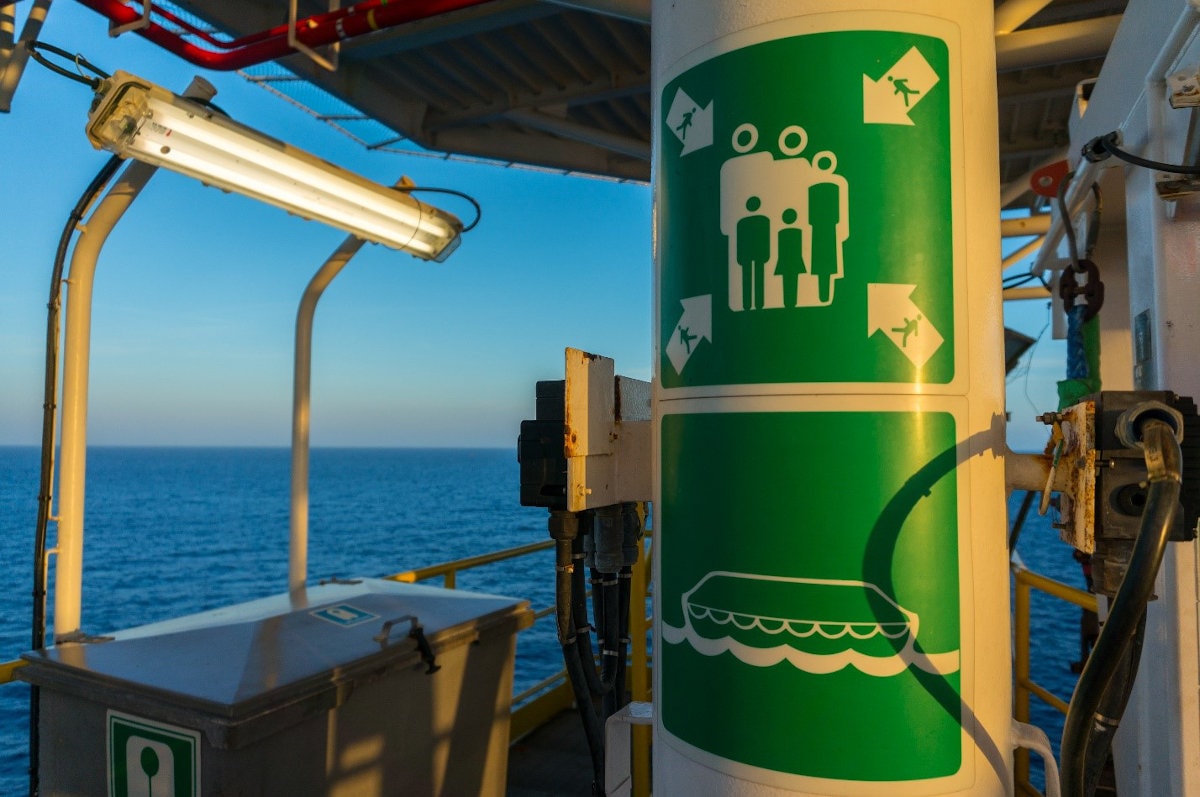
Due to the general importance and the need to master all procedures concerned with leaving the ship the SOLAS convention stipulates that each crew member must participate in the exercise of leaving the ship and extinguishing fires at least once a month. If more than 25% of the crew changes on board, the exercises should be organize no later than 24 hours from departure.
Passenger gathering exercises must be carried out on board passenger ships at designated locations no later than 24 hours after boarding. Passengers have to be familiarised with emergency operations, the use of lifejackets, safety measures, alerting mode, collection point and means of leaving the ship. Instructions are given in English and in one of the domicile languages, depending on the ethnic structure of the passengers. In addition to speaking instructions, posters, advertisements and other similar resources are employed.
A muster drill consists of the following actions:
- signal for leaving the ship - gathering of passengers and crew in scheduled places - checking the knowledge of safety procedures (according to the schedule)
- clothes check (suitability)
- proper vest fitting check
- search and retrieval exercises in the cabins of obstructed passengers
- preparations for launching one/more boats
- lowering at least one boat - launch engine - do some manoeuvring and
- make preparations for lowering the raft
Evacuation exercises should be performed as faithfully as possible, with a different raft lowered each time. Before launching, the crew must be in the raft. The exercises are carried out in port or during navigation, but in sheltered areas, under the supervision of an experienced officer. During the exercise, check that the emergency lights, the main marine power and emergency power source, are working properly.
A fire drill consists of the following actions:
- fire signal
- reporting to the assembly location and preparing to act on an alert schedule
- installation of a fire pump with at least two jets
- checking of all equipment
- verification of communication means
- inspection of watertight doors, fire doors and barriers, entrances and exits, and ventilation systems, and
- checking the ways of leaving the ship as a result of the unsuccessful shutdown
Muster list
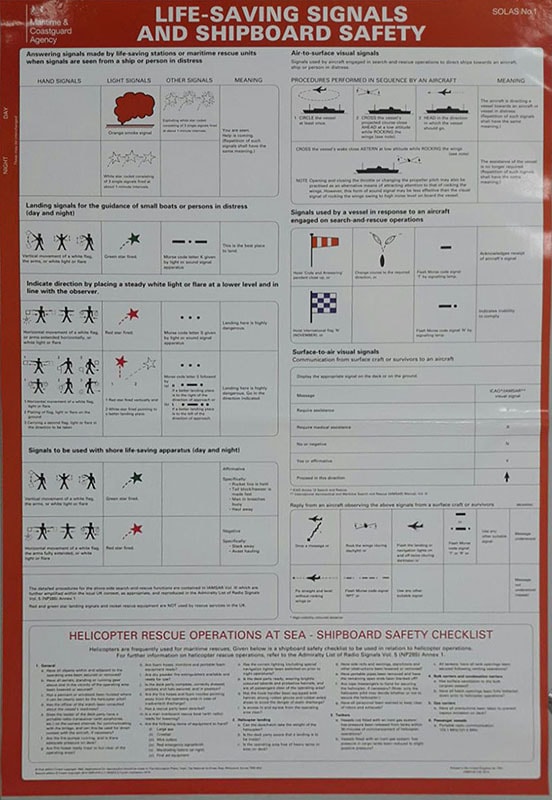
In order to prevent unwanted actions and disorganization in the process of evacuation, the SOLAS Convention introduced equal rules and guidelines which all signatory states must respect.
The muster list explains:
- putting on vests and suits
- moving around the ship and assembly
- boarding, lowering and the release of lifeboats
- lighting of rescue vessels
- survival equipment
- positioning the detection device
- communications
- first aid and medicines
- use of the engine
- lifting and fixating lifeboats
- danger of cold
- lifting by helicopters and leaving the vessel
- alert schedule and procedures
- repair instructions, etc.
Copies of the muster list are placed in transitory places on board, on the bridge, in the engine room, dwellings and restaurants, on notice boards and at reception. Muster lists are approved by the competent authorities such as Harbour Master's Office.
Leaving the ship
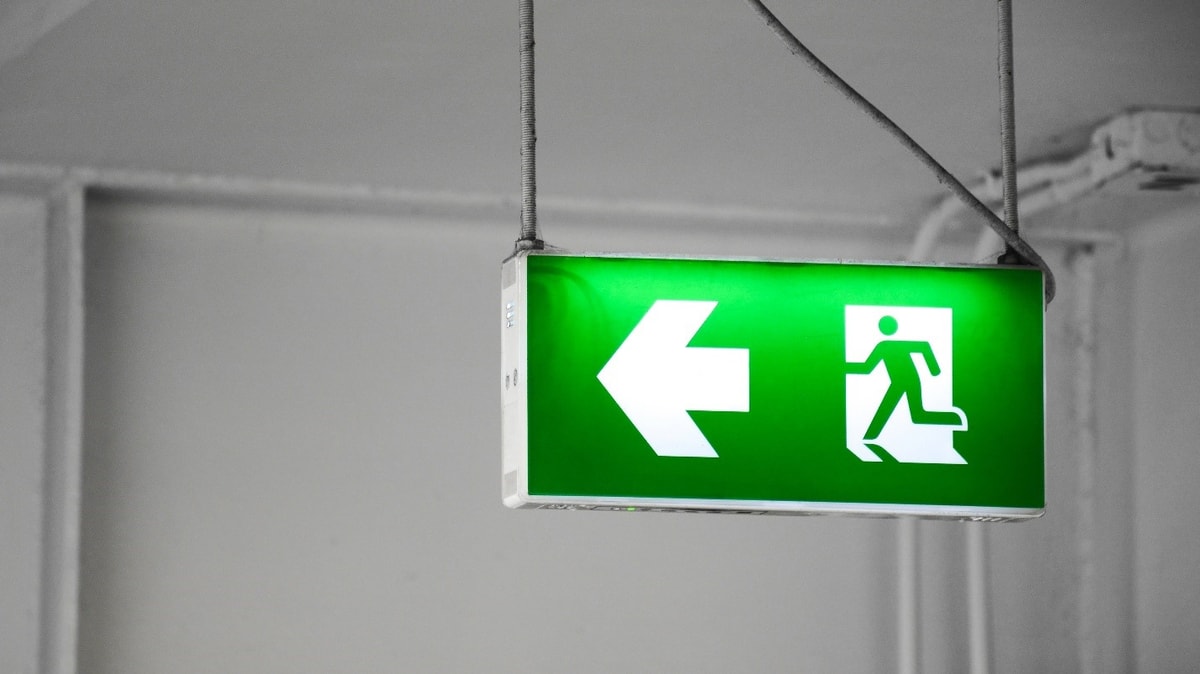
The decision of leaving the ship is made by the Master. Preparation depends on the number and condition of persons who quit the ship, the reasons for leaving, the time available, the method of evacuation, the type and condition of rescue appliances, the hydro-meteorological conditions and other possibilities. Two fundamental factors that determine the effectiveness in bearable conditions are available time and skill.
The length of time available cannot be affected, but the other factor certainly can, so it presents a key element of success of evacuation. Thus, a well-trained cargo ship crew is able to leave the ship in just minutes in adverse external conditions. It takes a little longer on cruise ships, due to a lack of training, greater number of people and other possible contingencies.
Good organization reduces the possibility of unreasonable behaviour of passengers or crew members. Each crew member and passenger has to be familiarized with the emergency schedules and life-saving appliances (boats, rafts, vests) immediately upon boarding. He has to know his duties and procedures (abandonment of a ship, fire and more).
One of the most important factors is the authoritative command of the lifeboat (commander and deputy), calming the upset and eliminating factors that can cause panic, chaos and the ability to control people and the situation in general.
After reducing the ship's speed (if possible) to a minimum and alerting the crew and passengers to leave, each person puts on warm clothing and fastens his lifejacket well. He then heads to the muster station. The proper dressing and preparation of passengers is supervised and verified by the responsible crew member.
The Master, his deputy and crew members prepare the boat: take off the moorings, remove the protective cover and movable cover, place the plugs on the rainwater collection holes, prepare the moorings and inform back to the ship's commander.
If there is a high likelihood of the ship sinking and there is still plenty of time to leave, additional supplies of fuel, water, food and other equipment should be loaded into the lifeboats. All of these things (for safe stability) can be poured/stored in larger containers (3/4 of volume/capacity), so they can be tied and left to float alongside the vessel.
Furthermore, it is good to lower all rescue boats and rafts, even if all capacities are not required. It is good to have them at your disposal, along with their equipment and reserve.
People in the sea
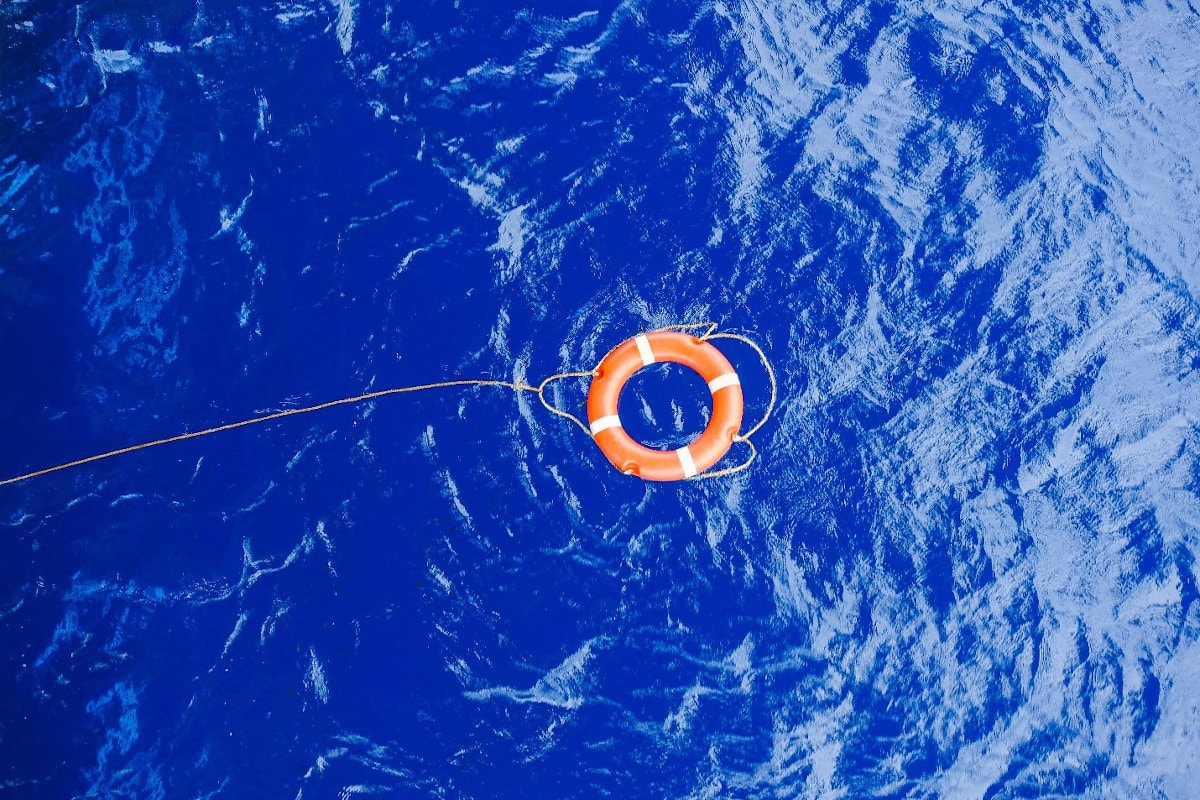
When leaving a vessel, the greatest danger for people is the effect of low temperatures on the internal body temperature. Lowering the body temperature to below 35° C is called hypothermia. Hypothermia is regularly present when a man suddenly finds himself in cold water. One should know that the body loses much more heat than it can produce, so it is necessary to store the heat and prevent losses.
Hypothermia is difficult to avoid, but it may be postponed, so when abandoning the ship a person should: wear more clothes, cover his/her head, neck, feet and hands (regardless of the temperature of water and air), put on an immersion suit (and if necessary, a lifejacket over it), avoid jumping into the water (because stress, pulse and breathing rhythm disorder, as well as drowning, may occur due to deep immersion), swim less, only to get to a vessel.
The clothes itself do not heat the body but retain a certain amount of air that is heated by the body, so this air provides thermal protection for it. If the air in the clothing is replaced by, for example, colder water, the temperature between the warmer body and the cooler water is equilibrated and the body cools.
If a risk of barracuda or shark attacks exists, one should climb on any kind of object in the water, keep the clothes on, observe carefully, swim slowly and avoid frantically throbbing the water.
The quickest and most effective way of heating up is a warm bath (about 40° C). Highly chilled persons should not be placed in warm baths, as their internal temperature may be reduced, which can cause their heart to tremble and even lead to death.
When removing sub-cooled persons from the sea, their bodies must be kept as horizontal as possible. This prevents the person from experiencing a heart attack - it may occur due to pressure changes and consequent effort that the heart must overcome. It is believed that a change in blood pressure immediately after withdrawal from water is one of the reasons for the high mortality (15 to 20%) of persons who have been exposed to hypothermia for a longer time.
If the body temperature drops to a value of 20 to 27° C, death occurs.