




Emergency situations
Addressing emergency situations
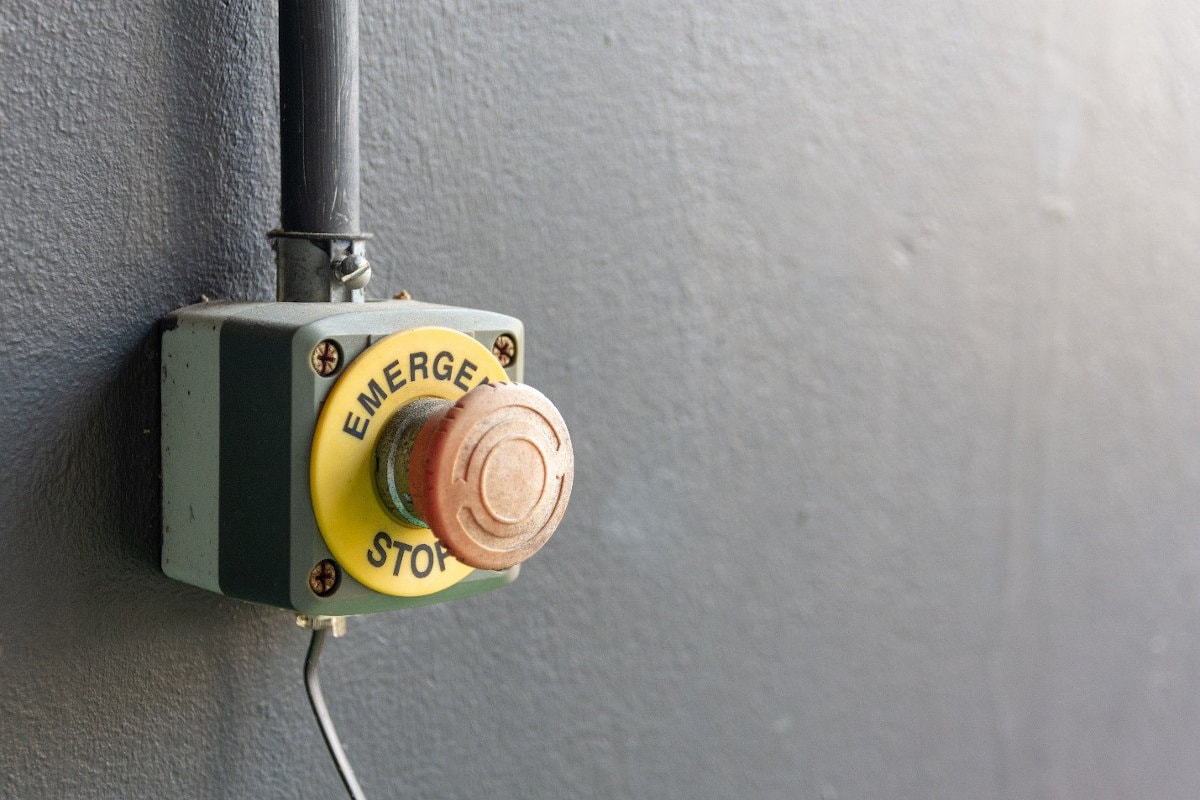
An emergency situation aboard a ship must be handled with confidence and calmness. Addressing emergency situations effectively can be achieved by continuous training and drills held onboard the vessel. Shipowners should set up regular safety inspections of all parts and areas of their ships by competent persons in appropriate intervals. The inspection should incorporate tools, equipment and machinery upon which the safety of the seafarers and other people onboard may depend.
When it comes to seafarers, first and foremost, they must be aware of the different types of emergency situations that can happen on board a ship. This helps in understanding the real scenario better, and leads to taking correct actions to save lives, property, and/or the environment.
Possible emergency situations
Some of the possible emergency situations include:
Flooding - actions to be taken include:
- Informing the Master
- Sounding the Emergency Stations signal
- Closing all watertight doors
- Slowing down/stopping the main engine(s)
- Mustering of the crew to damage control stations
- Preparing survival crafts and other lifesaving appliances for use, if needed
- Informing stakeholders and relevant authorities
Black-out - actions to be taken include:
- Informing the officer on bridge about the condition
- Calling the workforce and informing the chief engineer
- Bringing the fuel lever to zero position (if the main propulsion plant is running)
- Closing the feed of the running purifier to prevent overflow and fuel wastage
- Shutting the main steam stop valve to keep the steam pressure (if the auxiliary boiler was running)
Fire/explosion - actions to be taken include:
- Sounding the fire alarm
- Informing the Master
- Proceeding to the fire station
- Confirming the location of the fire
- Performing the duty listed in the muster list as per the team assigned
Shipping accident - actions to be taken include:
- Informing the Master and the Engine Room
- Stopping the engine
- Immediately sending a distress signal
- Recording important data (time of collision, name and IMO number of the vessel/s involved)
- Sounding the general emergency alarm
- Assessing the damage
- Taking sounding of all ballast fresh water and wing tanks
- Taking immediate action in case of ship damage
Illness or injury - actions to be taken include:
- Calling the members of the first aid team with appropriate equipment and the on-board Medical Officer
- Transporting the casualty to ship's hospital
- Consulting company communication and suitable international radio station manuals to plan for a possible Medivac
- Completing an accident report and keeping records
Oil or chemical accident - actions to be taken include:
- Closing the ship side scuppers
- Alarming the ship staff and contacting the duty officer on bridge and in the engine room
- Stopping all the transfer immediately and locating the effected tank
- Calling up the emergency muster by the master and carrying out the duties as listed in the muster list for oil spill