



Pollution Prevention and Response
Marine pollution prevention is a serious responsibility for everyone involved in the maritime or offshore industries. This course provides updated information and knowledge of various aspects of marine pollution and the ways and methods of its prevention. It covers pollution by discharge of oils and chemicals; dangerous goods, sewage and garbage; air pollution; ballast water management and sensitive sea areas.
Curriculum
Pollution Prevention
It is a confirmed fact that the maritime industry accumulates millions of tons of garbage from day-to-day activities throughout the years causing tremendous marine pollution.
Pollution by Discharge of Oils and Chemicals
Each year, around 2,900 million tonnes of crude oil and oil products is transported by tankers.
Dangerous Goods, Sewage and Garbage
In the shipping industry, dangerous goods can be anything that, if not handled with care, could cause harm to those handling them or to the environment.
Air Pollution
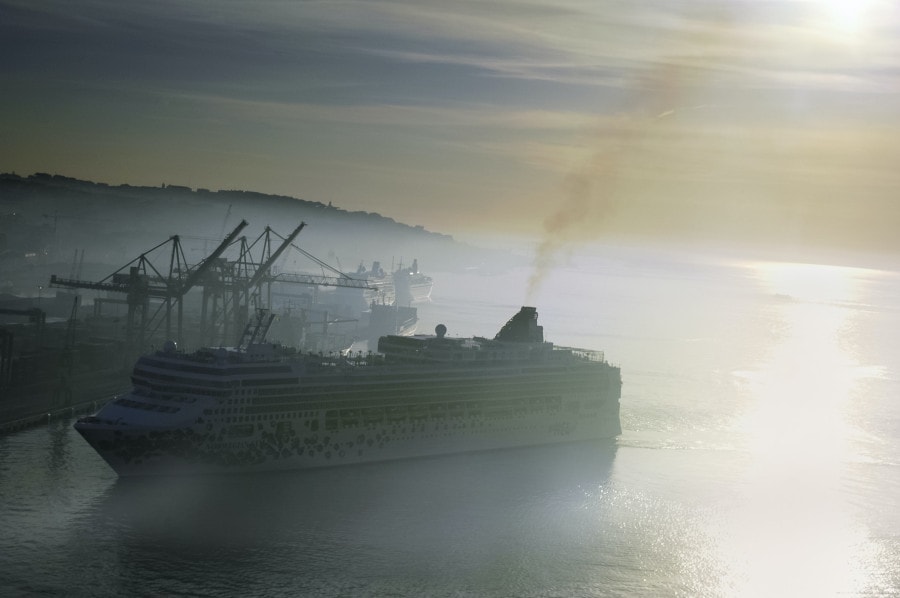
Commercial ships burn fuel for energy and, in doing so, emit several types of air pollutants as by-products.
Pollution Preparedness and Response
Prevention is the best response to pollution. Nevertheless, in spite of best efforts, ship-source spills still occur and, if not dealt with in a proper manner, can have serious consequences for both the environment and a company's business performance.
Ballast Water Management
In addition to the established vessel-source pollution, other issues—such as harmful aquatic organisms transported through ballast water and introduction of aquatic invasive species by bio-fouling—also have harmful effects on the world marine environment.
Special and Particularly Sensitive Sea Areas
MARPOL specifies certain sea areas as "special areas" in which, for technical reasons regarding their oceanographical and ecological condition and to their sea traffic, the adoption of special mandatory methods for the prevention of sea pollution is required.