




Ballast Water Management
Introduction
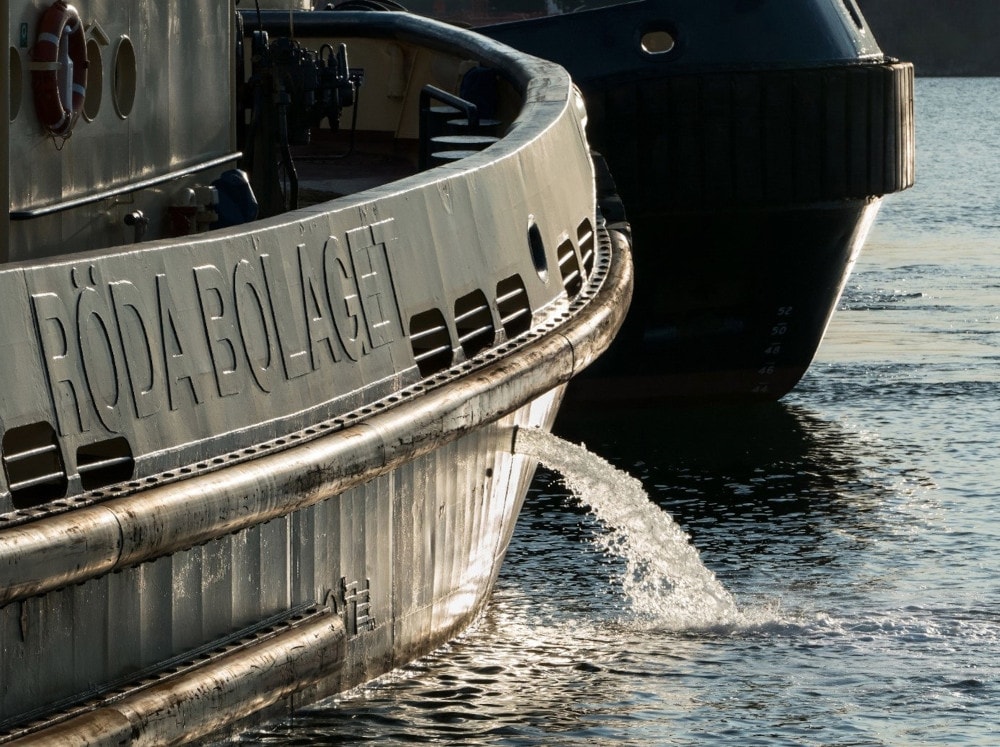
In addition to the established vessel-source pollution, other issues—such as harmful aquatic organisms transported through ballast water and introduction of aquatic invasive species by bio-fouling—also have harmful effects on the world marine environment. An unfavourable by-product of maritime transportation is the expansion of invasive aquatic species.
Also, throughout history, many pandemic vectors travelled from one country to another through this system.
Ships carry ballast water to maintain stability. Most ships discharge all or some of the ballast water after arriving in a port.
However, ballast water is not the only medium by which aquatic invasive species are transferred. Several studies have shown bio-fouling on ships is a notable means of transportation of invasive aquatic species which, if settled in new ecosystems, may pose threats to the environment, human health, property and assets.
Biofouling is the attachment of marine organisms to any part of a vessel - hulls, rudders, propellers, propeller shafts, other hull appendages mooring devices, anchor wells, cable lockers, cargo spaces, bilges, sea chests and pipe work.
Invasive Aquatic Species (IAS)
Invasive aquatic species are fish, invertebrate or plants that have been introduced into a different aquatic environment, outside of their natural habitat.
Once introduced, their populations can rapidly grow because due to the lack of natural predators in their new environment. Consequently, they can outmatch and harm native species. Such invasive species can even change their new habitats and make them hostile for the native species.
There are other aquatic species such as parasites, viruses, bacteria and other micro-organisms which can have the same devastating impacts in the aquatic environment.
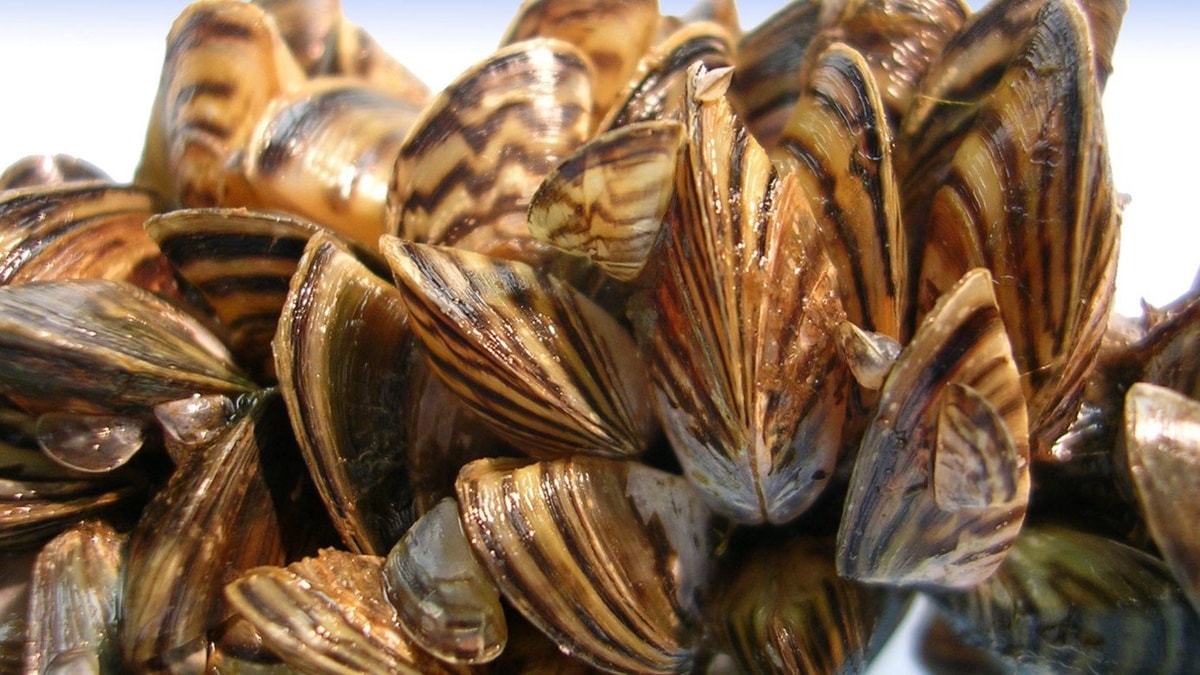
Zebra mussel
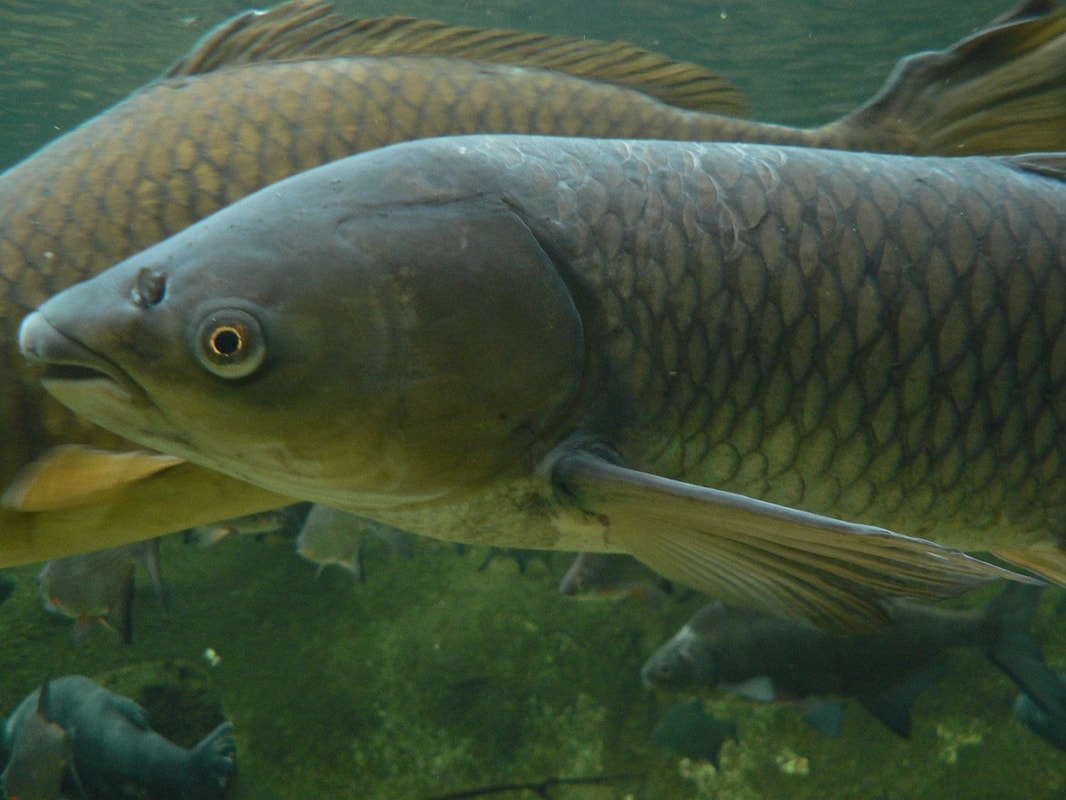
Grass carp
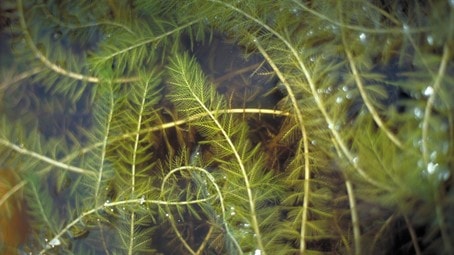
Northern watermilfoil
Sea lamprey
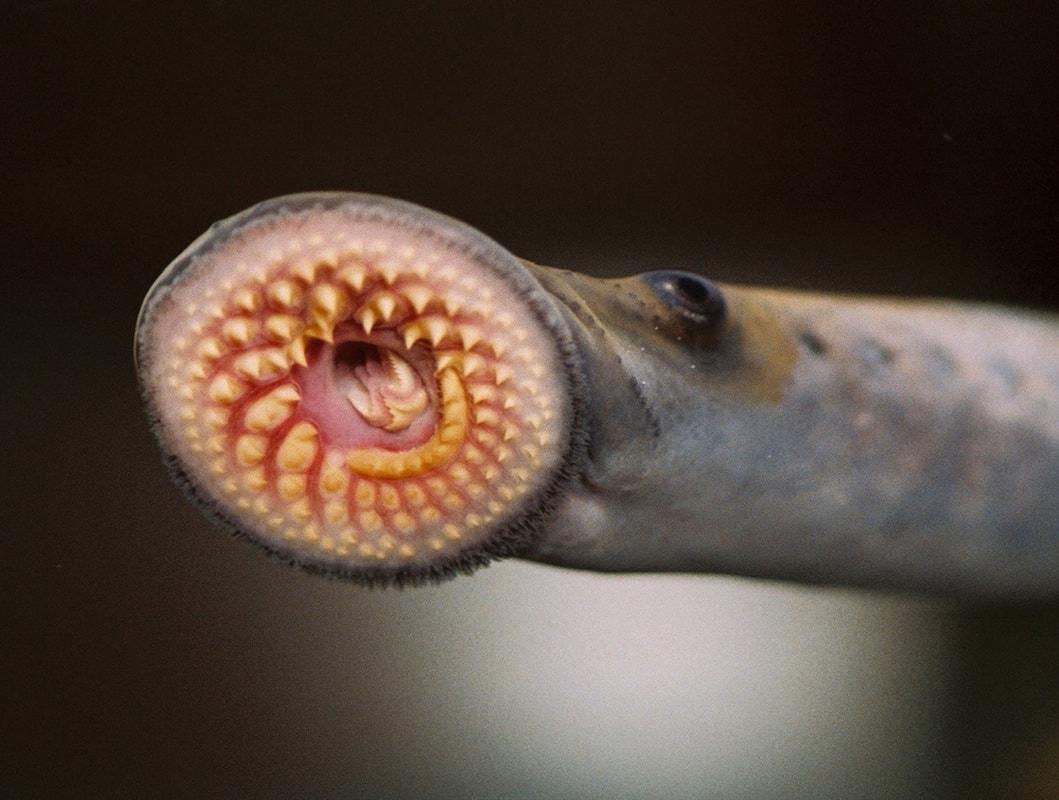
European green crab
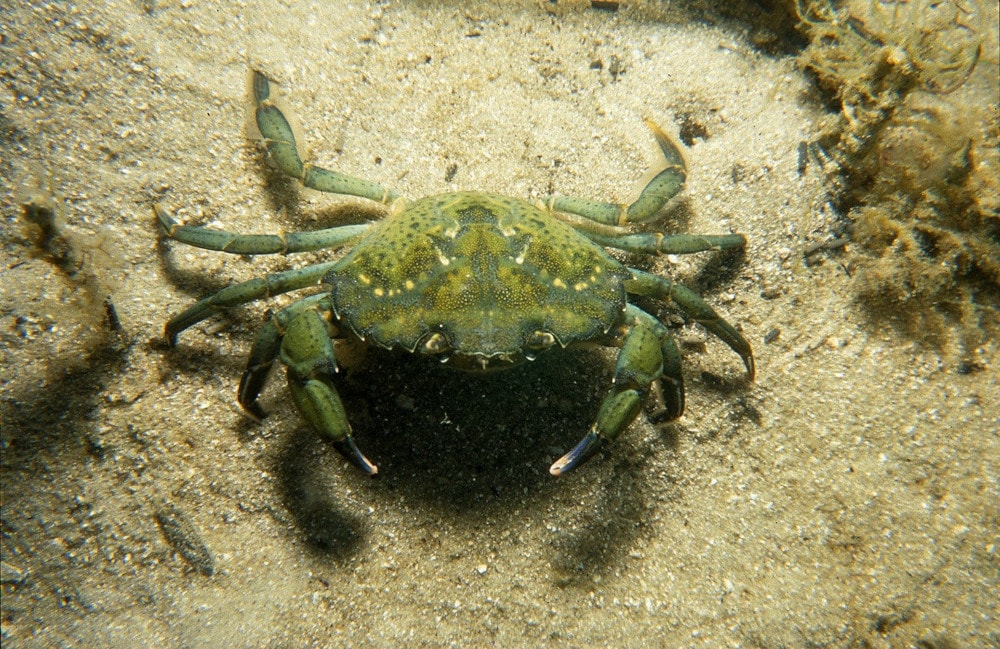
Smallmouth bass
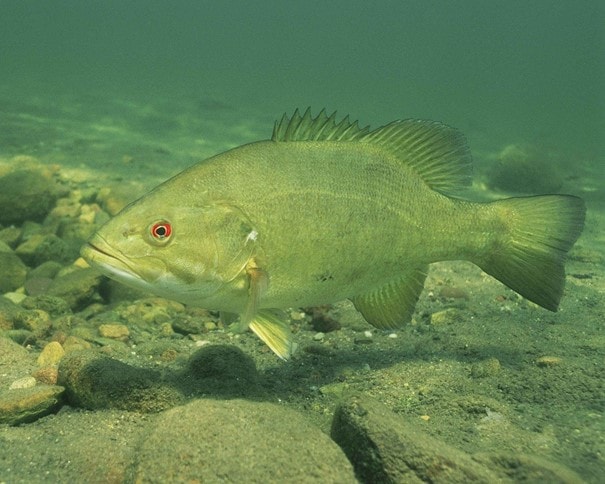
Management of Ship’s Ballast Water
The Ballast Water Management Convention, adopted in 2004, is designed to prevent the spread of harmful aquatic organisms from one area to another, by creating standards and procedures for the management and supervision of ships' ballast water and sediments.
Under the Convention, all vessels in international traffic are obliged to manage their ballast water and sediments to a particular standard, in accordance with the ship-specific ballast water management plan. Every ship has to keep a ballast water record book and hold an international ballast water management certificate¹. The ballast water management standards will be implemented in phases over a period of time. As a go-between solution, ships should exchange ballast water mid-ocean. Nevertheless, in the end, most ships will have to install an on-board ballast water treatment system.
[1] IMO, International Convention for the Control and Management of Ships' Ballast Water and Sediments (BWM) (Retrieved January 30, 2021)