




Pollution Preparedness and Response
Introduction – the OPRC Convention
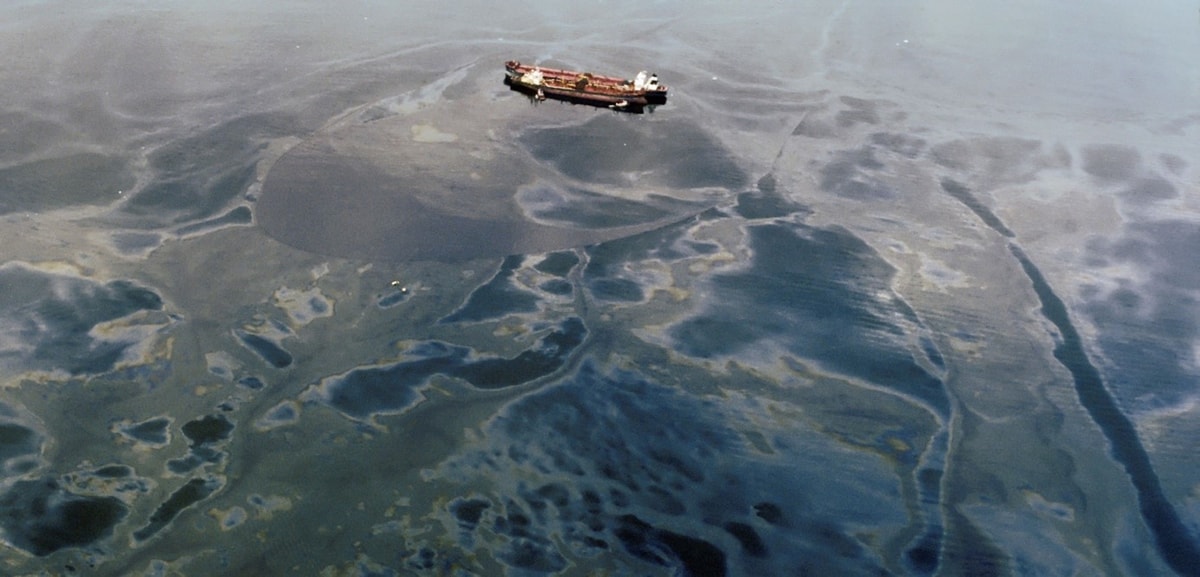
Prevention is the best response to pollution. Nevertheless, in spite of best efforts, ship-source spills still occur and, if not dealt with in a proper manner, can have serious consequences for both the environment and a company's business performance. Knowing what to do and responding quickly in such situations is crucial when it comes to diminishing potential community and environmental impacts.
The International Convention on Oil Pollution Preparedness, Response and Co-Operation (OPRC Convention) was adopted in 1990 for preparedness, response and co-operation on oil pollution. According to OPRC, State parties have to establish measures for dealing with pollution incidents, either nationally or in co-operation with other countries.
The State parties to the OPRC Convention must have a National Oil Pollution Contingency Plan (NOPCP). Additionally, they must instruct their ships to carry a Shipboard Oil Pollution Emergency Plan. Offshore units operating within State parties’ area of authority must develop an Oil Pollution Emergency Plan which is coordinated with its NOPCP. Parties to this Convention must also make sure that sea ports or handling facilities within their jurisdiction are adequately equipped with a contingency plan and required facilities to implement the plan whenever needed. In the events of pollution incidents, ships must report to the coastal authority at once. The parties to this Convention must also commit to assist each other in an event of an oil pollution emergency. In 2000, through the adoption of a Protocol, the scope of the Convention was broadened to include hazardous noxious substances other than oil.
Preparing for Marine Pollution Incidents
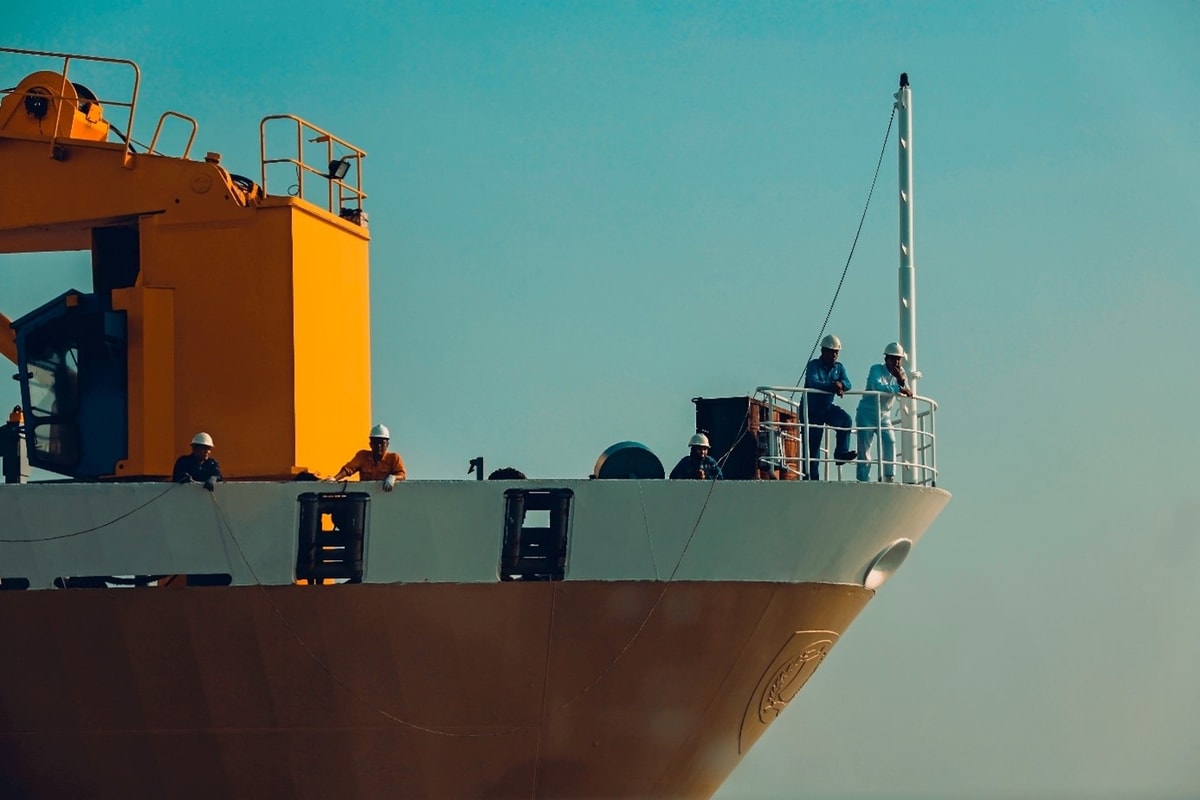
Preparing for all possible events that might arise from a marine pollution occurrence requires careful consideration and planning. Eventuality planning is fundamental to establishing the readiness and response systems laid down as a requirement under the OPRC 90 and OPRC-HNS Protocol.
In order to be efficient, contingency planning must be a steady process that develops and readjusts to address the changing risks that stem from shipping, offshore exploration, production and handling. The efficiency of a response is determined by preparedness and capabilities of those involved to initiate unambiguous emergency responses and management assignments. At the very least this requires appointment of roles and responsibilities, explanation of response strategies and procedures that should be followed in case of an incident, as well as training which provides the necessary knowledge and skills. The planning process needs to support decision makers throughout all phases of a response, whether in carrying out the most appropriate response strategy, enabling the mobilisation and effective use of machinery and resources, as well as controlling the consequences and effects of an incident.
Responding to Marine Pollution Incidents
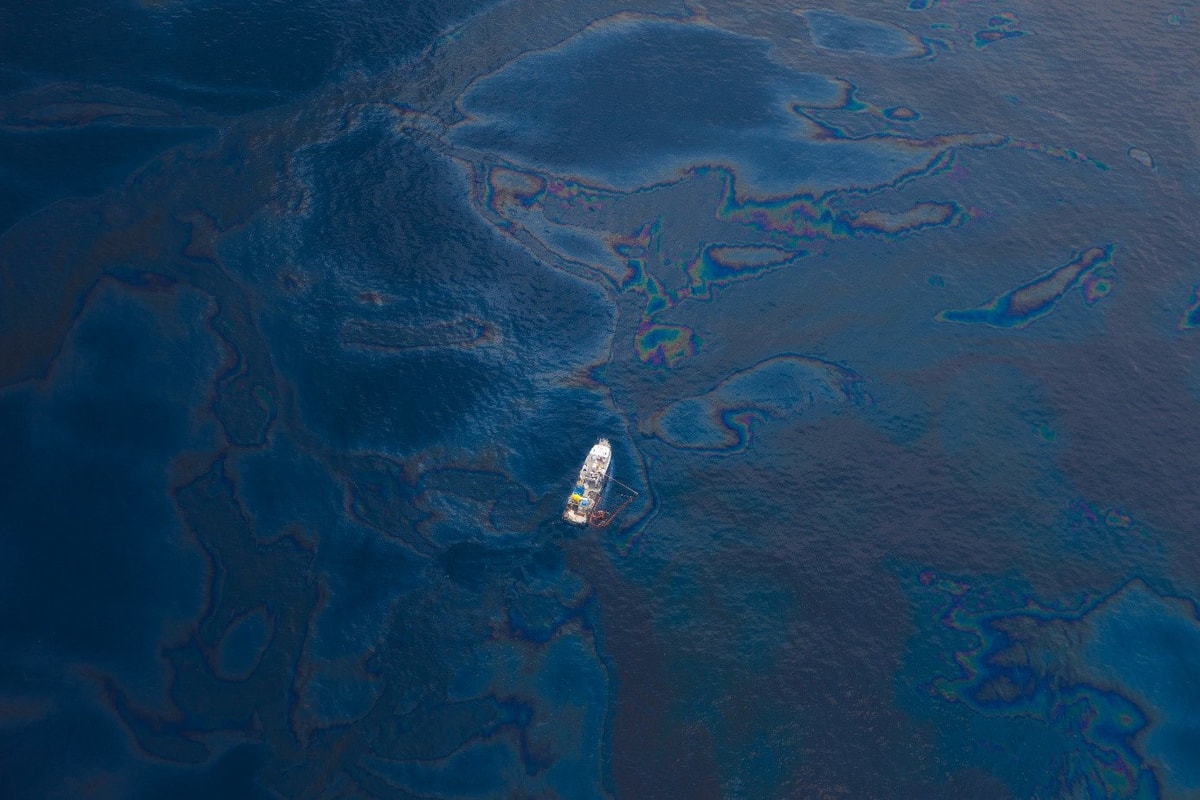
Responding to marine pollution incidents is an extremely technical task, which requires specialized knowledge and expertise, along with dedicated equipment and gear fit for that particular purpose. The OPRC 90 and OPRC-HNS Protocol 2000 conjointly set out the intercontinental legal framework and standards for oil and HNS pollution preparedness and response.
Intervention Convention
After the Torrey Canyon disaster of 1967, in order to avoid serious pollution to the United Kingdom (UK) coast, the UK government gave out the order to bomb the wreck and destroy any remaining oil by fire. At that time, this action was contrary to the international law, and the debate that followed led to the adoption of the Intervention Convention in 1969.
The Convention gives a right to the coastal State “to take such measures on the high seas as may be necessary to prevent, mitigate or eliminate danger to its coastline or related interests from pollution by oil or the threat thereof, following upon a maritime casualty”¹.
The Convention provides a restricted right on coastal States as long as they consult with flag States, the owner of the ship and the owner of the cargo. Furthermore, coastal States must prove there is a ‘grave necessity’ to intervene. Any illegal intervention will be liable for compensation. A Protocol, adopted in 1973, expanded the scope of this Convention to include substances other than oil.
[1] Intervention Convention, Art. 1.