


Dangerous Goods, Sewage and Garbage
Dangerous Goods
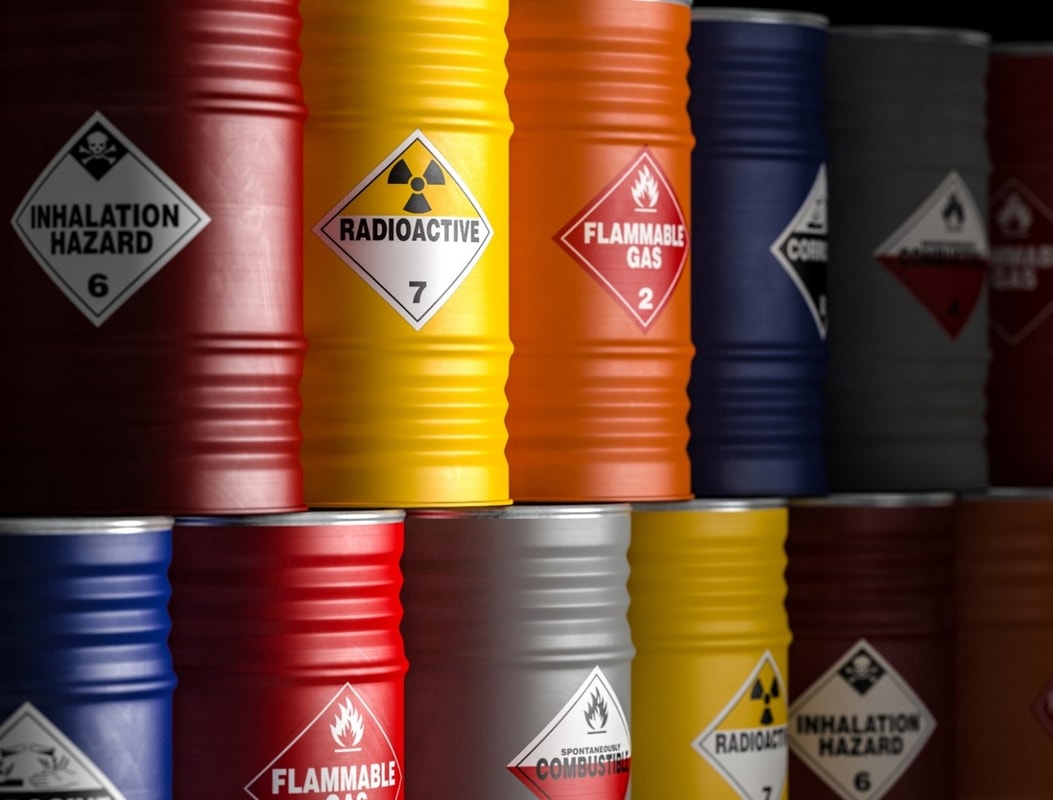
In the shipping industry, dangerous goods can be anything that, if not handled with care, could cause harm to those handling them or to the environment.
The revised MARPOL Annex-III addresses prevention of pollution by harmful substances in packaged form. It describes harmful substances as those that are identified as marine pollutants in the IMDG (International Maritime Dangerous Goods) Code or which meet the criteria listed in the Appendix of Annex-III.
The Annex clarifies: accepted requirements and standards on packing; marking and labelling; documentation; stowage; quantity limitations; and port State control on operational requirements for preventing pollution by harmful substances. It also bans jettisoning of harmful substances, except when it is absolutely necessary for securing the safety of the ship or saving life at sea.
Sewage
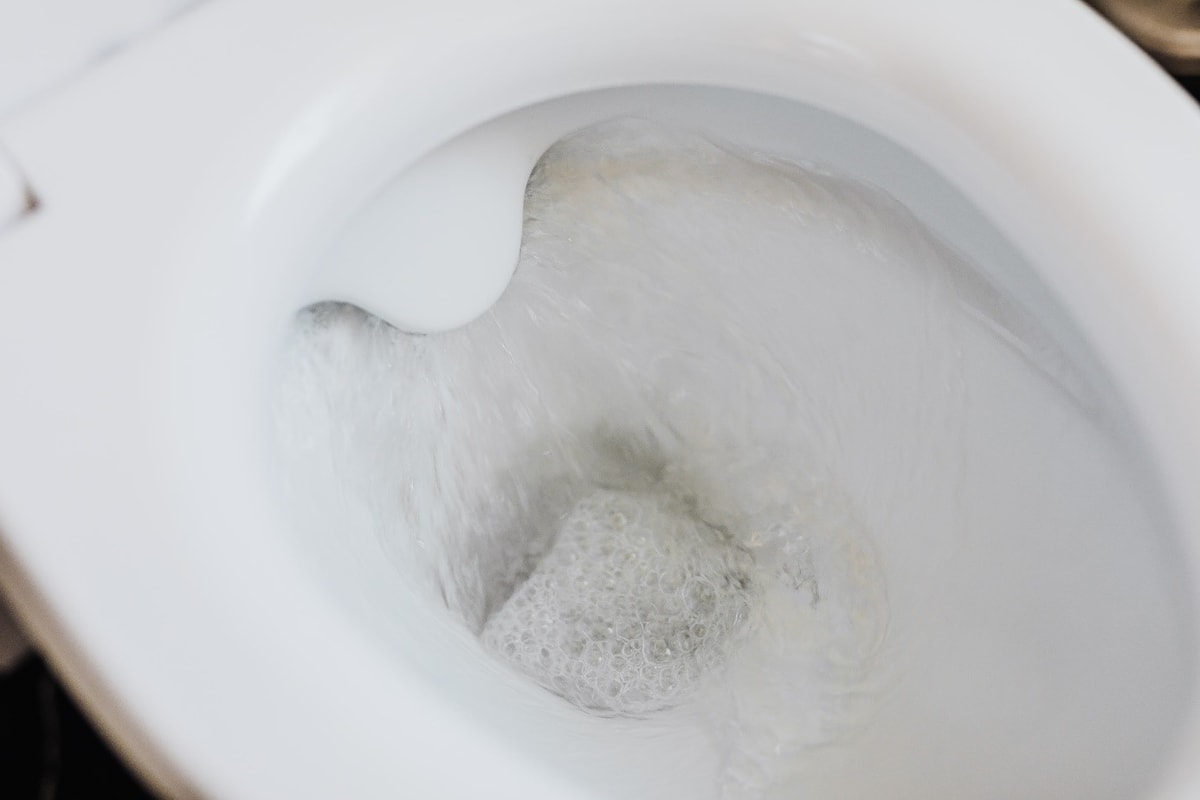
The discharge of raw sewage into the sea can create serious health hazards. It can also lead to oxygen depletion or become an obvious visual pollutant in coastal areas – which is not only a health hazard, but also a sizable problem for countries that rely on tourist industries.
Even though the main sources of human-produced waste are land-based, we mustn’t ignore the fact that the ships’ discharge of sewage directly into the sea also contributes to marine pollution.
Annex-IV of the MARPOL Convention discusses the requirements for the prevention of pollution by sewage from ships.
When it comes to ships of 400 gross tonnage and above or ships certified to carry more than 15 passengers, this Annex demands that they have one of the following three systems: a sewage treatment plant; a sewage commuting and disinfecting system for the temporary depository of sewage when the ship is less than three nautical miles from land; or a holding tank.
The Annex also proscribes a discharge standard which every ship must follow.
Garbage
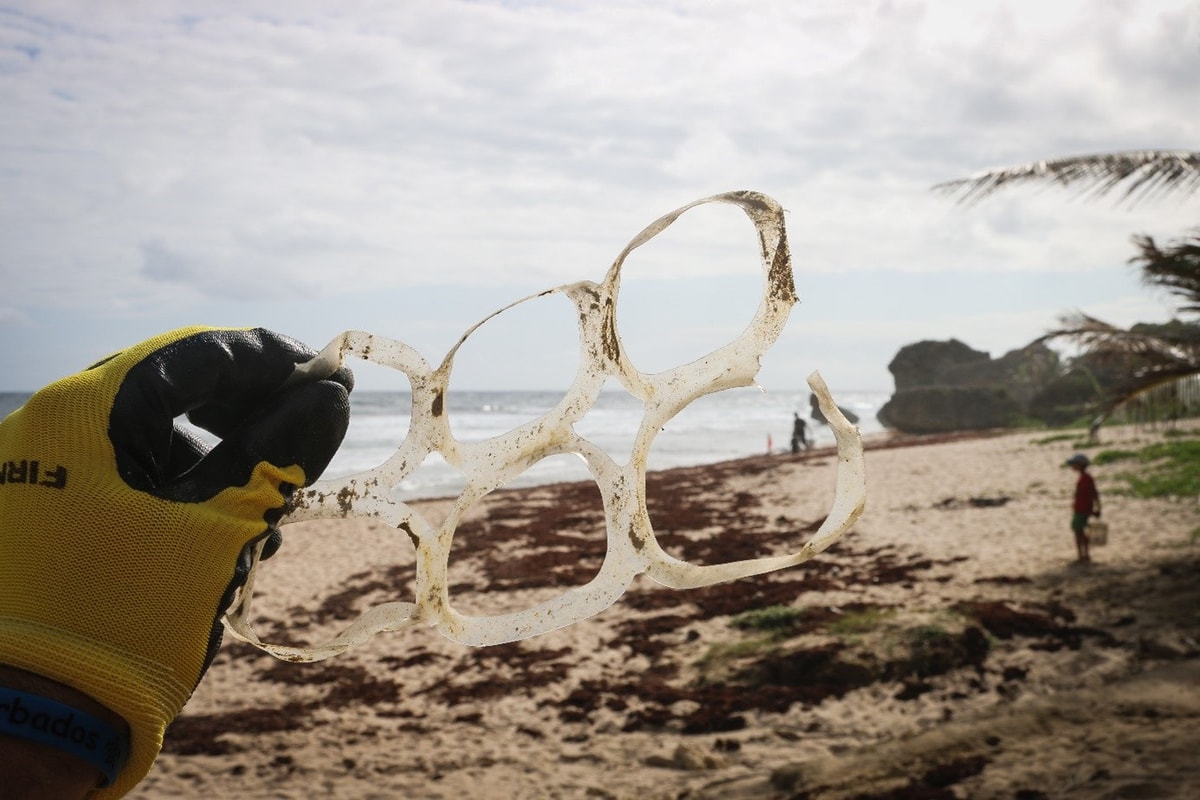
Garbage from ships can be just as lethal to marine life as oil or chemicals.
The biggest danger comes from plastic. Fish and aquatic mammals often mistake plastics for food or get trapped in plastic ropes, nets, bags and other items such as as the plastic rings used for holding cans.
Annex-V of the MARPOL Convention discusses marine pollution by garbage from ships. It generally bans the discharge of garbage into the sea, with a few exceptions.
The Annex completely prohibits the dumping of all types of plastic in the sea except under special circumstances, such as necessity for the safety of the ship, saving lives or the accidental loss of garbage as a result of ship damage.