




Pollution by Discharge of Oils and Chemicals
Oil Pollution
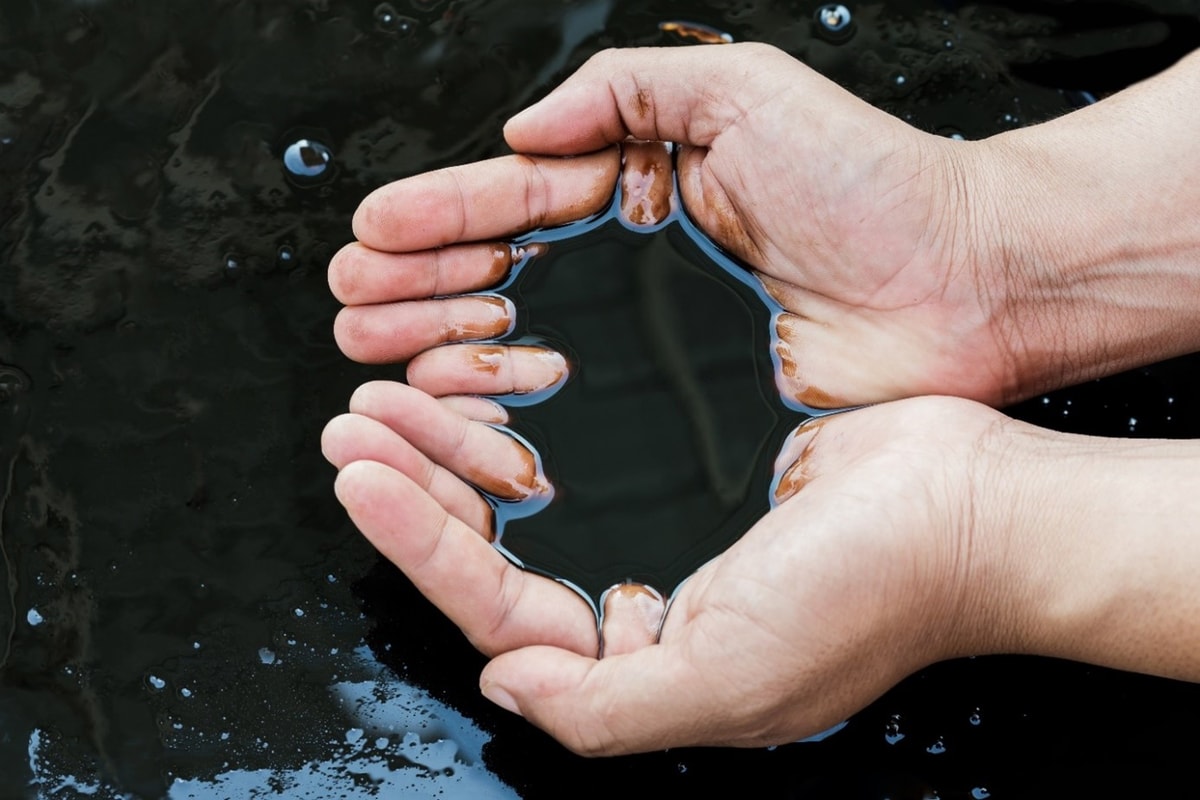
Each year, around 2,900 million tonnes of crude oil and oil products is transported by tankers. Pollution by discharge of oil is a large-scale source of marine pollution from vessels. In fact, extensive oil spills from tankers are highly responsible for the introduction of many of the current IMO regulations regarding marine environmental protection.
These regulations help ensure that oil tankers are being bult and operated safely and are nowadays constructed to reduce the amount of oil spilled in case of an accident. Operational pollution, like the one coming from routine tank cleaning operations, has also been reduced.
Both the operational and construction requirements and procedures introduced by MARPOL have had a favourable outcome, and statistics from trustworthy industry and independent bodies show that these regulations, alongside with other safety-related regulations have contributed greatly to the continuous decline of unintended oil pollution that has taken place over the last three decades.
In 1983, the MARPOL convention introduced several radical new concepts, such as a requirement for new oil tankers to be equipped with segregated ballast tanks, which eliminates the need to carry ballast water in cargo tanks. This was outmoded by the requirement for oil tankers delivered from 1996 onwards to be equipped with a double hull. The protection of the marine environment was thus greatly enhanced.
When it comes to operational oil pollution, the numerous modifications introduced by MARPOL on acceptable discharges of bilge water through the oily water separator (with the well-known 15ppm standard), or oily waters from the cargo tanks, through the oil discharge and monitoring system, have contributed considerably to a notable decrease in the pollution of the world’s seas¹.
[1] IMO. MARPOL Annex I – Prevention of Pollution by Oil (Retrieved January 26, 2021)
Chemical Pollution
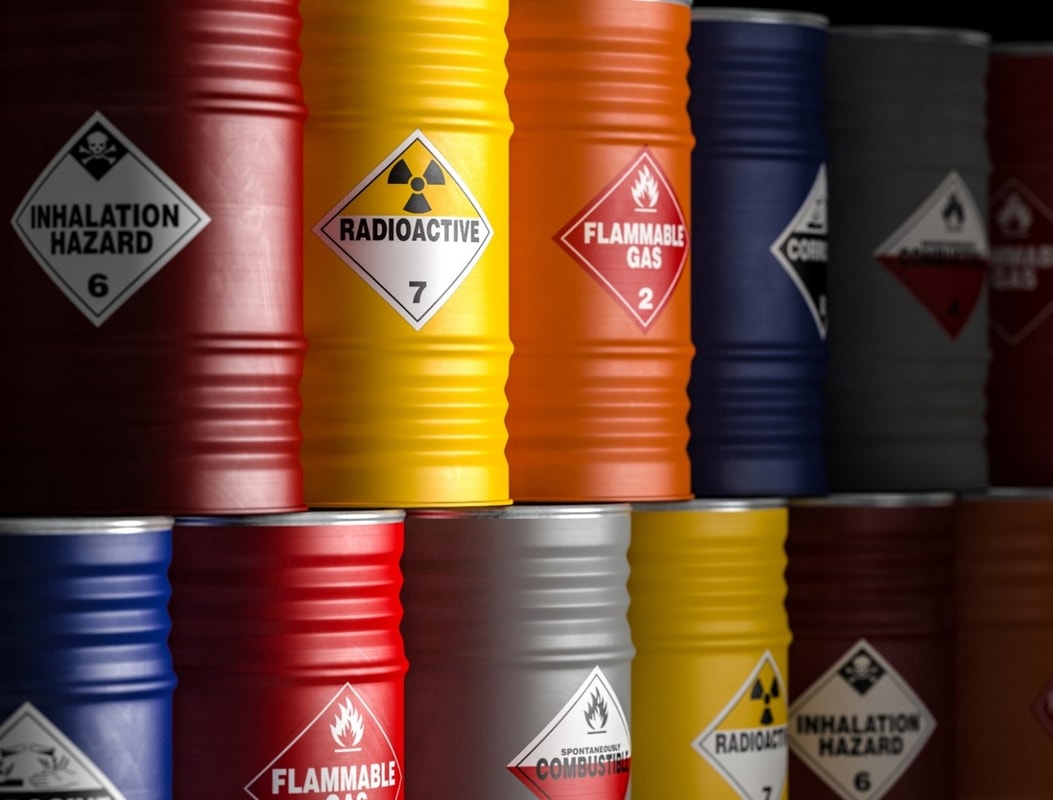
Three general categories of chemicals are of particular concern in the marine environment: oil, toxic metals and persistent organic pollutants. Regulations governing the carriage of chemicals by ship are contained in both the SOLAS and MARPOL Conventions.
Chemicals carried in bulk
Both Conventions require chemical tankers built after 1 July 1986 to comply with the International Bulk Chemical Code (IBC Code), which sets out the international standards for the safe carriage, in bulk by sea, of dangerous chemicals and noxious liquid substances.
Chemical tankers constructed before 1 July 1986 should comply with the requirements of the Code for the Construction and Equipment of Ships Carrying Dangerous Chemicals in Bulk (BCH Code) – the predecessor of the IBC Code.
Carriage of noxious liquid substances in bulk
MARPOL Annex II Regulations for the control of pollution by noxious liquid substances in bulk sets out a pollution categorization system for noxious and liquid substances. The four categories are:
- Category X: Noxious Liquid Substances which, if discharged into the sea from tank cleaning or deballasting operations, are deemed to present a major hazard to either marine resources or human health and, therefore, justify the prohibition of the discharge into the marine environment;
- Category Y: Noxious Liquid Substances which, if discharged into the sea from tank cleaning or deballasting operations, are deemed to present a hazard to either marine resources or human health or cause harm to amenities or other legitimate uses of the sea and therefore justify a limitation on the quality and quantity of the discharge into the marine environment;
- Category Z: Noxious Liquid Substances which, if discharged into the sea from tank cleaning or deballasting operations, are deemed to present a minor hazard to either marine resources or human health and therefore justify less stringent restrictions on the quality and quantity of the discharge into the marine environment; and
- Other Substances: substances which have been evaluated and found to fall outside Category X, Y or Z because they are considered to present no harm to marine resources, human health, amenities or other legitimate uses of the sea when discharged into the sea from tank cleaning of deballasting operations. The discharge of bilge or ballast water or other residues or mixtures containing these substances are not subject to any requirements of MARPOL Annex II.
The annex also includes a number of other requirements reflecting modern stripping techniques, which specify discharge levels for products which have been incorporated into Annex II. For ships constructed on or after 1 January 2007 the maximum permitted residue in the tank and its associated piping left after discharge is set at a maximum of 75 litres for products in categories X, Y and Z (compared with previous limits which set a maximum of 100 or 300 litres, depending on the product category).
Chemicals carried in packaged form
Chemicals which are carried in packaged form, in solid form or in bulk are regulated by Part A of SOLAS Chapter VII - Carriage of dangerous goods, which includes provisions for the classification, packing, marking, labelling and placarding, documentation and stowage of dangerous goods.
MARPOL Annex III also sets out regulations for the prevention of pollution by harmful substances in packaged form.
Both SOLAS and MARPOL refer to the International Maritime Dangerous Goods (IMDG) Code, which was developed by IMO as a uniform international code for the transport of dangerous goods by sea.
[1] IMO. Carriage of chemicals by ship (Retrieved January 26, 2021)