Safety Protocols in Maritime: Lessons from Seasoned Seafarers
It wouldn’t be an overstatement to say that the maritime industry is the backbone of almost all industries worldwide. After all, it is the lifeline of global trade and economy.
It wouldn’t be an overstatement to say that the maritime industry is the backbone of almost all industries worldwide. After all, it is the lifeline of global trade and economy.

A paradigm shift is becoming more evident in today’s maritime industry. With decarbonization and digitalization now in full force, the sector has no choice but to operate in a constantly changing environment.
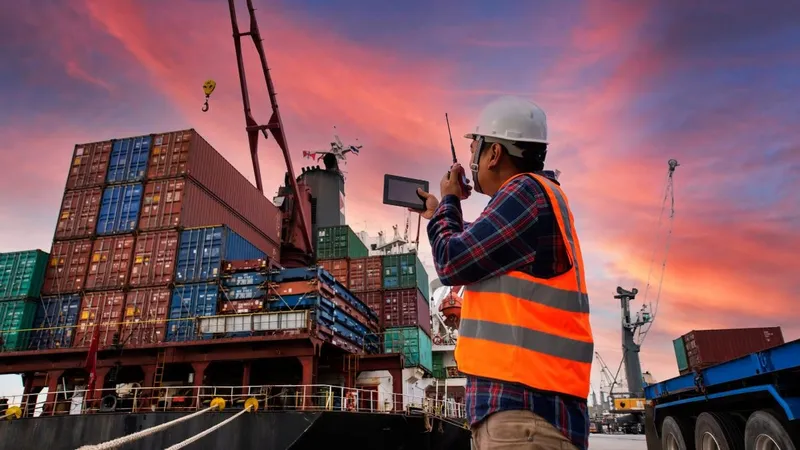
Maritime operations can be very complex, requiring the perfect balance of procedures, technology, and human expertise.

Good communication should always be your top priority while at sea. Working away from your family and loved ones is never easy but equally challenging for those left at home.
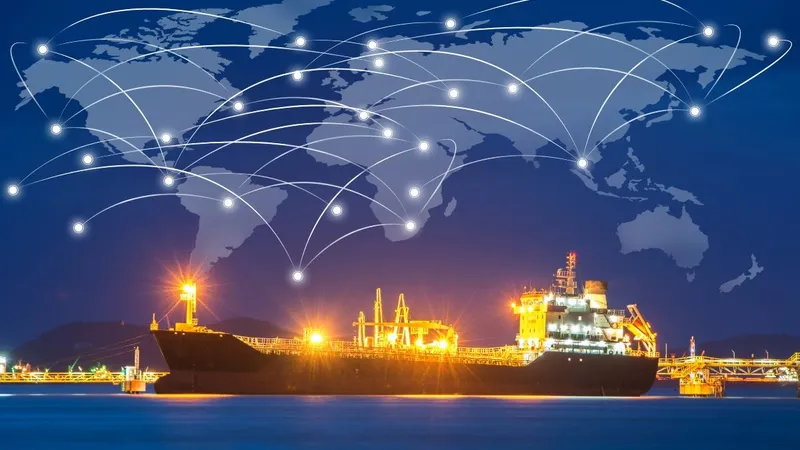
As the modern maritime industry becomes highly digitalized, the ship tracker is one of the vital leading technologies expected to be installed on passenger carriers, cargo ships, fishing boats, and virtually all vessel types, sizes, and shapes.

The past twenty years have seen the continuous adaptation of AI or artificial intelligence in the processes of businesses and organizations worldwide.

The maritime industry is one of the major sectors worldwide. A World Bank article noted that maritime operations make up 80% of the total volume of all world trade.
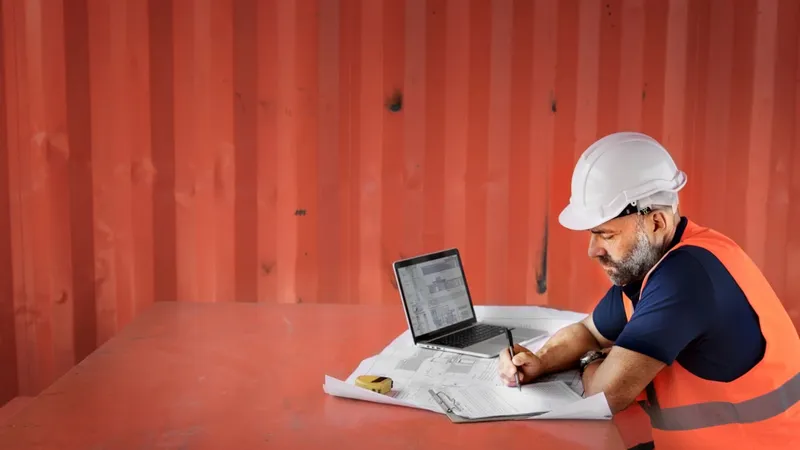
The global economy supports today’s society. And it’s all thanks to shipping that the global economy manages to function and stay afloat. Shipping caters to international trade as it carries large quantities of cargo worldwide cleanly, safely, and cost-effectively.

If you often go on long-term sea voyages as part of your job, you probably already know how stressful life onboard can get.
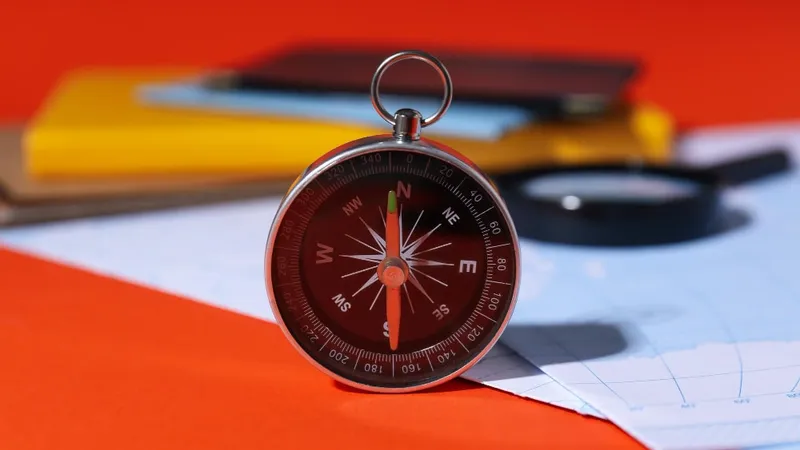
COLREGS are navigation rules you must know if you plan to sail soon. Of course, no one can blame you if you haven’t heard of these rules, especially if you’re a beginner in boating.

Artificial intelligence in the maritime industry is a testament to how numerous sectors are starting to embrace modern technology to streamline and advance their operations further.

General AI or artificial intelligence is expected to become a reality by 2060. If that time comes, AI will be able to learn how to carry out new tasks that don’t have anything to do with what it currently knows.