
Every crew member on a merchant ship has specific duties written into their contract, defined by STCW certification requirements, and shaped by the vessel's daily operational needs. Those duties—not just titles—determine how a ship functions safely at sea. Understanding what each role actually does matters whether you're considering a seafaring career, researching maritime operations, or simply trying to understand who's responsible when something goes wrong.
The maritime industry carries approximately 90 percent of the world's trade, and that depends on each crew member executing their defined responsibilities reliably.
Ship Crew Structure Overview
A ship's crew is divided into two primary departments: the deck department and the engine department. On passenger vessels, a hospitality or service department is added. Crew size varies by vessel type: a container ship may carry 20–25 crew, while a cruise ship operates with hundreds or thousands of staff.
For a comprehensive look at how ships are organized by rank and seniority, see our guide to ship hierarchies, ranks, and roles.
Deck Department Duties
The deck department handles navigation, cargo operations, and vessel safety.
Captain (Master)
The captain holds ultimate authority over the vessel. Every decision about navigation, crew management, cargo, and emergency response runs through the master. The captain is legally responsible for the safety of the ship, crew, and cargo under international maritime law.
Chief Officer (First Mate)
The chief officer is second in command. Responsibilities include managing the deck crew, overseeing cargo planning and stability calculations, maintaining safety equipment, and conducting emergency drills. The chief officer directly manages cargo loading and ensures IMO safety compliance.
Second Officer
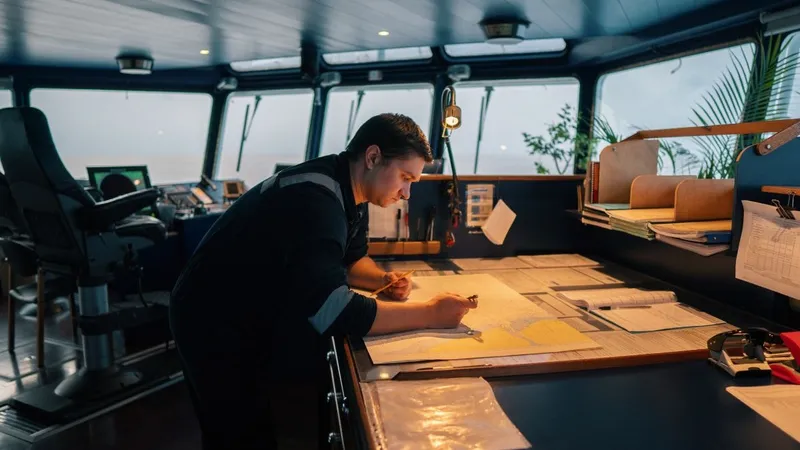
The second officer typically serves as the navigation officer, responsible for maintaining the ship's charts, ECDIS systems, and voyage planning. They also oversee medical supplies and first aid on many vessels.
Third Officer
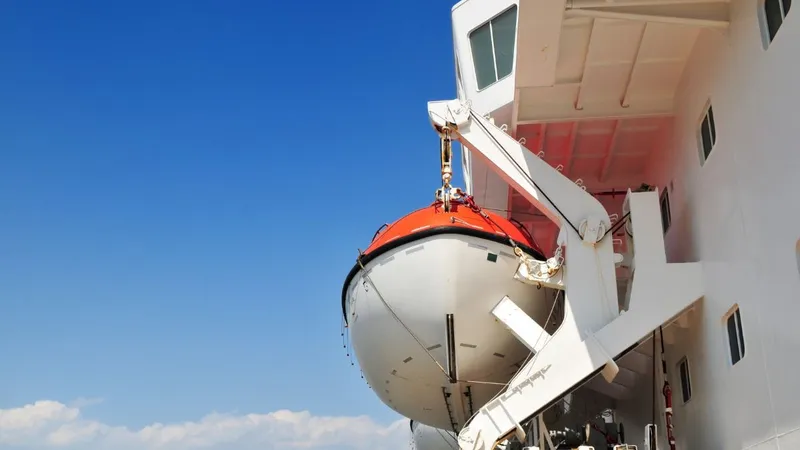
The third officer handles safety equipment inspection and maintenance, including lifeboats, life jackets, firefighting systems, and emergency signaling devices. They assist with watchkeeping and navigation under the chief officer's direction.
Bosun (Boatswain)
The bosun is the senior non-officer deck crew member. They supervise deckhands, coordinate maintenance work, manage deck equipment, and serve as the practical link between officers and ratings. The bosun sets the daily work schedule for the deck crew.
Able Seaman (AB) and Ordinary Seaman (OS)
Deckhands carry out maintenance, cleaning, painting, cargo handling, and mooring operations. Able Seamen hold STCW certification and can stand navigational watch; Ordinary Seamen are typically entry-level ratings working toward AB certification.
Engine Department Duties
The engine department keeps the ship's propulsion and mechanical systems running.
Chief Engineer
The chief engineer manages all engineering operations aboard the vessel. They are responsible for the main engine, auxiliary systems, fuel and lubrication management, and the entire engine room team. The chief engineer reports directly to the captain.
Second Engineer
The second engineer is the chief engineer's deputy, directly overseeing day-to-day machinery operations, maintenance schedules, and repair work. In practice, the second engineer runs the engine room on a daily basis.
Third and Fourth Engineers
These officers manage specific machinery systems: boilers, generators, pumps, and hydraulics. They stand engine watches and handle scheduled maintenance tasks under the second engineer's supervision.
Electrician
The ship's electrician maintains all electrical systems: navigation instruments, communication equipment, power distribution, and lighting. Modern ships carry increasing amounts of electronic equipment, making this role more important than ever.
Oiler and Wiper
Oilers assist engineers with machinery operation and maintenance. Wipers are engine room ratings responsible for general cleaning and basic maintenance tasks, an entry-level engine room position.
Safety and Emergency Responsibilities
Regardless of department, every crew member has defined emergency duties. These include:
- Muster stations: Each crew member is assigned a muster station and emergency role (firefighting team, abandon ship party, rescue boat crew).
- Safety drills: SOLAS regulations require regular fire drills, abandon ship drills, and man-overboard drills.
- Safety equipment maintenance: Crew members in each department are responsible for inspecting and maintaining the safety equipment assigned to them.
Navigation and Watchkeeping
Officers on deck maintain a continuous navigational watch at sea. This means monitoring radar, AIS, weather routing, and communications, ensuring the ship follows its planned route safely. Tools like AIS vessel tracking are central to modern watchkeeping, giving officers real-time data on nearby traffic.
Cargo Operations
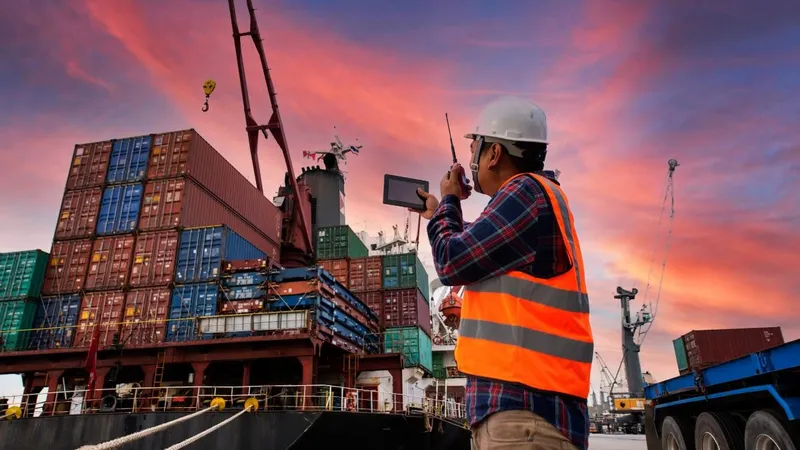
Loading and unloading cargo involves coordination between the chief officer (who plans cargo stowage for stability), the bosun (who supervises deck crew during operations), and shore stevedores. On tankers and bulk carriers, specific officers hold additional certifications for dangerous cargo operations.
Qualifications and Certifications
All seafarers must hold STCW certification at the appropriate level for their role. Officers require marine licenses issued by their flag state. Ongoing training is mandatory: crew must renew STCW certificates, conduct proficiency refreshers, and complete vessel-specific familiarization for every new ship they join. Primo Nautic's blog covers the seaman's book and other key documents every seafarer needs.
Career Development
Entry-level ratings can progress through AB certification, then obtain officer cadet sponsorship to work toward a full officer license. The path from ordinary seaman to chief officer typically takes 8–12 years of combined sea service and shore-based training. The industry has consistent demand for qualified officers, making career advancement relatively predictable for those who commit to the certification pathway.