
So, you’ve got the date for your first-ever sea voyage! Congratulations! This is now the beginning of another chapter in your life.
But just like anything else, doing something for the first time always comes with a few jitters. After all, joining a ship is challenging, so novice seafarers need to know exactly what to do.
Here are some helpful tips on preparing for your first voyage at sea to ensure that you’re fully ready to test the waters.
Medicines and Clothes
Most newbie seafarers need clarification and help with the clothes they should carry when boarding a ship. Many of them end up packing clothes that aren’t even necessary. The following is an exhaustive list of essential garments you should have with you on your first voyage:
- 5 to 6 T-shirts
- 2 to 3 shirts
- 1 to 2 formal shirts
- 1 to 2 sweatshirts or jackets
- 2 to 3 casual trousers or jeans
- 1 to 2 pairs of formal pants
- 2 to 3 pajamas
- 3 to 4 pairs of shorts
- 6 to 8 pieces of underwear
- 10 to 12 pairs of socks
- 3 to 5 handkerchiefs
- 1 to 2 towels
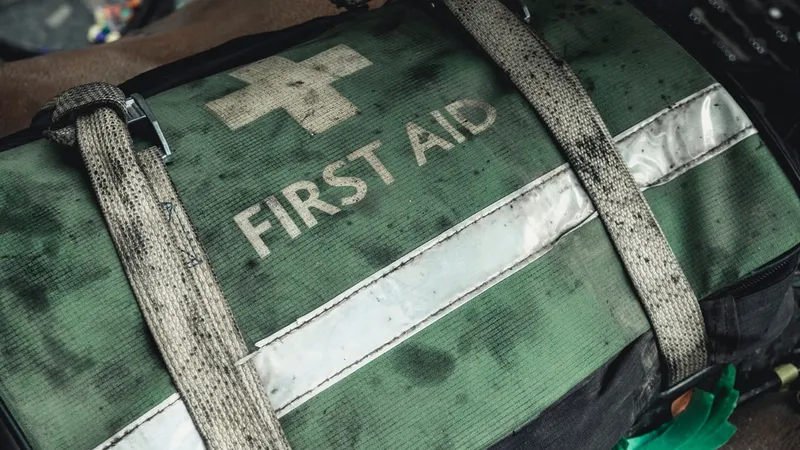
Don’t forget to check your company’s policy regarding over-the-counter medicines and prescriptions and pack them accordingly. See to it that you have a hot water bag, crepe bandage, and first-aid kit for your kit. There’s nothing wrong with being prepared, even if everything is available onboard.
Documentation
Your documents and necessary papers should always be among the first things you should prepare as you get ready for your first sea voyage. Ensure all your pertinent documents are safe and in excellent condition with a minimum validity period of 6 to 12 months.
It’s common for employers to keep a record of their seafarers or employers and notify them ahead of time of the pending documents they need. They also provide a checklist of all necessary documents.
But of course, the responsibility still lies on your shoulders to do your homework and ensure that your documents are all in order before your first voyage. The following is a short list of all the documents you need to prepare and keep handy for different purposes:
- Passport valid for at least one year
- Relevant Visas depending on the trading area of the ship
- Continuous Discharge Certificated with at least a year of validity left
- Immunizations and vaccinations for yellow fever, cholera, and the like with one year of validity left
- Required STCW 2010 Certificates, either Basic + Advanced or Basic, depending on the requirement, with one year of validity left
- Employment Service Terms and Conditions signed by the employee and employer
- Employment Contract Letter signed by the employee and employer
- Guarantee Letter or OK to Board as provided by the employer
- Beneficiary registration and emergency contact were given to the employer, and one copy was left with you
- A medical certificate from a doctor approved by the company with a minimum of one year of validity left acquired with the help of the employer
Consumables
There’s always the possibility that some consumables might not be available onboard. Thus, adding some of them to your luggage would be wise when you might crave them. These eatables include biscuits, cookies, homemade sweets, and dry fruits.
Copy of All Documents to be Left at Home and Emergency Contact List
This is one of the most critical steps to take when preparing for your first voyage at sea. Ensure that your family and loved ones have all your contact details for emergencies, such as the ship’s phone number and email address.
See that your immediate family, parents, or guardians have a copy of all your employment documents, contact numbers, and employer addresses. You can leave the following contact information with your family and loved ones:
- Personal email address
- Email address of the ship that you will most likely learn once you get onboard
- Phone number of the ship for extreme emergencies only
- Contact details of the crew personnel
- Your phone number
- Email address of any of your colleagues just in case your account can’t receive emails due to technical errors
International Debit or Credit Card and Forex Exchange
It is yet another primary necessity you shouldn’t forget. Part of being a seafarer is coming across foreign shores for the very first time.
To make things more convenient, you should carry a minimum of $200 in cash. You can use this buffer money for many situations.
If you run out of cash, you also need an international debit or credit card. Cards will let you manage your expenses better, especially because money is scarce on ships.
Methods of Communication
Having access to personal communication while onboard ships is almost considered a luxury. Although there are calling cards available, they typically come at a premium. The good news is that there are now more options you can try to ensure that your communication lines remain open.
Start by researching the route of the ship online. Ask your employer’s liaison officer for the trading area of the ship. Depending on the search results, pick an international SIM card that will let you stay in touch with the rest of the world, even if you are on foreign shores.
Of course, it’s already a given that most shipping companies now offer internet access onboard. Try to research if your ship has one and install commonly used communication apps such as chat messages and audio and video calls.
Official Packages and Documents
There are also instances when the shipping company might give you some packages or documents to carry when you join. These can include safety posters and logbooks, survey certificates, and the ship’s stationery items. Make sure there is enough extra room in your luggage that can accommodate them.
Personal Care Items
Personal care items are a must-have for your first voyage at sea. The following is a general list, and you can remove or add more items depending on your personal needs:
- A pair of formal shoes
- A torchlight
- Casual shoes
- Comb
- Deodorants
- Face wash
- Hair oil
- Hand sanitizer
- Moisturizer
- Nail cutter
- Shaving blades or razors
- Sandals
- Shampoo
- Shaving foam or cream
- Liquid detergent pouches for washing warm clothes
- Talcum powder
- 2 to 3 toothbrushes
- Toothpaste
- Trimmer
- Waterproof watch
Stationery Items
Stationery items are often available for free onboard ships. However, you can also carry some of your preferred stationery items, such as the following:
- A pocket diary
- A notebook or register
- Eraser
- Paper cutter with extra blades
- Permanent markers
- Pencil
- Pens
- Ruler
- Sharpeners
Other Tips to Prepare for Your First Sea Voyage
Aside from the basics above, make sure that you also leave your bank account information with your family. You can also study in advance to familiarize yourself with the local laws and conditions of the areas where your ship may anchor. All valuables, such as jewelry, expensive gifts, and the like, are best left at home.
Wear extra warm clothes when working in the cold or rain. And while the list may seem long, it is also best to travel as lightly as possible and stick only to those you need on the ship.