



Merchant Marine vs Navy: Key Differences Explained
The terms "mariner" and "navy" often evoke images of life at sea, but they refer to distinct groups with unique roles, responsibilities, and cultural identities. Understanding the critical differences between mariners and those in the Navy involves delving into their definitions, duties, training, and the environments in which they operate. This article will explore these differences in detail, highlighting each group's unique characteristics and contributions.
Definitions and Roles
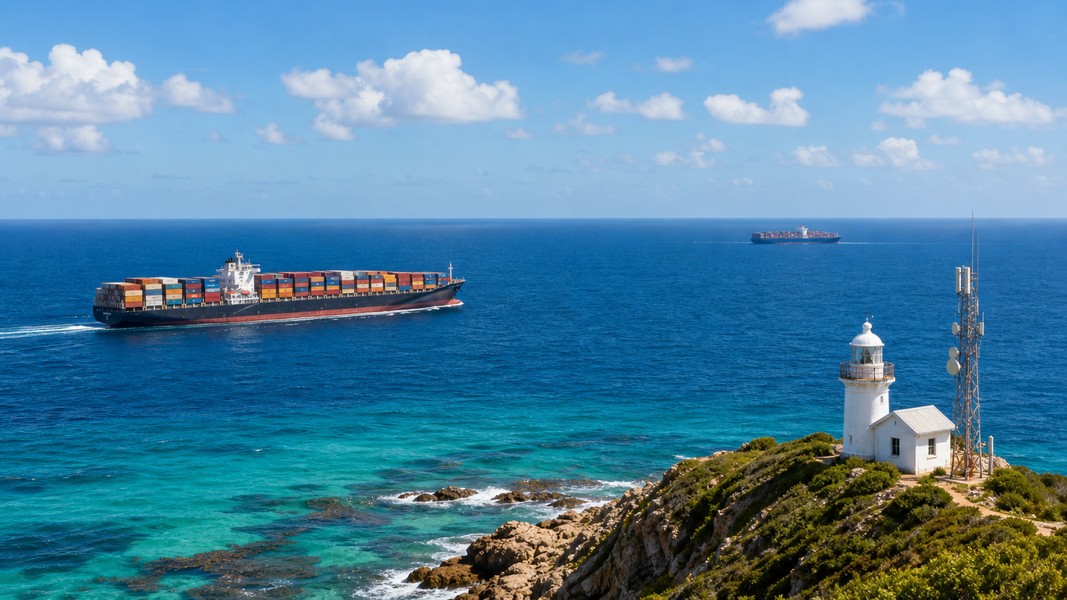
Mariners, also known as seafarers or sailors, are professionals who work on commercial ships. Their primary responsibility is transporting goods and passengers across bodies of water. Mariners operate various vessels, including cargo ships, tankers, container ships, and passenger ships. Their work is crucial to global trade, as they ensure goods' smooth and efficient movement between countries and continents.
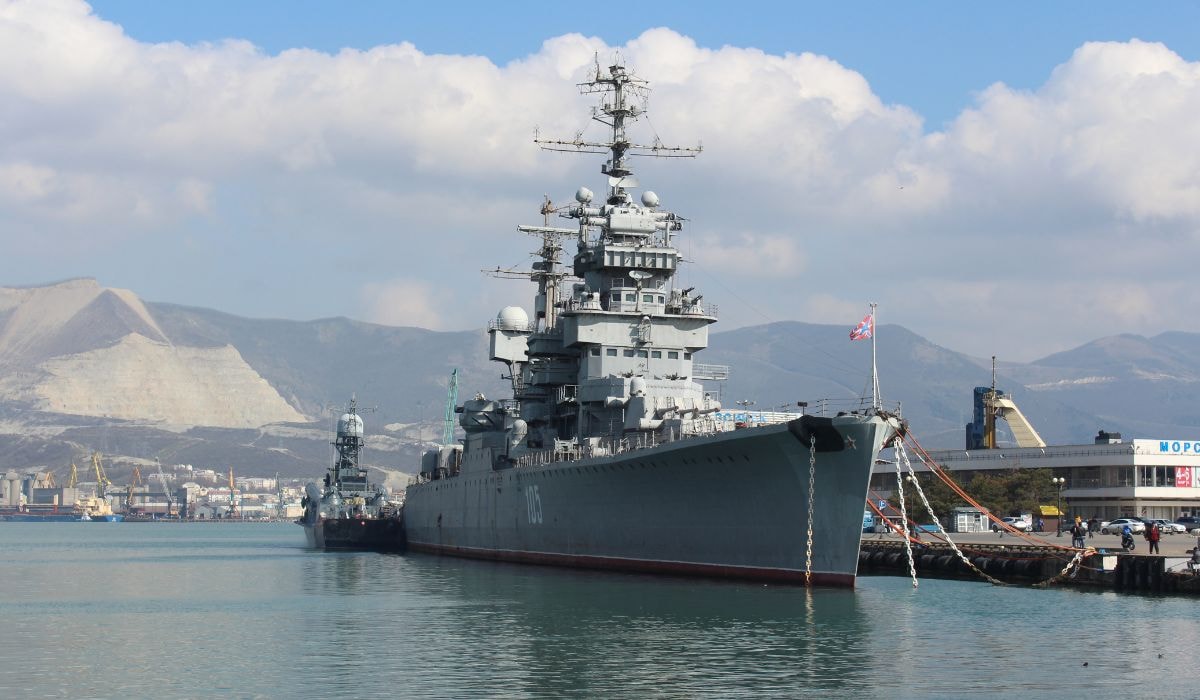
On the other hand, Navy personnel are members of a nation's naval forces, a military branch. The Navy's primary mission is to protect and defend a country's interests at sea. This includes ensuring maritime security, projecting power, conducting humanitarian missions, and maintaining a presence in international waters. Navy personnel operate warships, submarines, and other specialized vessels for combat and strategic operations.
Education and Training
The training for mariners typically involves attending maritime academies or training programs where they learn navigation, seamanship, safety procedures, and ship operations. These programs are often regulated by international standards set by the International Maritime Organization (IMO).
Mariners must obtain various certifications, such as the Standards of Training, Certification, and Watchkeeping (STCW) certification, to ensure they meet the necessary competencies for their roles. Practical experience is also a crucial component of their training, with cadets spending time at sea to gain hands-on experience.
Navy training is more extensive and multifaceted, reflecting the diverse roles within the naval forces. Recruits undergo basic training, which includes physical fitness, discipline, and military skills. This is followed by specialized training in navigation, engineering, weapons systems, and intelligence, depending on their chosen career path.
Navy personnel also receive ongoing training and education to keep up with technological advancements and evolving threats. Leadership training is also emphasized, as navy personnel often hold command positions and are responsible for making critical decisions in high-pressure situations.
Operational Environments
Mariners typically operate in a commercial environment, focusing on the efficient and safe transportation of goods and passengers. They navigate established shipping routes and adhere to strict schedules to meet the demands of global trade.
Mariners work in domestic and international waters, often spending extended periods at sea. Their work is governed by international maritime laws and conventions, such as the International Convention for the Safety of Life at Sea (SOLAS) and the International Convention on Maritime Search and Rescue (SAR).
Navy personnel operate in a more diverse and dynamic environment. Their missions range from routine patrols and training exercises to combat operations and humanitarian assistance. Navy ships often deploy to regions worldwide, maintaining a presence in strategic areas to ensure maritime security and deter potential threats.
The operational environment for navy personnel is unpredictable and can change rapidly, requiring them to be adaptable and prepared for a wide range of scenarios. They also operate under military laws and codes of conduct, which dictate their behavior and responsibilities.
Types of Vessels and Their Capabilities
Mariners operate vessels designed for specific commercial purposes. Cargo ships, for example, are built to transport large quantities of goods, while tankers carry liquid cargo such as oil and gas.
Passenger ships, including cruise ships and ferries, are designed to provide comfort and safety for travelers. These vessels have advanced navigation and safety systems to ensure efficient and secure operations. The focus is on maximizing cargo capacity, fuel efficiency, and safety.
Navy vessels are built for versatility and combat readiness. Warships, such as destroyers, frigates, and aircraft carriers, are equipped with advanced weapons systems, radar, and communication technologies. Submarines are designed for stealth and can operate undetected for extended periods.
Navy vessels can also launch and recover aircraft, conduct amphibious operations, and provide humanitarian assistance. Their design and capabilities constantly evolve to address emerging threats and technological advancements.
Lifestyle and Work Culture
Mariners' work culture is characterized by long periods at sea, followed by extended periods of shore leave. They often work in shifts, known as watches, to ensure the continuous operation of the vessel. The lifestyle can be demanding, with limited contact with family and friends at sea.
However, the camaraderie among crew members and the opportunity to travel to different parts of the world can be rewarding. Mariners also face challenges such as harsh weather conditions, isolation, and the risk of piracy in certain regions.
The work culture in the Navy is influenced by military discipline, hierarchy, and a strong sense of duty. Navy personnel adhere to a strict chain of command and follow rigorous protocols and procedures. The lifestyle involves frequent deployments, which can be physically and emotionally challenging. However, navy personnel take pride in serving their country and protecting national interests.
The Navy also provides opportunities for career advancement, education, and personal development. Navy personnel have a strong sense of community and support and often develop lifelong bonds with their fellow service members.
Career Opportunities and Progression
Career progression for mariners typically involves gaining experience and obtaining higher certifications to qualify for more advanced positions. For a full breakdown of every rank on a merchant vessel, see seaman ranks in order. Mariners can advance from deckhands and able seamen roles to positions like third mate, second mate, chief mate, and ultimately, ship captain.
The maritime industry also offers opportunities for specialization in areas such as engineering, navigation, and logistics. Mariners with extensive experience and expertise can transition to shore-based roles in maritime management, port operations, and regulatory bodies.
Navy career progression is structured and varies based on the chosen career path, such as enlisted personnel or officers. Enlisted personnel can advance through the ranks by demonstrating competence and leadership and completing required training. Officers begin their careers after completing officer training programs and can progress to higher command positions.
The Navy offers a wide range of career opportunities, including roles in aviation, engineering, medical services, intelligence, and special operations. Navy personnel can also access educational benefits, such as tuition assistance and scholarship programs, to further their education and career prospects.
Contributions and Impact
Mariners play a crucial role in the global economy by facilitating international trade and commerce. They ensure the timely and efficient delivery of goods, contributing to economic growth and development.
Mariners also support the tourism industry by operating passenger ships and providing travel and leisure opportunities for people worldwide. Their work is essential for maintaining supply chains and supporting agriculture, manufacturing, and energy industries.
Navy personnel contribute to national security and global stability. They protect a nation's maritime interests, deter aggression, and respond to crises and conflicts. The navy's presence in international waters ensures the free flow of commerce and the enforcement of maritime laws.
Navy personnel also play a vital role in humanitarian missions, providing disaster relief, medical assistance, and support to affected communities. Their contributions extend beyond national borders, promoting peace, stability, and cooperation in the international community.
Wrapping It Up
While mariners and navy personnel share a standard connection to the sea, their roles, responsibilities, and environments are distinct.
Mariners are essential to the commercial maritime industry, ensuring the smooth flow of goods and passengers across the world's oceans.
As part of a nation's military forces, Navy personnel play a critical role in national security, maritime defense, and global stability.
Both groups contribute significantly to society, and understanding their differences highlights the diverse and vital functions they perform in our interconnected world.
Most Recent Posts
Discover more articles from our blog.