



Gross Tonnage Explained: How Ship Size Is Really Measured
Gross tonnage (GT) is a measure of a ship's total enclosed volume, not its weight. Defined under the International Convention on Tonnage Measurement of Ships, 1969, it describes how much internal space a vessel contains, calculated from a standard formula applied to every enclosed compartment. Despite the name, no physical tons are involved.
If you've ever opened a ship's profile in a tracking app and noticed a number like "228,081 GT" next to a cruise ship, that's gross tonnage telling you this vessel is enormous. It's one of the most widely referenced figures in maritime data, yet most passengers and enthusiasts don't know what it actually represents.
This guide breaks down the gross tonnage formula, puts real ship numbers in context, and explains why this single figure governs so much of maritime life.
Key Data Points at a Glance
Before diving into the mechanics, here are the headline numbers that define the gross tonnage landscape:
- World's largest ship by GT: Icon of the Seas at approximately 250,800 GT
- The Titanic, often assumed enormous, measured just 46,328 GT
- A 500 GT threshold triggers full application of the SOLAS international safety convention
- Both the Panama and Suez Canals calculate transit fees directly on GT
- Gross tonnage is not a weight measurement. It's a volumetric figure, and that distinction changes everything about how you read it.
What Is Gross Tonnage?
Gross tonnage measures the total volume of all permanently enclosed spaces on a ship, expressed as a dimensionless number. The definition comes from the International Convention on Tonnage Measurement of Ships, 1969 (ITC 1969), administered by the International Maritime Organization.
The term "tonnage" has medieval roots. Ships were originally taxed by how many "tuns" (large wine barrels holding roughly 252 gallons) they could carry. Over centuries, this measurement evolved from counting barrels to measuring internal cubic volume through a standardized formula. The word stuck even after the physical barrels disappeared.
What trips people up is that GT doesn't tell you how heavy a ship is. A 200,000 GT cruise ship isn't necessarily heavier than a 200,000 GT container ship. GT captures enclosed space, not mass. For actual weight, you'd look at displacement, which measures the weight of water the hull pushes aside.
How Gross Tonnage Is Calculated
The ITC 1969 formula is GT = K₁ × V, where V is the total volume of all enclosed spaces in cubic meters, and K₁ is a coefficient derived from that volume: K₁ = 0.2 + 0.02 × log₁₀ V.
In practice: a ship with 10,000 m³ of enclosed space produces K₁ = 0.2 + (0.02 × 4) = 0.28, giving GT = 2,800. As volume increases, K₁ rises slowly, so larger ships don't grow GT proportionally. That logarithmic relationship means doubling internal volume doesn't double gross tonnage.
Spaces counted in the calculation include cargo holds, passenger cabins, machinery rooms, navigation bridges, and storage compartments. Open deck areas, swimming pools, and certain light spaces are excluded. Maritime surveyors measure every enclosed compartment and apply the formula to produce the official GT figure stamped on a vessel's International Tonnage Certificate.
Gross Tonnage vs. Net Tonnage vs. Displacement
These three measurements are frequently confused but serve completely different purposes.
| Metric | What It Measures | Primary Use |
|---|---|---|
| Gross Tonnage (GT) | Total enclosed volume | Ship classification, port dues, safety regulations |
| Net Tonnage (NT) | Revenue-earning spaces only | Canal fees, harbor dues based on cargo capacity |
| Displacement | Actual weight of water displaced | Naval architecture, stability calculations |
| Deadweight (DWT) | Cargo, fuel, and stores capacity | Commercial loading limits for cargo vessels |
Net tonnage strips out non-commercial spaces: crew quarters, engine rooms, and navigation areas don't count. On a typical cargo ship, NT runs 60-80% of GT. For a cruise ship, where passenger cabins dominate, the gap between GT and NT widens considerably.
Displacement is the odd one out. It measures weight, usually in metric tons, and reflects the physical mass of the vessel. Warship specifications traditionally use displacement; maritime law and port fees use GT. When you see a ship described as "weighing" 50,000 tons, that's almost always displacement, not gross tonnage.
Famous Ships by Gross Tonnage
The numbers below show how dramatically cruise ship sizes have grown, and how GT compares across vessel types.
| Ship | Type | Gross Tonnage |
|---|---|---|
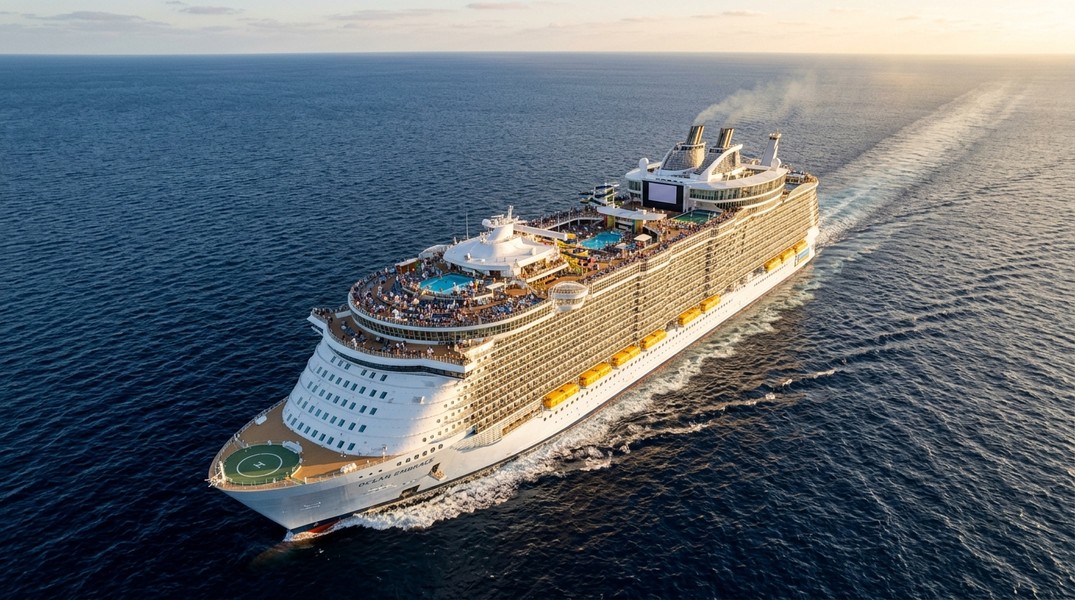
| Icon of the Seas | Cruise, Royal Caribbean | ~250,800 |
| Wonder of the Seas | Cruise, Royal Caribbean | 236,857 |
| Symphony of the Seas | Cruise, Royal Caribbean | 228,081 |
| Ever Given | Container | 224,000 |
| Allure of the Seas | Cruise, Royal Caribbean | 225,282 |
| Carnival Celebration | Cruise, Carnival | 183,900 |
| Carnival Jubilee | Cruise, Carnival | 183,900 |
| MSC Seashore | Cruise, MSC | 169,400 |
| Queen Mary 2 | Ocean liner, Cunard | 148,528 |
| Titanic | Historic liner | 46,328 |
The contrast is striking. The Icon of the Seas has more than five times the gross tonnage of the Titanic, which was considered the largest ship in the world when it launched in 1912. Queen Mary 2, still one of the most recognizable ocean liners ever built, looks modest against modern cruise megaships.
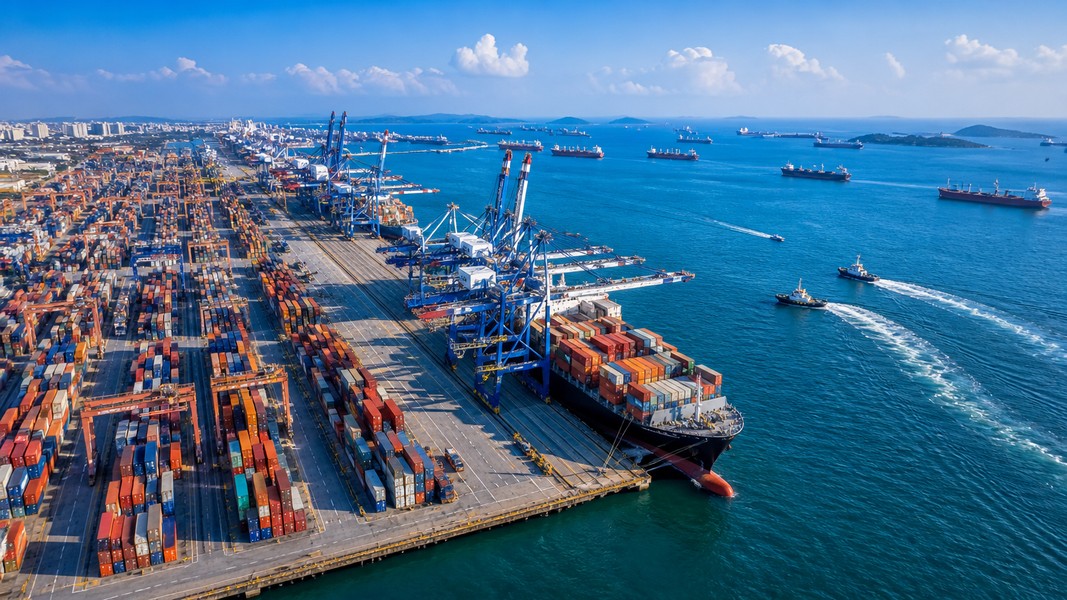
The Ever Given's inclusion shows that container ships now rival cruise ships in sheer enclosed volume. When it blocked the Suez Canal in 2021, its 224,000 GT explained exactly why it took six days and a fleet of tugs to free it: the vessel's total enclosed space was simply too vast to maneuver easily in that narrow passage.
For a closer look at how these vessels compare within cruise fleets, see our guide to cruise ship sizes across the major lines.
Gross Tonnage Ranges by Ship Type
Different vessel categories cluster around predictable GT ranges, and those ranges map directly to the regulations that apply to them.
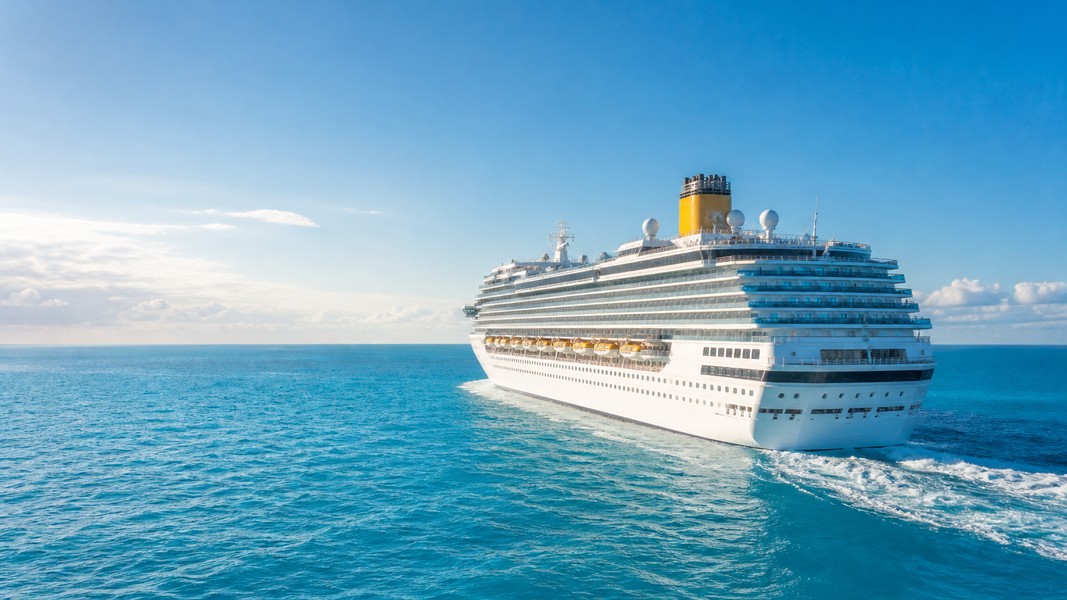
Cruise ships span from 50,000 GT for smaller luxury vessels up to 250,000+ GT for megaships. The threshold that separates "large" from "mega" sits around 150,000 GT. Ships above that figure require specialized berths and carry passenger counts in the 5,000-7,000 range.
Container ships range from small feeder vessels under 10,000 GT serving regional ports, to ultra-large container vessels exceeding 200,000 GT. The Ever Given and similar vessels represent current practice rather than outliers for the largest class of containerships operating today.
Tankers use deadweight tonnage more commonly than GT for commercial purposes, but Very Large Crude Carriers (VLCCs) typically produce GT figures in the 150,000-250,000 range. Ultra-large crude carriers generate even higher figures.
Ferries cover a wide spectrum. Coastal services under 500 GT are legally classified as boats rather than ships under SOLAS. Major vehicle ferries on routes like the English Channel run 30,000-50,000 GT, while smaller inter-island services sit well below that.
General cargo vessels operating worldwide range from 10,000 GT for small bulk carriers to 100,000 GT for larger ships. Below 500 GT, different regulatory frameworks apply. The 500 GT threshold is a practical dividing line across SOLAS, MARPOL (which starts at 400 GT for certain pollution-prevention requirements), and the Maritime Labour Convention of 2006.
For a fuller breakdown of the vessels you're likely to track, the guide to different ship types covers each category in detail.
Why Gross Tonnage Matters for Vessel Tracking
When you open a ship's profile in Primo Nautic, the GT figure appears alongside position, speed, and ETA data. That number does three practical things.
GT tells you the vessel's size class instantly. A 6,000 GT ship is a small feeder or coastal cargo vessel. A 220,000 GT ship is a megacruiser or ultra-large containership. You get a reliable size reference before you see any photos or descriptions.
GT also explains port access and routing decisions. Many ports have draft and GT limits that physically constrain which vessels can enter. When tracking a cargo shipment and wondering why a ship is calling at an unexpected port, GT restrictions are often the reason. Large container ships and tankers above certain GT thresholds cannot transit the older Panama Canal locks and must use the Neopanamax locks, which affects transit times and arrival predictions.
Canal fees scale directly with GT. Both the Panama and Suez Canals calculate tolls primarily on gross tonnage, and port dues for berthing, pilotage, and lighthouse services typically scale the same way. These costs influence routing decisions and ultimately affect the shipping schedules and ETAs you see when tracking vessels in Primo Nautic.
Safety regulations also hinge on GT thresholds. SOLAS requirements apply differently at 300 GT and 500 GT thresholds, while MARPOL pollution-prevention requirements start at 400 GT for certain vessel types. The crew certifications and mandatory safety equipment aboard any vessel you track are largely determined by where that vessel falls in the GT scale.
Gross Tonnage in the Modern Fleet
The rapid growth in gross tonnage figures reflects a deliberate trend in commercial shipping. Larger vessels carry more cargo or passengers per crew member and per unit of fuel, improving economics at scale. In 1970, a 100,000 GT cruise ship was a marvel. Today it sits squarely in the mid-range category.
Container shipping followed a similar path. The introduction of ultra-large vessels pushed containership volumes above 200,000 GT on a routine basis. The logarithmic K₁ coefficient in the formula means that as ships have grown physically, gross tonnage has grown at a slower rate than raw interior volume. The 1969 convention was written when the largest vessels measured around 250,000 GT as an outlier; modern shipbuilding has made that figure standard for the top tier of cruise and container fleets.
Conclusion
Gross tonnage measures total enclosed volume, not weight, using a formula standardized by the International Maritime Organization in 1969. It's a dimensionless figure that governs ship classification, port fees, canal tolls, and safety regulations across the global fleet. The Titanic's 46,328 GT compared to the Icon of the Seas' 250,800 GT illustrates how dramatically ship construction has scaled over a century. When you track any vessel, the GT number in its profile is your fastest indicator of its size class, the regulatory requirements it operates under, and the physical constraints it navigates on every voyage.
Most Recent Posts
Discover more articles from our blog.