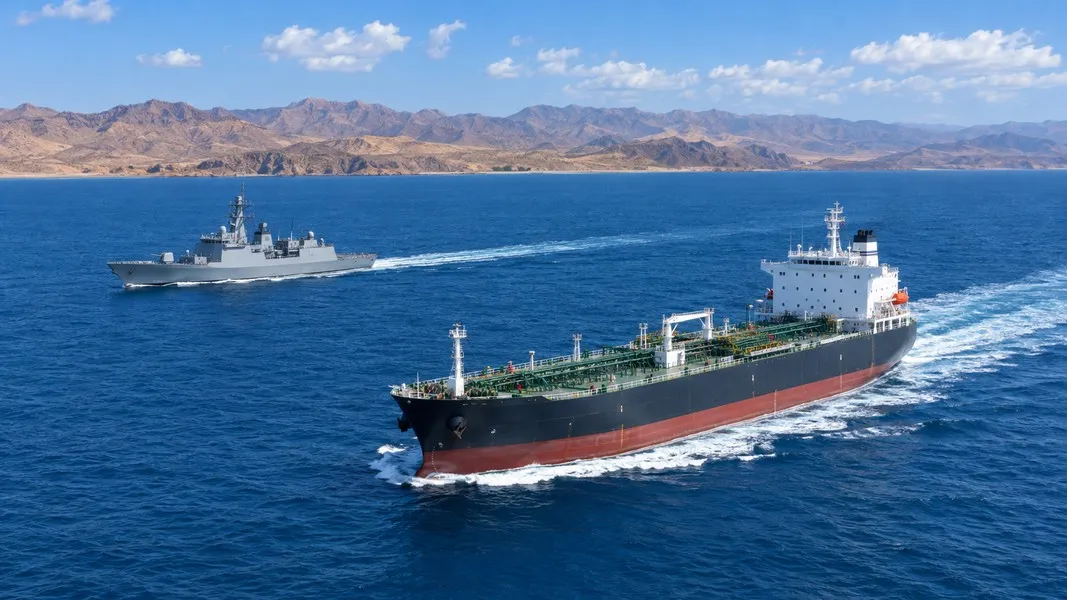
Somali pirates are armed groups, based mostly along the coast of Puntland in northeastern Somalia, who hijack ships in the Gulf of Aden and the Somali Basin and hold the crews for ransom. After almost a decade of near silence, they returned in 2026. By late August, at least 15 attacks had been reported in the waters around Somalia this year, the highest count since 2013.
If you work in shipping, follow cargo through the region, or have someone you love serving on a ship that sails past the Horn of Africa, the news is unsettling. This guide explains where the attacks happen, how they work, why they came back, and what ships do to stay out of reach.
Who Somali Pirates Are
Modern Somali piracy grew out of a country that has lacked a functioning central government since the early 1990s. Without a state to police the coast, fishing communities and armed militias found that seizing passing ships paid far better than anything else available to them.
The groups are not one organization. The EU naval mission Operation Atalanta assesses that several pirate groups are active at once, and that they increasingly show the ability to run coordinated operations. Most launch from small coastal towns in Puntland. Eyl, a former fishing town, has become a major hub.
Their business model has stayed the same for two decades: take the ship, take the crew, and negotiate a ransom. That sets them apart from most piracy elsewhere in the world, which is theft rather than kidnapping.
Where Somali Pirates Operate
The Somali pirates' location shifts with the season, but it always falls within two broad areas.
The first is the Gulf of Aden, the narrow sea between Somalia and Yemen that links the Red Sea to the Indian Ocean. Every ship heading for the Suez Canal from Asia passes through it, and since May 2026 eight attacks have taken place there. Ships transit the gulf inside the Internationally Recommended Transit Corridor, a protected lane patrolled by naval forces, yet the tanker Seamull was still hijacked inside it in August.
The second is the Somali Basin, the open Indian Ocean east and south of Somalia. Here the range is far larger. The Maritime Security Centre Indian Ocean has reported pirate groups moving up to 600 nautical miles off the east Somali coast before launching an attack.
Weather decides which of the two is active. Atalanta notes that the groups adapt to the monsoons, working the Gulf of Aden when the open ocean is rough and the Somali Basin when it is calm. In its 24 September advisory, the Joint Maritime Information Center wrote that an elevated offshore sea state was restricting long-range skiff operations, while the sheltered coastal waters remained within reach.
Attacks in 2026 have also reached the Yemeni side of the gulf. One tanker was taken while anchored off a Yemeni port, and another about 65 nautical miles southwest of Mukalla.
How a Somali Pirate Attack Works
Pirates in small open boats cannot cross hundreds of miles of ocean on their own. The answer is the mothership.
A group first seizes a vulnerable local vessel, usually a fishing dhow. Most often that has been a Yemeni fishing dhow, and in 2025 the groups also took Chinese fishing boats and Iranian dhows. The captured dhow carries fuel, weapons and skiffs far offshore, where it blends in with ordinary traffic. When a target appears, the pirates launch fast skiffs and try to climb aboard.
The weapons are military grade. The largest attack of 2026, on 21 April, involved around 30 pirates armed with assault rifles and grenade launchers against the tanker Honour 25 north of Eyl.
Once on board, the pirates sail the ship to an anchorage off the Somali coast and open ransom talks with the owner. That can take months. The cargo ship MV Sward, hijacked in April with 17 crew, was released in September after a ransom was paid, according to security sources and the authorities in Puntland.
Crews have one strong defense if they spot the attack early: the citadel, a reinforced room where the crew can lock themselves in. When six armed men boarded the vessel Glamour off Yemen in September, the crew had already stopped the ship, shut down its systems and taken refuge in the citadel. A Japanese warship approached, helicopters circled overhead, and the pirates abandoned the ship.
The 2011 Peak and How It Ended
The current wave is serious, but it is still small next to the crisis of a decade and a half ago.
In 2011, at the height of Somali piracy, there were just over 200 attacks on ships, including 28 successful hijackings and more than 600 seafarers taken hostage, according to the marine insurer Gard. The International Maritime Organization recorded around 200 attacks a year in 2009, 2010 and 2011. A UN report from 2011 put annual losses at an estimated 7 billion US dollars, with insurers paying heavy premiums to cover them.
Two things ended it. A multinational naval effort patrolled the region at scale, and shipowners strengthened the self-protection measures on board their own vessels. Incidents fell so far that the industry removed the Indian Ocean High Risk Area in 2023.
A short resurgence between November 2023 and May 2024 faded after a strong naval response. Only five incidents were recorded off Somalia in 2025.
Why Somali Pirates Returned in 2026
The resurgence is the product of a war that pulled ships and navies into new patterns, landing on top of the same conditions inside Somalia that created piracy in the first place.
The external trigger came on 28 February 2026, when war broke out between Iran, the United States and Israel. Traffic through the Strait of Hormuz was heavily disrupted, and the wider region turned into a security emergency. Our guide to the Strait of Hormuz covers why that waterway matters so much to world shipping. CNN reported that the war pushed vessels into high-risk detours, and Danish Shipping notes that changes in the regional security situation may have created more favorable conditions for pirate activity.
Oil prices did the rest. Experts quoted by Reuters attribute the resurgence partly to the elevated oil prices that followed the war, which make tankers more attractive targets. The pattern in the 2026 hijackings fits that explanation: most of the merchant ships seized were tankers carrying oil products.
Inside Somalia, the drivers are older. Danish Shipping points to drought, illegal fishing, economic hardship and weak government structures as factors that make piracy a more attractive career path.
The Ships Hijacked by Somali Pirates in 2026
The JMIC advisory of 24 September listed four merchant vessels still held at that date, all of them tankers.
| Ship | Flag | Hijacked | Where |
|---|---|---|---|
| MT Honour 25 | Palau | 21 April 2026 | Off the northern Somali coast, en route to Mogadishu |
| MT Eureka | Togo | 2 May 2026 | At anchor off Qana Port, Yemen |
| MT Asana | Tanzania | 17 July 2026 | About 65 nm southwest of Mukalla, Yemen |
| MT Seamull (Sibu 1) | Eritrea | 20 August 2026 | Off Somalia, inside the transit corridor |
The Seamull, also known as Sibu 1, belongs to the Iranian fleet accused of moving sanctioned oil and is itself under US sanctions. Our breakdown of the shadow fleet explains how those ships operate.
The end of September brought the most violent turn yet. Puntland's Maritime Police Force freed Sibu 1 in one operation, then rescued Honour 25 and Eureka a week later. The authorities in Puntland said the pirates had killed five members of the Honour 25 crew before the rescue, three Pakistani nationals, one from Myanmar and one Indian, and injured four more. As reported by Asharq Al-Awsat, those appear to be the first deaths at the hands of Somali pirates in more than a decade. With the two rescues, five of the six ships held off the Somali coast in late August had been freed.
Somali Piracy in Numbers
The counts differ slightly depending on who keeps them, but every source points the same way.
The International Maritime Bureau recorded eight incidents off Somalia in 2024 and five in 2025, then 13 in the first seven months of 2026 alone, according to an analysis by Danish Shipping. That is the highest level in ten years. An AFP analysis of IMO data, published by Euronews in August, counted at least 15 attacks since the start of the year, the most since 2013.
The global picture looks very different. In the first quarter of 2026 the IMB received just 16 reports of piracy and armed robbery worldwide, the lowest first quarter since 1991, as reported by the Maritime Executive. Most incidents worldwide still happen in Southeast Asia, around Indonesia, the Philippines and the Singapore Strait.
The difference lies in what kind of crime it is. In Southeast Asia, attacks are usually theft from ships at anchor. Off Somalia, they are more likely to be hijackings of ships under way. Somalia accounted for around 30 percent of the incidents in the IMB register, but a far larger share of the most serious ones.
How Ships Protect Themselves From Somali Pirates
The industry already knows what works, because it learned it the hard way in 2011.
After the attacks of April, the Joint Maritime Information Center raised its threat level for the waters off Somalia to severe. Its advice to every ship in the region follows the industry guidance known as Best Management Practices Maritime Security, or BMP MS:
- Run a voyage-specific risk assessment and stay current on the latest threat reports.
- Keep a vigilant watch, since early detection is what gives the crew time to reach the citadel.
- Report any suspicious approach to UKMTO and the Maritime Security Centre Indian Ocean.
- Follow the guidance of the flag state, industry bodies and maritime security specialists.
The evidence says these steps work. Danish Shipping points out that vessels following the Best Management Practices recommendations are generally far less vulnerable to pirate attacks. The Glamour case in September is a live example: a crew that reacted fast, a citadel, and a navy close enough to respond.
If Someone You Love Sails Near Somalia
For seafarer families, a headline about pirates near the Horn of Africa lands very differently. Most ships cross the Gulf of Aden and the western Indian Ocean every day without incident, and the merchant ships hijacked this year were mostly product tankers, not container ships on scheduled liner routes. Knowing that does not always quiet the worry.
What helps most is concrete information. Primo Nautic lets you follow a specific ship by name, MMSI or IMO number, so you can see where it is right now and how its passage through the region is progressing. With the Loved One Working at Sea tracking purpose, Primo Nautic turns that position into a plain, supportive update rather than raw coordinates.
Weather matters here too, since sea state limits how far pirate skiffs can operate. Primo Nautic shows the live wind and sea conditions at the vessel's exact location, so you can see what the crew is sailing through.
Conclusion
Somali pirates operate from the coast of Puntland and attack ships in the Gulf of Aden and the Somali Basin, sometimes hundreds of miles offshore, using captured fishing dhows as motherships. After years of near silence, attacks in 2026 reached their highest level since 2013, driven by the regional war, higher oil prices and the long-standing problems inside Somalia.
The scale is still far below the 2011 peak, when around 200 attacks a year were recorded, and naval forces and Puntland's police have freed most of the ships taken this year. The killing of five crew members aboard Honour 25 shows why the threat is taken seriously. Ships that follow BMP MS guidance, keep a sharp watch and report early remain far harder targets.