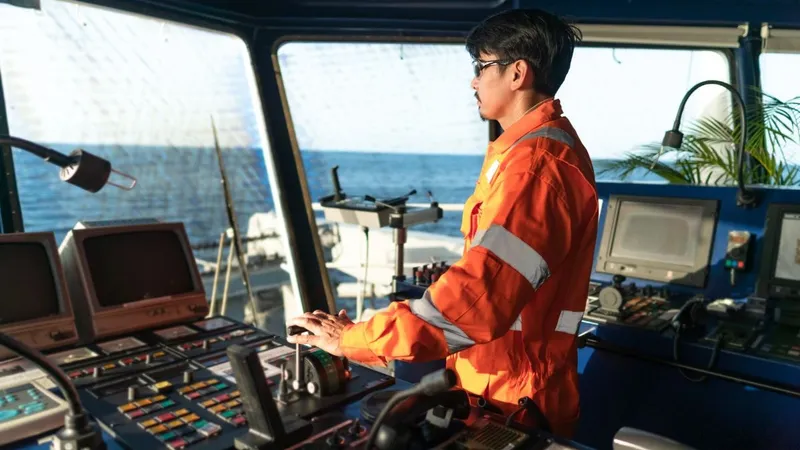
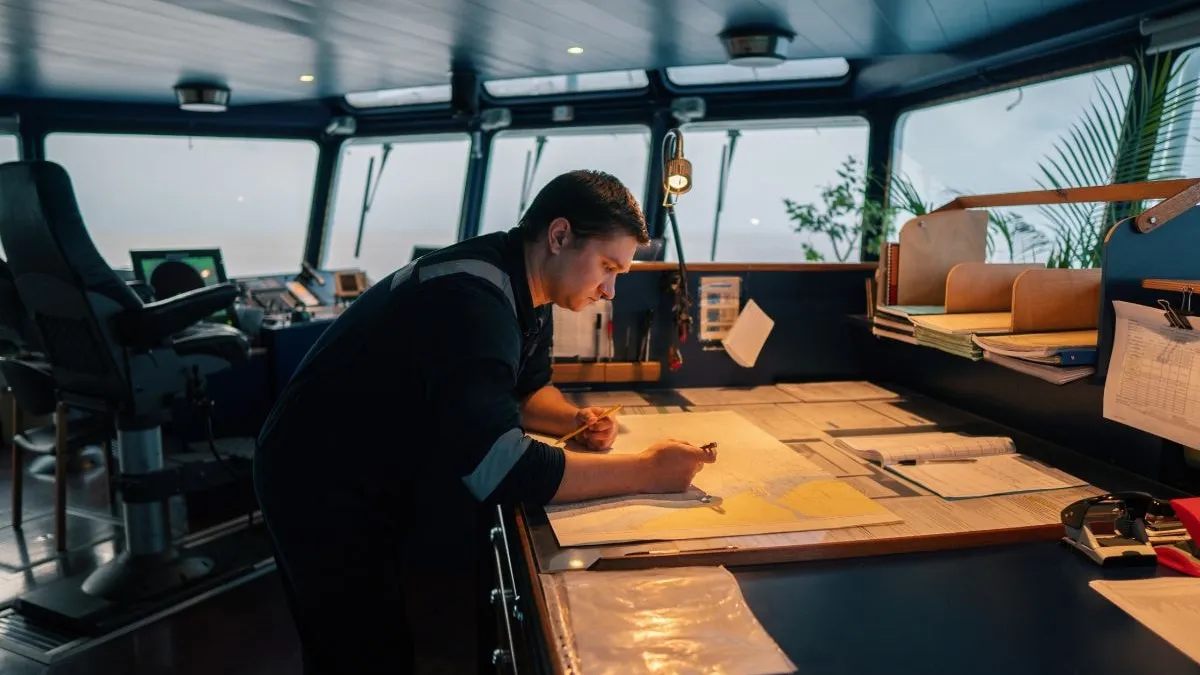
The Officer of the Watch (OOW) is one of the most important roles on any vessel. Stationed on the bridge, the OOW is responsible for the ship's safe navigation, collision avoidance, and overall maritime safety during their watch period. Understanding what an OOW does, what skills they need, and how they handle emergencies gives you a clearer picture of how modern ships stay safe at sea.
In this article, you will learn about the pivotal responsibilities of the OOW, emphasizing the necessary skills for effective bridge management and operations. You will also discover more about the importance of emergency preparedness, decision-making, and vigilance, which are critical to ensuring the maritime safety of the passengers, crew, and vessel.
Role of the OOW in Bridge Management and Operations
The OOW has numerous functions that range from navigational oversight to risk assessment and decision-making.
The OOW is in charge of chart navigation to guarantee that the ship sticks to a safe course, avoiding any navigational hazard along the way. It involves chart interpretation with the use of navigational instruments. The OOW is also expected to stay up to date on the current position of the vessel.
The OOW also has continuous watchkeeping duties that require them to monitor the ship's movement, other vessels in the area, and the changing weather conditions. To anticipate all possible risks, the OOW is expected always to be vigilant.
The OOW is also the bridge team leader tasked to foster effective collaboration and communication among the lookouts, helmspersons, and officers. Clear communication is critical to navigating complex maritime environments.
The Officer of the Watch also communicates via radio with coastal authorities, maritime services, and other vessels to convey the ship's intentions and receive important data.
It's also the responsibility of the OOW to make accurate decisions right on time to prevent collisions. It involves risk assessment of close encounters with other ships and taking the necessary evasive actions in line with COLREGS, the international rules of the road at sea.
The decision-making role of the Officer of the Watch also extends to challenges related to weather conditions. They evaluate the effect of weather conditions on the route, stability, and overall safety of the vessel.
Necessary Skills for Effective Bridge Management and Operations
Effective bridge management and operations is a task that requires several key skills and their respective subcategories, which include the following:
Communication Skills
The Officer of the Watch must have excellent communication skills for various reasons. However, it's not enough that an OOW knows how to communicate.
1 – Precision and Clarity
Clear communication is crucial for safe navigation. They should precisely articulate intentions, observations, and instructions to ensure the bridge team and all external parties understand the information.
2 – Multilingual Competence
Considering the global nature of today's maritime operations, Officers of the Watch usually interact with people from various linguistic backgrounds. Effective communication is best enhanced by being proficient in several languages.
Decision-making
Making decisions is and will always be a part of any OOW's job.
1 – Critical thinking
The ability to think fast is important during unforeseen situations or emergencies. The power of the OOW to assess information quickly and make timely decisions even under pressure is one of the most important aspects of their job.
2 – Risk Assessment
A thorough risk assessment is necessary to ensure effective decision-making. The OOW should know how to weigh factors like environmental conditions, navigational hazards, and traffic density to make educated choices.
Technical Proficiency
Being an OOW is a technical job, so proficiency in the field is necessary.
1 – Bridge Resource Management
Comprehension and proper use of the different bridge systems and equipment contribute to efficient and safe operations. The OOW should know how to integrate the different resources effectively.
2 – Navigational Instruments
The Officer of the Watch must also be well-versed in using modern navigational technology such as radar, GPS, AIS, and Electronic Chart Display and Information System (ECDIS). Technical proficiency guarantees precise navigation and improves operational efficiency in general.
Vigilance
The importance of vigilance cannot be understated as far as Officers of the Watch are concerned.
1- Attention to Detail
Recognizing even the subtlest changes in the vessel's environment calls for acute attention to detail. This vigilance guarantees early detection of possible risks and ensures well-timed responses.
2 – Situational Awareness
The true hallmark of a skilled Officer of the Watch is the ability always to retain situational awareness. It includes visual observation, monitoring radar, and an Automatic Identification System (AIS) to stay informed about the vessel's surroundings.
Vigilance and Its Importance in Maritime Safety
Vigilance is a skill that is critical in maritime safety for three primary reasons: hazard anticipation, avoidance of collisions, and navigational precision.
By being vigilant, the OOW can identify potential hazards early to allow proactive measures to mitigate risks. It includes pinpointing approaching vessels, observing navigational aids, and monitoring weather changes.
The OOW is also in charge of supervising lookouts who help maintain a visual watch. Effective communication with the lookouts can improve the bridge team's collective vigilance.
Vigilance is also instrumental to the execution of timely maneuvers to prevent collisions. The ability of the OOW to evaluate collision risks and take the necessary evasive action depends on their constant monitoring of the vessel's surroundings.
Lastly, constant vigilance will ensure that the ship follows its original or intended course. The Officer of the Watch can correct the course on time according to real-time observations to avoid unintentional deviations that may result in collisions or grounding.
The Ability to Make Decisions Even Under Pressure
In emergencies, the OOW should prioritize actions according to the severity of the situation. It involves balancing long-term considerations and immediate threats to keep the vessel and the crew safe and sound.
Emergencies also call for decisive and rapid action. It doesn't matter if it is adverse weather, fire, or engine failures; the ability of the OOW to make wise decisions even under pressure is the key to mitigating risks and guaranteeing the safety of the vessel and its passengers and crew.
Effective communication is also essential when emergencies arise. The Officer of the Watch should adhere to established protocols to coordinate with the relevant authorities, communicate distress signals, and inform the bridge team of the ensuing situation.
Decision-making also involves using available resources, including navigational tools, crew expertise, and life-saving equipment. The capacity of the OOW for a reasonable allocation of resources leads to effective emergency management.
Emergency Preparedness
To guarantee emergency preparedness, OOWs undergo crisis management training that equips them with the essential skills for handling emergency scenarios. The training focuses on decision-making, communication, and coordination in high-stress surroundings.
The Officer of the Watch is vital in organizing and participating in emergency procedures and drills. The drills simulate different scenarios to ensure the preparedness of the bridge team for swift and efficient emergency response.
The OOW is also responsible for ensuring the bridge team's familiarity with operating emergency equipment like firefighting tools and life-saving appliances. Thanks to this familiarity, the group becomes more prepared for the effective deployment of these resources.
The Officer of the Watch must also be ready to devise alternative routes when navigational challenges occur. It may involve re-routing to prevent adverse weather, switching to a different course to avoid obstacles, or searching for shelter in selected safe places.
The OOW holds one of the most demanding positions in the ship's command hierarchy, combining technical expertise, situational awareness, and leadership under pressure to keep vessels and everyone aboard safe on every voyage.