Ask someone where the "bow" of a ship is and most people will hesitate. Is that the front or the back? What about "fore" and "aft"? And what exactly is "amidships"? If you have ever stood on a cruise deck feeling slightly unsure which direction the ship is heading, you are in very good company.
These terms come from centuries of maritime tradition, but they are not just historical quirks. Sailors and officers use them every day because they describe a ship's orientation precisely, regardless of which direction anyone happens to be facing. Once you understand the basics, reading a deck plan, booking the right cabin, or following a live ship tracker suddenly becomes a lot clearer.
Here is everything you need to know about the bow of the ship, the stern, and the directional vocabulary that comes between them.
What Is the Bow of a Ship?
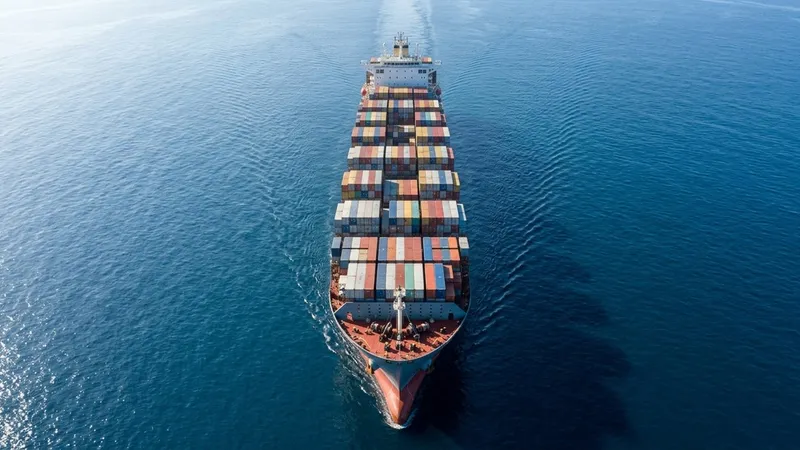
The bow is the front part of a ship: the end that points in the direction of travel. When a vessel moves forward, the bow leads the way. Everything ahead of the midpoint, toward that front section, is described as being "forward" on the ship.
The word "bow" traces back to Old English bōga, meaning a bend or curve. That etymology makes sense when you look at traditional ship design: the bow has always been shaped to slice through waves efficiently, often featuring an outward flare or a narrow point to reduce resistance.
Modern ships take this further with a bulbous bow: a rounded protrusion extending below the waterline just ahead of the keel. This bulb creates a pressure wave that partially cancels the wave the ship would otherwise push ahead of itself, reducing drag and cutting fuel consumption. You can see this clearly when large vessels are in dry dock; the bulb can be enormous, sometimes as wide as a car.
The bow also handles the worst of whatever the sea throws at a ship. In rough conditions, waves hit the bow first. This is why forward cabins on cruise ships tend to experience the most noticeable motion: the bow rises and falls as it meets incoming swells. Some cruise passengers actively seek out bow-facing views for the dramatic sight of the ship cutting through open water; others find the movement uncomfortable on longer crossings.
In AIS data, the bow defines the ship's heading: the direction the bow points. This is displayed separately from course over ground, which accounts for current and drift. On a live tracking map, the pointed tip of a vessel icon shows you where the bow is.
What Is the Stern of a Ship?
The stern is the rear of the ship, the end opposite the bow. While the bow gets the drama of cutting through waves, the stern does much of the real mechanical work. Propellers, rudders, and steering systems are all mounted at or near the stern.
The word comes from Old Norse stjórn, meaning "steering," according to Encyclopaedia Britannica. That name reflects the fact that early ships were controlled from the rear: steering oars, and later rudders, were positioned at the stern because they could act on the wake created by the hull, giving much better directional control than trying to steer from the middle or front.
Key structures you find at the stern include the propeller (which drives the vessel forward by pushing water backward), the rudder (which pivots to redirect that flow and change course), and the transom (the flat or shaped panel that closes off the back of the hull). Many ships also have a poop deck, the raised platform above the stern, which on older vessels was used as a command position. On modern cruise ships, the aft deck often becomes a sought-after promenade or observation area.
The stern is where the ship's wake forms. That distinctive fan of disturbed water spreading behind a vessel is created as the propeller churns through the sea. Aft cabins offer views of this white-water trail, particularly striking at sunset. They do come with some propeller vibration and noise at lower decks, but on higher decks the trade-off is usually worth it for the scenery.
When a ship docks, it often does so stern-first or maneuvers with the stern swinging wide before the vessel slides into position. The physics of steering mean the stern sweeps a large arc when turning, which is why tugs are used to control large ships in tight harbors.
Fore, Aft, and the Terms Between
Once you understand bow and stern, the rest of the directional vocabulary follows naturally.
Fore and forward both mean toward the bow. "The lifeboats are stored in the forward section" and "the lifeboats are stored fore" say the same thing. "Forward" tends to be more common in everyday cruise-passenger language; "fore" appears more in traditional seamanship.
Aft means toward the stern. "The main restaurant is located aft" tells you to walk toward the back of the ship. Astern is slightly different: it can mean either the aft direction or, when describing movement, that the ship is going in reverse ("engine astern" means backing up).
Amidships refers to the middle section of the ship along its centerline. This is the most stable part of any vessel: it experiences the least vertical motion in rough seas because it is closest to the ship's pivot point. If you are prone to seasickness, booking a cabin amidships on a middle deck is the single most effective thing you can do to minimize discomfort. You can learn about other factors that affect sea conditions in our guide to port vs starboard and ship orientation.
There are a few other directional terms worth knowing:
- Ahead describes forward movement; the ship is proceeding ahead at 18 knots.
- Abeam means directly to the side, at a right angle to the ship's centreline.
- Abreast means alongside, as in "we are abreast of the port entrance."
- Abaft means behind a specific point on the ship; "abaft the mast" means behind the mast, toward the stern.
Cruise ships use these terms in deck plans and cabin numbering. You may see cabins labeled "Deck 9 Forward" or "Suite 1402 Aft": these tell you exactly where on the ship the accommodation sits, without needing to know port from starboard or even which direction you are facing.
Why Maritime Direction Terms Exist
The entire system of fore, aft, bow, and stern exists to solve a simple problem: on a ship, people face different directions constantly. If a crew member on the bridge calls back to say "there is an issue on the left side," it depends entirely on which way that person is facing. On a ship where lives depend on clear communication, that ambiguity is dangerous.
Nautical direction terms are anchored to the ship itself, not to the people on it. Port is always the left side of the ship when facing the bow. Starboard is always the right side when facing the bow. Fore is always toward the bow. Aft is always toward the stern. It does not matter if you are standing backward, sideways, or upside-down: these directions are fixed to the vessel.
This is the same reason modern aviation adopted similar conventions: cockpit communication needs to be unambiguous when split-second decisions matter.
For anyone following a vessel on a ship tracker, understanding these terms helps interpret the data. A vessel's heading tells you which direction its bow is pointed. Its course over ground tells you which direction it is actually moving, which can differ slightly due to wind and current. The length from bow to stern is a standard data field in vessel tracking records, giving you an immediate sense of the ship's scale.
Reading Bow and Stern in Live Ship Tracking
When you open a vessel tracker like Primo Nautic, the ship icons on the map are not random shapes. The pointed end of each icon represents the bow: the direction the vessel is heading. A ship moving northeast will have its bow-end pointing to the upper right of the map.
The heading indicator tells you where the bow is pointing; the trail behind the icon shows you where the stern has been.
For cruise passengers tracking a loved one's ship, this orientation matters. If you know a ship is sailing westward into a sunset, you can picture the bow cutting through the water ahead, the stern leaving its wake behind, and the passengers on the aft deck watching the sky change color. That combination of a live position and a clear mental picture of the vessel's orientation is exactly what makes real-time tracking useful, rather than just a dot on a map.
Primo Nautic translates raw AIS position data (bow heading, speed, course, and estimated arrival) into plain-language updates tailored to why you are tracking. Whether you are following a cargo shipment or checking on a family member at sea, knowing what bow and stern mean helps you read those updates with confidence.
Commercial vessels report both their bow heading and their course over ground through AIS standards. Occasionally these differ significantly: a large tanker may be pointing one direction while actually moving slightly sideways due to a crosswind or strong current. Understanding that distinction helps you interpret what you see on any vessel tracking platform accurately.
Conclusion
The bow is the front of a ship; the stern is the back. Everything forward of center is toward the bow; everything aft of center is toward the stern; and amidships is the stable middle. Fore, aft, ahead, astern, abeam: all of these terms describe positions and directions relative to the vessel itself, not to the people on it. That fixed-to-the-ship logic is what makes maritime directional vocabulary so practical and why it has survived centuries of use. Once these terms click into place, deck plans make more sense, cabin choices become easier to evaluate, and live ship tracking data starts to paint a clearer picture of exactly where a vessel is going and why.