



What Is a Ship Hull? Types, Materials, and Design Explained
The hull of a ship is its most fundamental structural component, the watertight body that keeps the vessel afloat and determines how it moves through water. An adequately shaped hull guarantees the vessel's stability and buoyancy, while also affecting speed, fuel efficiency, and load capacity. This guide covers ship hull types, structural members, materials, and the engineering principles behind modern hull design.
Ship Hull at a Glance
| Hull Type | Best For | Speed Profile |
|---|---|---|
| Displacement | Cargo ships, tankers, large vessels | Slow, efficient |
| Planing | Speedboats, recreational craft | Fast, skims the surface |
| Semi-displacement | Ferries, offshore supply vessels | Moderate, adaptable |
| Catamaran/Trimaran | Ferries, recreational sailing | Fast, very stable |
The Importance of Hull Design
A significant function of a hull is keeping the vessel above water while ensuring the required strength to compensate for the forces of nature. The design of a ship's hull depends on many factors, including its intended use, environmental conditions, and performance requirements.
Buoyancy and Stability
Buoyancy is the upward force that allows the ship to float, and stability is the ability of the ship to come back upright after being tilted by wave action or cargo shift. Hull design ensures that the center of gravity stays low and the hull's shape favors stability.
Hydrodynamics
Hydrodynamics plays a vital role in hull design, determining how water flows around the hull and affecting resistance and speed. A streamlined hull reduces drag, helping the ship attain higher speed with less fuel consumption. Using computational fluid dynamics (CFD) simulations, designers can analyze water flow before construction and optimize hull shapes in the design stage.
Material Used in Building a Ship Hull
The choice of material for constructing the ship hull is crucial to the vessel's performance, durability, and maintenance.
Steel
Steel is the most common structural material utilized in vessel construction, especially for larger vessels. If adequately treated, steel provides high strength, toughness, and good resistance to corrosion. However, steel is heavy, which affects buoyancy and fuel efficiency. Shipbuilders use various grades of steel to realize optimal strength-to-weight ratios.
Aluminium
Aluminium has also been increasingly used in shipbuilding on smaller ships, like yachts and ferries. It is light, corrosion-resistant, and can quickly form complex shapes. However, it has less strength than steel and can be expensive, which limits its use on larger ships.
Composite Materials
Composite materials, such as fiberglass and carbon fiber, are rapidly becoming preferred shipbuilding materials for high-performance vessels. These materials are lightweight and corrosion-resistant. Although generally more expensive than traditional options, composites are increasingly cost-competitive for specialized applications.
Types of Ship Hull Designs
Ship hull types are categorized based on shape and intended use. Features of each design vary according to specific applications.
Displacement Hulls
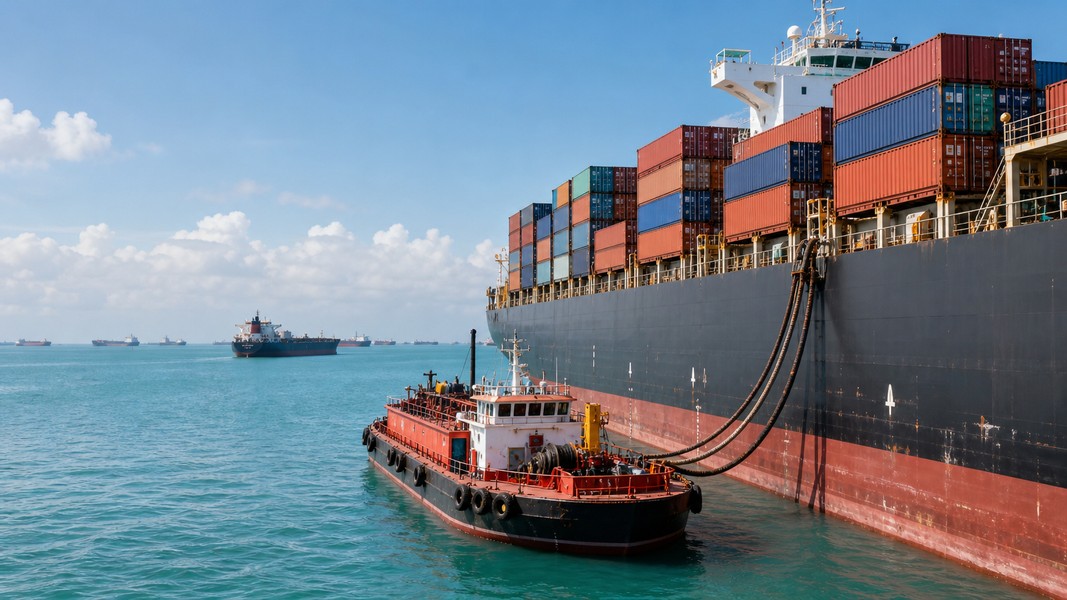
Displacement hulls push water aside as they move through it. Deep and rounded, they are very stable and buoyant. They are common for container ships, tankers, and fishing vessels. Efficient at slow speeds but resistance rises rapidly as speed increases.
Planing Hulls
Planing hulls are designed to lift out of the water when traveling at higher speeds. They have a flatter bottom and wider beam, so they skim over the surface instead of pushing through the water. This hull type is mainly associated with speedboats and recreational vessels where speed is primary.
Semi-Displacement Hulls
Semi-displacement hulls combine elements of both displacement and planing hulls. They can run efficiently at varying speeds, offering the best trade-off between speed and stability. Such designs are favored for ferries and offshore supply vessels.
Catamaran and Trimaran Hulls
Catamarans and trimarans have two or more hulls, which makes them steadier than single-hulled vessels. This design is often used for recreational purposes and has been extensively adopted in ferry services. Weight is evenly spread across twin and triple hulls, enabling comparatively higher speeds with less fuel.
Hull Structural Members
The ship hull structure has several key members, each performing a specific role to ensure structural integrity and performance.
Keel
The keel is the longitudinal support structure at the bottom of the boat, running from bow to stern. It provides stability and serves as the foundation for other structures like ribs and frames. Understanding the keel is essential context for anyone studying the key parts of a ship.
Frames and Ribs
Frames and ribs are structural supports within the hull that shape and reinforce it. They are either steel or aluminum and placed evenly throughout. Frames assist in distributing loads across the body to resist wave and cargo pressure.
Stringers
Stringers are longitudinal members placed parallel to the keel. They provide strength and stiffness under tension, helping the hull hold its shape. Stringers also support the deck and other structural parts.
Hull Plating
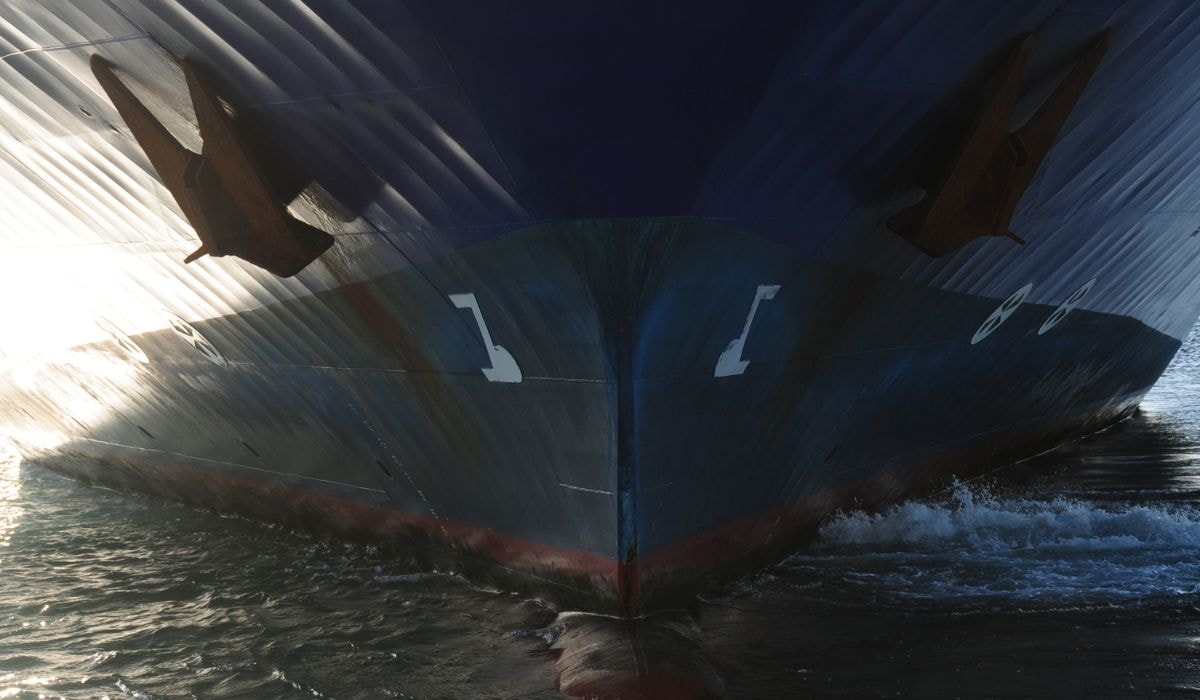
Hull plating refers to the outer cover of the hull, typically made from steel or aluminum. Its purpose is to protect the internal skeleton from water and environmental influences. Plate thickness varies depending on vessel size and intended use.
Engineering Considerations in Hull Design
When designing a ship hull, engineering considerations cover performance, safety, and regulatory compliance.
Load Distribution
Proper load distribution is crucial in hull design. The hull must accommodate cargo, equipment, and crew without losing stability. Engineers use weight distribution analysis to guarantee the center of gravity stays within acceptable limits.
Stress Analysis
Stress analysis determines how the hull responds to forces such as waves, winds, and cargo shift. Engineers use simulation tools to predict how the hull behaves under varying conditions to ensure it can withstand the marine environment.
Corrosion Protection
Ship hulls, especially steel ones, are vulnerable to corrosion. Shipbuilders fight corrosion using protective coatings and treatments, such as galvanized protection and epoxy paints. Regular inspections help identify problems before they become significant.
Regulatory Compliance
Ship hulls must comply with standards set by marine bodies such as the IMO and ABS. These specifications range from structural integrity requirements to safety attributes, ensuring that design and construction meet specific criteria.
Future Trends in Ship Hull Design
Technological advancement is reshaping hull design toward efficiency, sustainability, and performance.
Advanced Materials
New materials, such as high-strength alloys and bio-based composites, are changing hull construction. The latest generation offers better performance, lighter weight, and extended durability, enabling new design approaches.
Computational Design Tools
AI and machine learning are now integrated into computational design tools, changing how hull forms are designed and analyzed. These tools allow faster scenario simulation and optimization than traditional methods.
Sustainable Practices
The maritime industry is shifting toward sustainability. Hull design increasingly focuses on hydrodynamic performance optimization to reduce fuel consumption and emissions. Shipbuilders are also exploring renewable energy sources such as solar and wind power as supplementary propulsion modes.
Autonomous Vessels
Autonomous vessels are changing the nature of ship hull design. Designers must optimize hulls for stability and maneuverability while housing modern navigation control systems. Sensor placement and data transmission have become integral considerations in hull structure for autonomous vessels.
Knowledge of ship hull structures is essential for anyone involved in engineering, shipbuilding, or maritime operations. The process of designing and building hulls is complex, balancing buoyancy, stability, materials, and hydrodynamics. For those interested in the full range of vessel types built around these principles, explore our guide to the different types of ships in operation today.
With advancing technology and sustainability goals, ship hulls are expected to evolve into shapes that ensure vessels remain efficient, safe, and well-positioned for modern maritime operations.
Most Recent Posts
Discover more articles from our blog.