



Ship Draft Explained: What It Means and Why It Matters
Ship draft is the vertical distance from the waterline down to the lowest point of a vessel's keel. Put simply, it tells you how deep a ship sits in the water at any given moment.
This single measurement shapes every decision a captain makes when entering a port, transiting a canal, or approaching a shallow anchorage. You'll also see it listed in ship tracking apps like Primo Nautic as part of a vessel's AIS data, right alongside speed, heading, and estimated arrival. If you've ever wondered what that number actually means and why it changes, this guide breaks it down.
What Ship Draft Measures
Draft is expressed in either feet or meters, depending on the vessel and the region. The number represents the minimum water depth required for the ship to float without grounding. A cruise ship showing a draft of 8 meters needs at least 8 meters of water beneath it to move safely.
The measurement is taken from the waterline down to the keel, which is the structural spine running along the very bottom of the hull. A deeper draft means the ship displaces more water, which means it needs deeper passages to navigate safely. This is why two ships of similar length can have very different draft requirements based on how they're built and loaded.
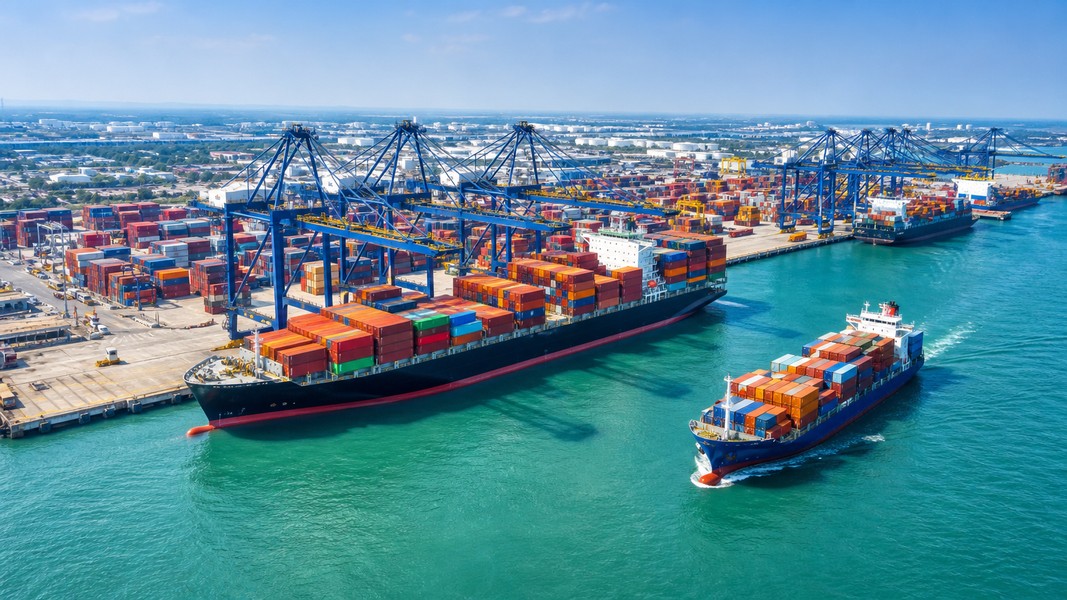
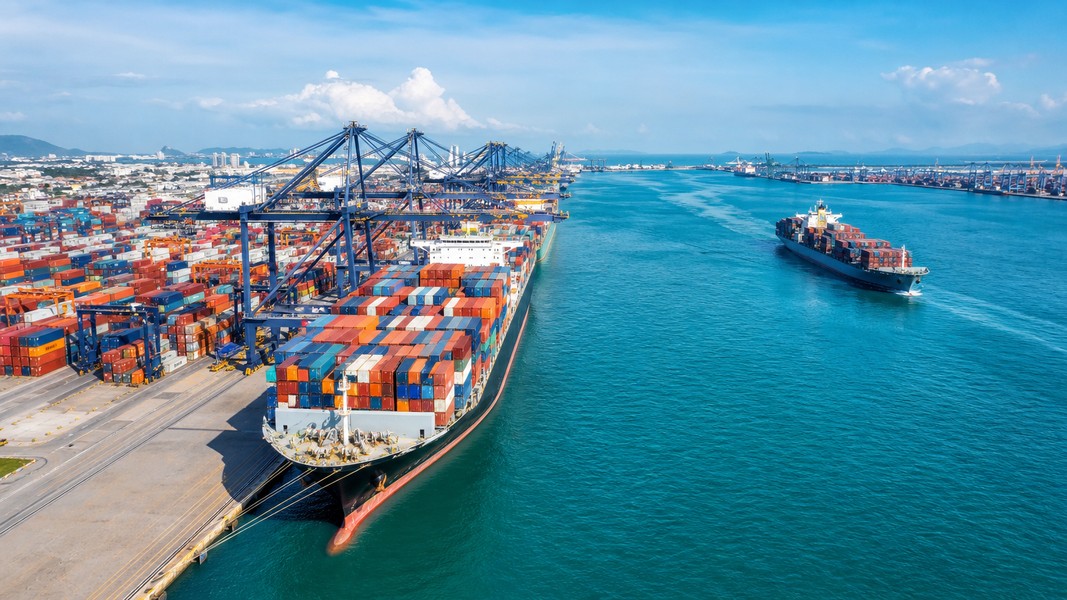
Vessel type shapes draft more than almost anything else. A typical cruise ship sits at 7.5 to 8.5 meters (roughly 25 to 28 feet) when loaded with passengers and supplies. A large container ship fully loaded can reach 15 meters or more, about 50 feet, requiring specialized deep-water ports and channels. Bulk carriers hauling heavy ore or grain fall somewhere in between depending on their load.
Types of Draft: Loaded, Light, and Air
Draft isn't a fixed number. It changes constantly based on what the ship is carrying and what it has consumed.
Loaded draft is the deepest point the vessel reaches under normal operations, when it's carrying a full cargo or a full complement of passengers and provisions. This is the figure that determines which ports and waterways the ship can safely access.
Light draft (also called ballast draft) is the shallower measurement when the vessel is running empty or nearly empty. A container ship that sits at 14 meters loaded might rise to 9 or 10 meters in ballast. Lighter draft means better fuel efficiency and easier maneuverability, but an empty ship also needs ballast water in its tanks to maintain stability and control.
Air draft is a separate but related measurement: the height of the tallest point on the vessel above the waterline, typically the top of the mast, funnel, or radar antenna. Modern cruise ships can have air drafts exceeding 55 meters, and this matters whenever a vessel must pass under a bridge, overhead cable, or low canal structure. Both figures, water draft and air draft, have to be calculated together before any passage.
How to Read Draft Marks on a Ship's Hull
Draft marks are large numerals painted directly on the hull at the bow, stern, and amidships. They're designed to be read from the water, by pilots boarding the vessel or tugboat crews positioning it in port.
Each number indicates the draft at that specific point along the hull. A reading of 8 at the stern and 6.5 at the bow, for example, tells the officer that the ship is trimmed by the stern, meaning it sits lower at the back than the front. This kind of uneven trim affects handling and sometimes needs to be corrected before entering a confined channel.
Most international vessels use metric draft marks, though older ships and some vessels operating primarily in U.S. waters still display measurements in feet. Officers cross-reference the marks against the vessel's loading tables to calculate whether the current draft is safe for the intended route.
The marks connect directly to the Plimsoll Line on the hull. The Plimsoll Line establishes the maximum legal loading depth under different seasonal and geographic conditions, and draft marks let crew verify compliance before departure.
Why Ship Draft Matters for Navigation
Ports, channels, and waterways all have maximum allowable draft limits, determined by the depth of the water and the safety margin required above the seabed. The gap between the ship's draft and the bottom is called underkeel clearance, and maritime regulations typically require a minimum of 0.3 to 0.6 meters of clearance even in calm conditions.
Canal transit restrictions are among the clearest examples of draft in action. The Suez Canal accommodates vessels up to approximately 20.1 meters of draft for fully laden ships. The Panama Canal limits transiting vessels to around 15.2 meters depending on water levels in Gatun Lake, the freshwater section of the route. Ships that exceed these limits cannot use the canals at all and must reroute around entire continents, adding thousands of nautical miles and significant fuel costs to the voyage.
Port depth restrictions work the same way. Many Caribbean resort destinations served by cruise ships have harbors dredged to accommodate drafts of roughly 7.5 to 8 meters. A ship with a 9-meter draft simply cannot enter those ports. This is one reason cruise lines design ships specifically to access the most popular itinerary destinations, keeping draft within the limits of the ports their routes require.
There's also a physics effect called the settlement effect that catches out operators who assume static calculations are enough. According to NOAA research, as a vessel accelerates in shallow water, the water level around the hull drops, effectively reducing underkeel clearance beyond what the depth charts suggest. A ship with plenty of margin at low speed can create grounding risk at full speed in the same channel.
Draft restrictions also influence ship design at the most fundamental level. The International Maritime Organization sets international standards for load line calculations, which tie directly to draft. Shipbuilders optimize hull geometry for the specific routes a vessel will travel, keeping maximum draft within the limits of the ports and canals on that trade lane.
How Draft Changes During a Voyage
Draft isn't static from the moment a ship departs. Several factors change it throughout the voyage.
Fuel consumption is the most gradual. A large vessel burning 50 metric tons of heavy fuel oil per day will lose roughly that weight, which means it rises slightly in the water over the course of a long passage. A seven-day ocean crossing can reduce draft by half a meter or more, which matters when port entry calculations were made based on departure draft.
Loading and discharging cargo produces much larger and faster changes. A container ship offloading 1,500 TEUs at an intermediate port can shed several meters of draft in a single port call. This is tracked carefully by port agents and cargo planners who need to confirm that the vessel's draft will be safe for the next leg.
Water density adds another layer of complexity. Saltwater is denser than freshwater, which means ships float higher in the ocean than in rivers or freshwater lakes. The same vessel with the same cargo will sit roughly 0.3 to 0.5 meters deeper when it moves from ocean water into a river estuary or a freshwater canal. This effect is called the freshwater allowance, and it's calculated any time a ship transitions between saltwater and freshwater environments. The gross tonnage of the vessel determines how large this allowance needs to be.
Panama Canal operators account for this every day, because Gatun Lake is freshwater and ships float deeper there than they do in the Pacific or Atlantic approaches.
Temperature also plays a minor role. Warm tropical water is slightly less dense than cold North Atlantic water, meaning the same ship will sit marginally deeper in a Caribbean port than it does in a Norwegian fjord. The difference is small, typically a few centimeters, but it's factored into precise calculations for vessels loading to their maximum legal draft. Naval architects account for these regional density differences when designing vessels for specific trade routes.
Draft Data in Ship Tracking Apps
When you open a vessel's profile in a ship tracking app, draft appears in the vessel details panel alongside speed, course, and destination. This figure comes from the ship's AIS transponder, which broadcasts it along with the vessel's position and identity.
Draft is included in AIS data because it's essential for port operations and navigation safety. Harbor traffic controllers use it to assign berths and calculate approach routes. Nearby vessels use it to understand a ship's shallow-water limitations, particularly in constrained fairways. Cargo monitors use it to infer loading status.
In Primo Nautic, draft appears as part of the vessel's extended data when you look up a ship by name, MMSI, or IMO number. For cargo monitoring purposes, a change in reported draft between port calls can indicate that a ship has taken on or discharged cargo even without a formal port record. For cruise families tracking a loved one's ship, the draft figure helps confirm the vessel is operating normally at its expected loaded condition.
It's worth knowing that draft data in AIS is self-reported by the vessel's crew rather than independently verified. The number reflects what has been entered into the ship's navigation systems. In most cases this is accurate, but errors do occur, and the figure can lag behind real-time changes after cargo operations.
Conclusion
Ship draft is one of the most practical pieces of data in maritime operations. It determines which ports a vessel can enter, which canals it can transit, and how carefully the master must calculate approach routes. It changes constantly throughout a voyage as fuel burns, cargo moves, and water density shifts.
When you see draft listed in a tracking app, you're looking at a live measurement of how deeply the ship is sitting in the water right now. That single number connects directly to channel depth charts, canal restrictions, safety regulations, and the decisions happening on the bridge at that very moment.
Most Recent Posts
Discover more articles from our blog.