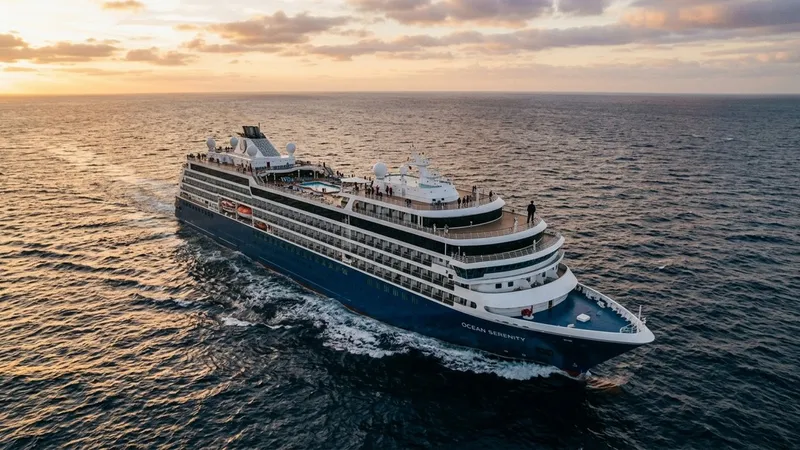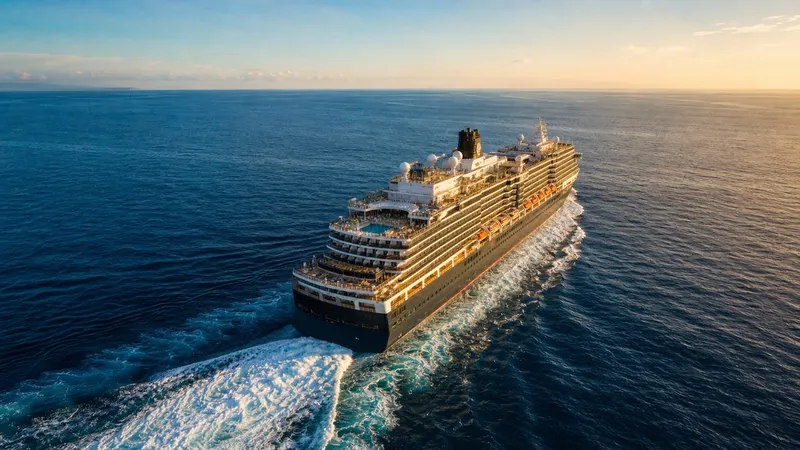
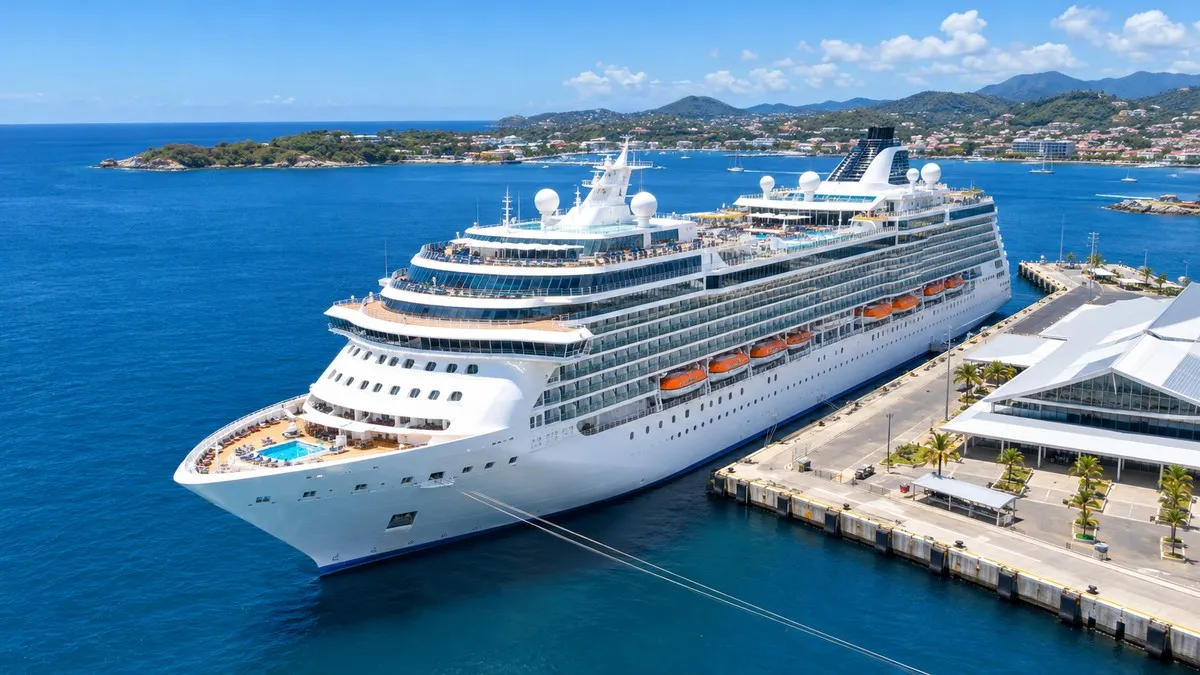
Norovirus on cruise ship voyages is real but rarer than the headlines suggest. The CDC says norovirus causes over 90% of diarrheal outbreaks on cruise ships, yet those shipboard outbreaks make up only about 1% of all norovirus outbreaks reported. In 2025 the CDC logged 23 gastrointestinal outbreaks on ships under its watch, and 17 of them were norovirus.
If you are about to sail, or someone you love is already at sea, those two facts sit uneasily together. This guide puts the numbers in order: how an outbreak is counted, how many there have been since 2024, which sailings were hit hardest, and the handful of habits that actually lower your risk.
Norovirus Cruise Ship Outbreaks: The Key Numbers
Here is the short version before the detail. Every figure below comes from the CDC or from reporting on CDC data.
| Measure | Figure | Source |
|---|---|---|
| Share of cruise diarrheal outbreaks caused by norovirus | Over 90% | CDC |
| Share of all reported norovirus outbreaks that happen on cruise ships | About 1% | CDC |
| Norovirus outbreaks reported in the US each year, all settings | About 2,500 | CDC |
| Cruise ship norovirus outbreaks in 2024 | 16 | CIDRAP |
| Cruise ship GI outbreaks in 2025, and norovirus among them | 23, of which 17 | CBS News |
| Cruise ship GI outbreaks in 2026, to the CDC update of July 23 | 9, of which 5 norovirus | CDC |
The pattern is steady rather than explosive: roughly one norovirus outbreak a month on ships the CDC oversees, against a backdrop of millions of passengers. Cruising itself kept growing over the same period, with 37.7 million people taking a cruise in 2025 and 39.6 million forecast for 2026, according to an industry summary from Cruise News.
How the CDC Counts a Cruise Ship Outbreak
The numbers above all come from one place, the CDC's Vessel Sanitation Program, usually shortened to VSP. Knowing its rules tells you what the counts include and what they leave out.
The 3% rule
The VSP posts an outbreak on its public list when two conditions are met. The ship must sail under VSP jurisdiction, which means an itinerary that includes both US and foreign ports. And 3% or more of the passengers or crew on that voyage must report gastrointestinal symptoms to the ship's medical staff.
A case is not just an upset stomach. The CDC's case definition is three or more loose stools within 24 hours, or vomiting together with one other symptom such as diarrhea, muscle ache, headache, abdominal cramps or fever. Ships are required to report these cases, which is why the official outbreak list is so detailed.
Why your ship might not be on the list
Passengers sometimes come home convinced their sailing had an outbreak, then find nothing posted. The CDC gives three reasons. The number of sick people may have stayed under 3%. The outbreak may have gone undetected because people did not tell the medical center they were ill. Or the ship may simply sit outside VSP jurisdiction, such as a European or Asian itinerary with no US port call.
So the public list is a floor, not a complete count of every stomach bug at sea. It captures the larger events on ships that touch the US.
Norovirus Outbreaks on Cruise Ships by Year
Looking at three years side by side shows how stable the picture is. The 2026 figure only runs to the CDC's July update, so it covers about seven months.
| Year | GI outbreaks posted | Caused by norovirus | Notable detail |
|---|---|---|---|
| 2024 | 18 | 16 | 5 in December sickened 890 people |
| 2025 | 23 | 17 | Up from 2024 |
| 2026 (to July 23) | 9 | 5 | 3 on Princess Cruises ships |
The 2024 norovirus count comes from CIDRAP reporting on CDC data, which noted that five December outbreaks alone sickened 890 passengers and crew. CIDRAP also points out that norovirus outbreaks peak from November to April. The all-cause totals of 18 for 2024 and 23 for 2025 come from Cruise News and CBS News respectively; Cruise News puts 2025 at 22, so expect one outbreak of difference between tallies. That seasonality matters right now, because the busiest stretch of the year for cruise norovirus is about to begin.
What 2026 looks like so far
The CDC's outbreak list for 2026 shows nine posted outbreaks through mid July. Five were norovirus, two were E. coli and two had no confirmed cause.
Two details stand out. Princess Cruises had three norovirus outbreaks, on the Star Princess in March, the Caribbean Princess in late April and May, and the Ruby Princess on a June and July Alaska voyage. And Lindblad Expeditions' small National Geographic Sea Bird appears four times between late May and mid July, two of them norovirus and two unknown.
Back-to-back listings on one ship fit what the CDC describes: repeated outbreaks on consecutive cruises can come from infected crew or from virus left in the environment.
The Largest Recent Outbreaks by Attack Rate
Raw case counts depend on ship size, so the share of passengers who fell ill tells you more. These are among the sailings the CDC recorded in detail.
| Ship | Sailing | Passengers ill | Crew ill |
|---|---|---|---|
| Serenade of the Seas | Sep 19 to Oct 2, 2025 | 128 of 1,874 (6.8%) | 7 of 883 (0.8%) |
| Queen Mary 2 | Dec 14 to 21, 2024 | 138 of 2,430 (5.7%) | 12 of 1,237 (1.0%) |
| Eurodam | Dec 30, 2024 to Jan 8, 2025 | 109 of 2,139 (5.1%) | 13 of 832 (1.6%) |
| Zuiderdam | Dec 4 to 14, 2024 | 87 of 1,923 (4.5%) | 4 of 757 (0.5%) |
The Ruby Princess outbreak in mid 2026 reached 102 passengers and 23 crew, about 3.4% of passengers, as reported by Cruise Law News. It was the seventh posted outbreak of the year at that point.
Even in the worst of these sailings, more than nine in ten passengers stayed well. Crew rates were lower than passenger rates on every one of these sailings.
Why Norovirus Spreads So Easily on a Cruise Ship
Norovirus is the leading cause of vomiting and diarrhea in the United States, with an estimated 19 to 21 million illnesses a year according to CIDRAP. A cruise ship gives that virus several advantages at once.
Close quarters and shared spaces
The CDC lists the main reasons on its norovirus outbreak page: close living quarters, shared dining areas and the rapid turnover of passengers. Many people touch the same buffet tongs, elevator buttons and stair railings within hours.
It comes aboard from shore
Most cruise outbreaks do not start at sea. The CDC says norovirus can be brought on board in contaminated food or water taken on at port, or by passengers who were infected ashore before they embarked. Every new boarding day is a new chance for the virus to arrive.
It survives cleaning
Norovirus can persist on surfaces for days or weeks and resists many common disinfectants. That is why a ship that had an outbreak on one voyage can carry it into the next, and why crews switch to deep sanitation routines once cases rise.
Are Cruise Ships Worse Than Land?
The "cruise ship virus" nickname suggests ships are uniquely dangerous. The data says they are mostly uniquely visible.
The CDC's own figures put shipboard outbreaks at about 1% of the roughly 2,500 norovirus outbreaks reported in the US each year. The other 99% happen ashore and rarely make headlines. A cruise outbreak simply has a name, a ship and a passenger count, which makes it news.
Ships detect outbreaks faster
The CDC's cruise illness FAQ explains why outbreaks are found and reported more quickly on a ship than on land. Crew are required to tell medical staff about symptoms immediately, a rule rarely in place for workers ashore. Ships must report certain illnesses. And the VSP can start a response without waiting for laboratory results, while most land health departments have to wait.
In other words, a land outbreak of the same size often goes uncounted. The ship's version gets a public web page.
How to Avoid Norovirus on a Cruise Ship
You cannot control who boards with you, but a few habits make a measurable difference. These come straight from CDC guidance for cruise passengers:
- Wash your hands with soap and water before eating and after using the bathroom, changing diapers or touching shared surfaces such as stair railings.
- Do not rely on hand sanitizer alone; the CDC specifically tells passengers to wash instead.
- Avoid touching your face, especially after the buffet line or a handrail.
- Drink plenty of water and get enough rest so your body is not already run down.
- Leave the area if you see someone vomit or have diarrhea, and let the crew clean it.
- Tell the ship's medical center if you feel sick, even if it seems minor.
Soap and running water is the single habit that matters most, because the CDC tells passengers not to rely on hand sanitizer. Norovirus also resists many common disinfectants, so clean hands do more than a quick squirt of gel.
Timing your sailing
Since outbreaks cluster from November to April, a winter sailing carries a higher baseline risk than a summer one. That is not a reason to cancel, but it is a reason to be strict about handwashing from the first day rather than waiting for an announcement. Our first cruise tips cover the other habits worth starting on embarkation day.
What Happens If You Get Sick Onboard
The CDC is direct about this: report it. Go to the medical center, or call it from your cabin, as soon as vomiting or diarrhea starts.
Isolation in your cabin
If the medical team asks you to stay in your cabin, the CDC asks you to do so. VSP standards require passengers and crew with certain symptoms to isolate for a short period. It costs you part of a holiday, but it protects young children, older adults and people with weakened immune systems on the same ship, and it helps prevent events from being cancelled for everyone.
Children and seasickness
Parents often assume a child who is throwing up is just seasick. The CDC warns against that assumption: take the child to the medical center so staff can check the symptoms, because treating a contagious illness as motion sickness can spread it to others.
After you get home
If you fall ill after the cruise ends, see a doctor and mention that you were recently on a cruise. Positive results for certain pathogens reach the VSP through the health department, which lets it follow up with the cruise line. Medical costs at sea and missed days are also why a solid cruise travel insurance policy is worth reading closely before you sail.
When Someone You Love Is on an Affected Ship
News of an outbreak hits differently when your partner, parent or child is on that ship. The CDC list tells you whether an outbreak was posted and how many people reported symptoms, but it does not tell you where the ship is or whether it is running late.
Primo Nautic fills that second gap. You can follow the ship live by name, MMSI or IMO number and choose the Loved One on Cruise tracking purpose, which gives calm, plain-language updates on the voyage, the weather at the ship's position and its expected arrival.
An outbreak also leaves families wondering whether the voyage is still on schedule. Primo Nautic compares the captain's reported ETA with its own route-based estimate and sends delay notifications, so you know when to expect the ship back rather than refreshing a map. For seafarer families with someone working aboard, the Loved One Working at Sea purpose does the same with a more supportive tone.
What the Numbers Say
Norovirus is the dominant cause of illness outbreaks on cruise ships, responsible for 17 of the 23 the CDC posted in 2025 and 5 of the 9 posted in 2026 through July. Yet cruise ships account for only about 1% of all reported norovirus outbreaks, and their high profile owes as much to fast, mandatory reporting as to actual risk.
The worst recent sailings saw roughly 5% to 7% of passengers fall ill, and outbreaks peak between November and April. The habits that protect you are simple and backed by the CDC: wash with soap and water rather than relying on sanitizer, keep your hands away from your face, report symptoms early and follow isolation advice if you get sick.