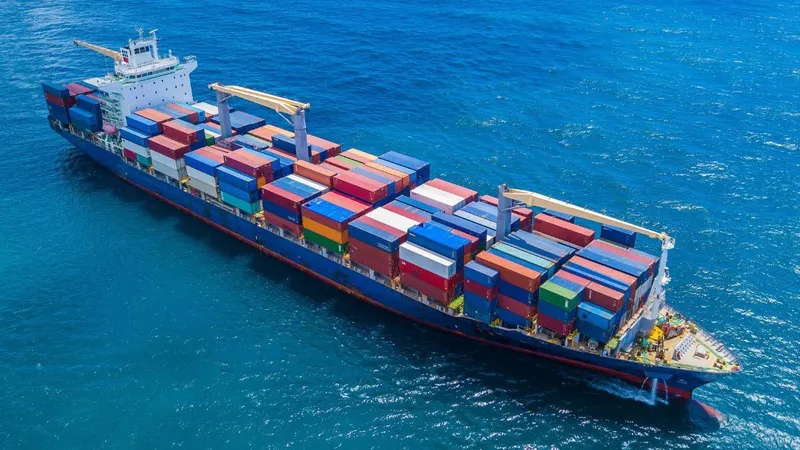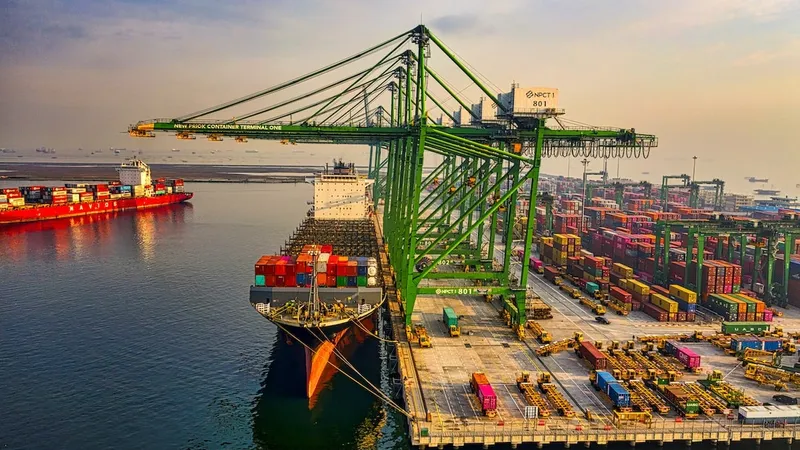
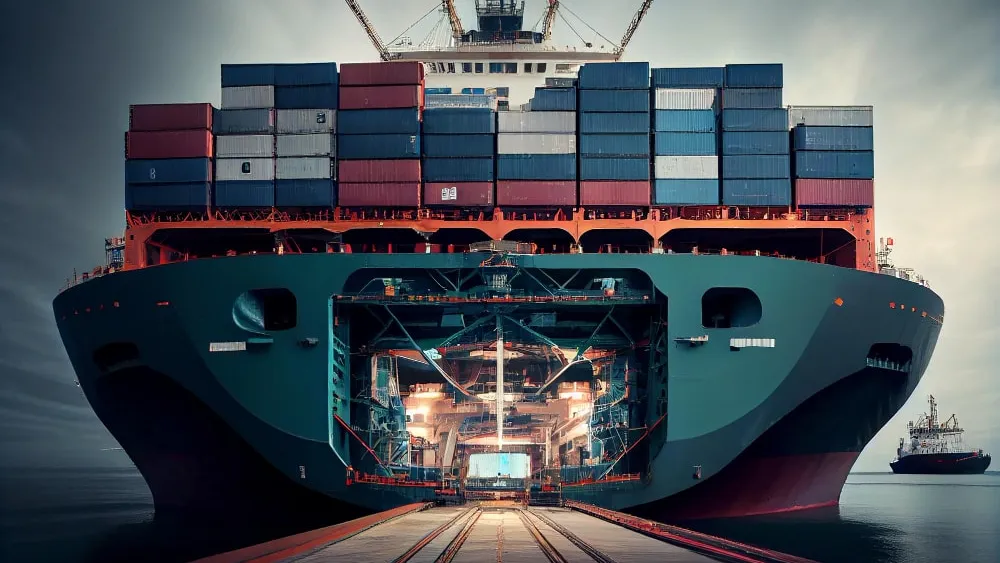
The maritime industry is the global network of ships, ports, shipbuilders, and support services responsible for moving goods and people across oceans. It encompasses commercial shipping, marine engineering, port operations, offshore energy, and environmental services. Over 90% of the world's trade (approximately 11 billion tons of cargo each year) moves by sea, making the maritime sector the backbone of the global economy.
The term "maritime" refers broadly to anything connected to the sea, particularly navigation and shipping. But the industry itself is far more than vessels: it includes the 800+ major ports that receive them, the shipyards that build and repair them, the 1.9 million seafarers who crew them, and the logistics systems that coordinate every voyage.
Why is the maritime industry dubbed as the backbone of global trade?
In this modern world where all it takes is a click of a button to get the goods, products, and services you need, it's easy to forget that this kind of life is made possible thanks to global supply chains.
The maritime industry tends to go unnoticed, even though roughly 95% of the trade across the globe gets transported by sea. This article covers what the industry includes, why it matters, and how to build a career in it.
The Maritime Industry at a Glance
The maritime industry transports people, products, and goods by sea. These may include oil tankers, container ships, passenger ferries, cruise ships, and smaller vessels such as fishing boats.
Beyond transportation, the maritime sector plays a vital role in global infrastructure. It enables the exchange of resources, fuels, and raw materials between nations and continents. Maritime routes are the arteries of the global economy, connecting even the world's most remote regions.
The modern maritime industry includes transportation, marine engineering, port operations, maintenance and repair, and shipbuilding.
The Maritime Industry's Role in Global Trade
The shipping industry transports over 90% of global trade volume (approximately 11 billion tons annually) using around 50,000 merchant vessels. The United Nations Conference on Trade and Development reports that maritime transport makes up 80% of global trade volume and more than 70% of global trade value.
The maritime industry's global network is also pivotal in supply chain resilience. Disruptions to maritime transport (port closures, ship accidents, or geopolitical tensions) can have far-reaching effects on goods availability worldwide, as seen during the COVID-19 pandemic when port congestion and container shortages drove up freight rates globally.
This industry also directly supports more than 1.5 million jobs worldwide, and indirectly interfaces with approximately 20 million more workers including marine engineers, shipbuilders, port workers, and shore-based staff.
The Maritime Industry Opens Doors for Employment
The International Maritime Organization (IMO) estimates that over 1.9 million seafarers, including ratings and officers, are employed at sea worldwide. The maritime industry also pays mariners an average of 30% higher than the average salary in most countries.
Merchant seafarers follow a rank structure governed internationally by the STCW Convention. Every position from Captain to Ordinary Seaman holds defined responsibilities, required certificates, and a clear progression path. For a full breakdown, see merchant seaman ranks and ship hierarchy by department.
Importance of the Maritime Industry in Protecting the Environment
The shipping industry is responsible for around 2.9% of global GHG emissions, yet it transports over 90% of global trade, making it the most carbon-efficient mode of bulk freight transport per ton-kilometer.
The maritime sector has increasingly prioritized sustainability and environmental stewardship in recent years. Innovations such as low-emission vessels, alternative fuels (LNG, ammonia, methanol), and energy-efficient technologies are being adopted to reduce the industry's carbon footprint. The IMO's target is to reduce GHG emissions from shipping by at least 50% by 2050 compared to 2008 levels, and the sector is actively investing in the infrastructure to meet it.
Challenges in the Maritime Industry
Despite its crucial role in global trade, the maritime industry faces several challenges. Economic downturns can reduce demand for goods and lower shipping volumes, which can result in lower revenues for shipping companies. The COVID-19 pandemic demonstrated how quickly disruptions can cascade across global supply chains.
Another ongoing challenge is balancing development and growth with environmental sustainability. The shipping industry is implementing initiatives to reduce its environmental impact: waste reduction programs, cleaner fuels, and energy-efficient ship designs.
Promising Opportunities in the Maritime Industry
The future of the maritime sector is tied to trade, technology, and sustainability. Autonomous vessels, digital navigation tools, and innovations in logistics management are transforming maritime operations. The global push for greener transportation creates further opportunities in offshore renewable energy, particularly offshore wind farms that require specialized service vessels and port infrastructure.
The industry also offers significant opportunities in digital maritime services. Real-time ship tracking tools powered by AIS data allow operators, port authorities, and maritime professionals to monitor vessel movements, voyage progress, and fleet status from anywhere in the world.
How to Be Involved
If you want to be part of the maritime industry, here are the practical steps:
- Watch for opportunities. The industry is growing, and motivated candidates can find roles in operations, engineering, logistics, port management, and technology.
- Begin your training. Seafarer roles require STCW certification. Shore-based roles may require maritime management, engineering, or logistics qualifications.
- Consider career paths. Today's maritime industry has rewarding career paths including port manager, ship captain, marine engineer, and maritime technology roles. Learn the different ranks and pick the path that fits your skills.
Global Trade Won't Exist without the Maritime Industry
The maritime industry is one of the most essential sectors in the global economy, responsible for moving commodities and goods across continents. Despite challenges around sustainability and economic cycles, the industry continues to invest in infrastructure, innovation, and environmental compliance, and remains the primary enabler of international trade for the foreseeable future.