
If you’ve ever been involved in an accident on land, chances are you already know that rescue work usually starts in minutes or even hours, depending on your location. Skilled professionals will soon rescue you and administer further treatment as needed.
But what if you happened to be at sea when the accident occurred?
The vast expanse of the sea and its somewhat unpredictable nature require anyone who ventures into its realm to be always prepared and respectful. Mariners, including casual boaters and seasoned sailors alike, should arm themselves with the necessary tools and knowledge to guarantee their safety and the entire crew’s safety.
Life-saving appliances, or LSAs, at sea are essential as they serve as the main line of defense against the sea and all its perils.
Life-saving appliances at sea include many equipment meant to ensure that no life is lost at sea. They are further divided into sub-categories, including lifeboats, life rafts, personal life-saving equipment, and signaling devices.
The following are the most common types of life-saving appliances at sea.
Collective Life-Saving Appliances
Lifeboats
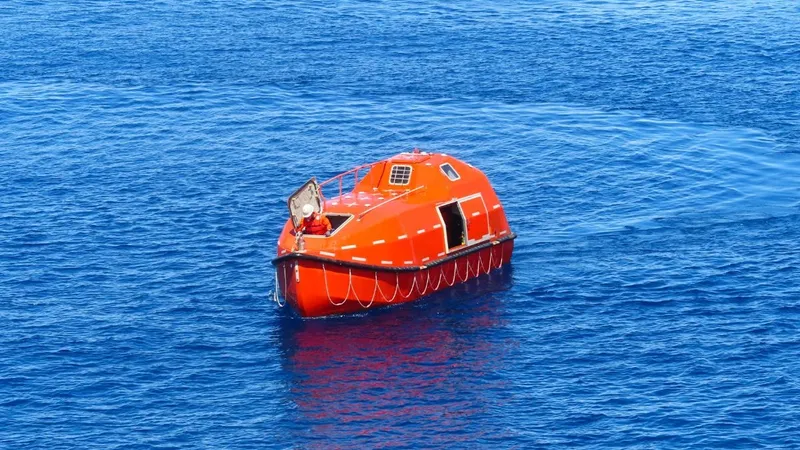
A lifeboat is a rigid boat typically motorized and used to evacuate from a ship. It has been designed to endure harsh sea conditions and offer survivors sustenance and shelter. Modern lifeboats are already equipped with different survival equipment, including water, food rations, signaling devices, and first aid kits. Some lifeboats are also enclosed to keep the occupants protected from the elements at sea.
Life Rafts
A life raft is an inflatable, compact substitute for lifeboats. It is deployed automatically when a ship sinks and has enough room for multiple people. These life rafts also have different survival gear, such as signaling devices, water, and food. They also feature canopy covers to protect the occupants from the rain and sun.
Personal Life-Saving Appliances
Immersion Suits
Also known as survival suits, immersion suits are designed to protect the wearer from hypothermia, even in cold water. They offer buoyancy and thermal insulation to help people survive longer in freezing conditions or environments. Immersion suits are mandatory on most commercial vessels that operate in cold areas.
Life Buoys
Life rings, or buoys are throwable devices to rescue people who fall overboard. They often feature light and reflective tape that keeps them visible even in low-light conditions.
Personal Flotation Devices or PFDs and Life Jackets
Life jackets are the most essential and fundamental life-saving appliances at sea. They are meant to keep their wearer afloat and in a position that keeps the water out of the airway.
There are different types of life jackets, each designed for different activities and conditions. Type I life jackets, for example, are known for having the highest buoyancy and are made especially for rough and open waters where rescue delays may occur during accidents.
PFDs, or Personal Flotation Devices, may share some similarities with life jackets, but the only difference is that they tend to be more versatile and comfortable. These qualities make them ideal for many activities, including sailing and kayaking. PFDs also come in numerous styles, including inflatable varieties that allow the wearer to move more freely.
Signaling Devices
Communication Devices
During emergencies, nothing can beat the importance of effective and clear communication. Satellite phones, VHF radios, and other communication devices allow mariners to coordinate rescue efforts and call for help.
Automatic Identification System (AIS) transponders broadcast the vessel’s position, making it visible to rescue teams and other ships.
Distress Signals
Distress signals are crucial to attract attention and facilitate rescue operations. These often include pyrotechnic devices like rockets and flares, which can produce smoke or bright lights that can be seen even from a distance.
Electric distress signals, such as Emergency Position-Indicating Radio Beacons (EPIRBs), use satellites to send distress signals and alert rescue teams.
Standards and Regulations
The International Maritime Organization (IMO) dictates the worldwide standards for life-saving appliances at sea through the International Convention for the Safety of Life at Sea (SOLAS). SOLAS commands that life-saving appliances be carried and maintained on different types of vessels to ensure their preparedness during emergencies.
The following are the critical regulations regarding life-saving appliances at sea:
- Maintenance and Inspection
Regular maintenance and inspection of life-saving appliances are essential to keeping them functional and practical. SOLAS mandates routine servicing, replacement, and checking of equipment to ensure that it is always in tip-top condition. Mariners should also be familiar with inspection procedures and schedules to adhere to these regulations.
- Life-Saving Appliances Code or LSA Code
The LSA Code provides detailed life-saving appliance design, construction, and performance requirements. It covers everything from life jackets and immersion suits to lifeboats and rafts. Compliance with the LSA Code ensures that the equipment meets international safety standards.
- Drills and Training
Proper training and drills are essential for the effective use of life-saving appliances. SOLAS requires crew members to undergo regular training in using life-saving equipment and participate in emergency drills. These drills help familiarize the crew with emergency procedures and ensure a swift and coordinated response in real situations.
Other Practical Tips for Mariners
Aside from regulatory compliance, mariners should adopt best practices to enhance safety at sea. Here are some practical tips for using life-saving appliances effectively:
Emergency Communication
See that communication devices like EPIRBs and VHF radios are in working order and readily accessible. Test these devices regularly and keep spare batteries or charging equipment handy.
Equipment Accessibility
Life-saving appliances at sea should be easily accessible during emergencies. Always keep the life jackets, life buoys, and other equipment in well-marked designated locations. Perform regular checks to ensure they are not obstructed or damaged.
Inspection and Maintenance
Follow the schedules for the inspection and maintenance of all life-saving appliances. Check for wear and tear and replace any expired or damaged equipment immediately. Keep a detailed log of all maintenance activities and inspections.
Personal Preparation
Ensure that PFDs and life jackets fit correctly and are always worn on deck or in hazardous conditions. Familiarize yourself with the proper use of inflatable PFDs and practice putting on immersion suits faster.
Regular Drills
Take part in regular emergency drills to practice using life-saving appliances. Drills should simulate realistic scenarios like man-overboard situations, lifeboat launches, and distress signal operations.
Technological Advancements in Life-Saving Appliances
The maritime industry continually evolves, with technological advancements enhancing the effectiveness of life-saving appliances. Some notable innovations include the following:
Advanced Signaling Devices
The development of more sophisticated signaling devices, such as advanced EPIRBs and personal locator beacons (PLBs), has improved the accuracy and speed of distress signal transmission. These devices use satellite technology to provide precise location data to rescue authorities.
Enhanced Survival Suits
Advances in materials and design have led to more effective immersion suits that offer better thermal protection and buoyancy. These suits are also lighter and more comfortable, encouraging their use in cold water environments.
Inflatable Life Rafts
Inflatable life rafts have become more reliable and more accessible to deploy. Innovations include automatic inflation systems, improved stability, and enhanced survival kits that provide better sustenance and signaling options.
Smart Life Jackets
Modern life jackets are increasingly equipped with integrated safety features such as GPS, AIS, and built-in distress signals. These bright life jackets enhance the visibility of distressed individuals and facilitate faster rescue operations.
The Bottom Line
The importance of life-saving appliances at sea cannot be overstated. They are the first line of defense in emergencies, providing crucial support and protection to distressed mariners. Understanding the types of life-saving appliances, adhering to regulations, and adopting best practices are essential for ensuring safety at sea.
As technology advances, the effectiveness of these appliances will continue to improve, offering greater security for those who navigate the world’s oceans. Mariners must remain vigilant, prepared, and knowledgeable about the life-saving tools, ensuring they are ready to face any challenge the sea may present.