


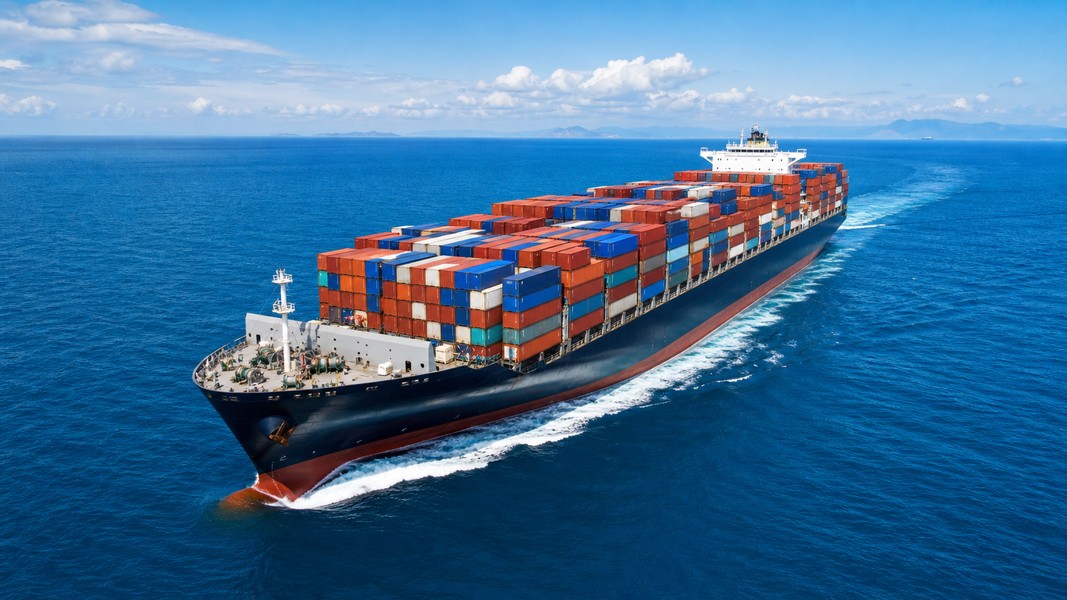
CMA CGM Container Tracking: Follow Your Cargo Live
CMA CGM container tracking lets you follow your cargo from port of origin to final delivery using a combination of carrier milestone updates and live vessel position data. When you search by container number, BL number, or booking reference, you can pinpoint which ship is carrying your shipment and where that vessel is right now.
CMA CGM is one of the world's largest container carriers, operating a fleet of over 590 vessels and serving more than 420 of the world's 521 commercial ports. That scale means your cargo could be moving across virtually any major trade lane, often aboard ships with capacities of up to 24,000 TEU. The bigger the network, the more useful it becomes to track not just the status events, but the live movement of the ship itself.
This guide explains how CMA CGM tracking works, what the official tool shows and what it misses, and how AIS-based vessel tracking fills the gaps that matter most to importers and logistics teams.
How CMA CGM Container Tracking Works
Every CMA CGM shipment can be tracked using one of three identifiers: the container number, the Bill of Lading (BL) number, or the booking reference.
Container numbers follow the ISO 6346 standard, using a four-letter owner prefix, the equipment category letter U, a six-digit serial number, and a final check digit totaling 11 characters. When you enter a container number, the system looks up the specific box and returns milestones tied to it. A BL number identifies the contract of carriage and can link multiple containers under a single shipment, making it the more useful identifier when you are managing a consolidated load. Booking references are helpful early in the shipping lifecycle, though their visibility depends on the tracking platform.
The key distinction to understand is that container tracking and vessel tracking are separate layers of information. Container tracking is about cargo milestones, such as received at terminal, loaded, departed, arrived at transshipment port, discharged, and available for pickup. Vessel tracking is about the ship itself, using AIS signals that broadcast the vessel's live position, speed, course, and navigation status. AIS does not directly report the status of your container inside the ship; it reports where the ship is.
Combining both gives you the most complete picture of where your cargo is and when it will actually arrive.
What CMA CGM's Official Tracking Shows and Where It Stops
The official CMA CGM tracking portal, and most third-party platforms built on carrier data, are designed around milestone events. You can see when a container departed a port, when it arrived at a transshipment hub, and what the current estimated arrival date is for the destination port.
This event-based view is accurate and useful. The limitation is that it shows a series of recorded moments, not continuous movement. Between those milestone events, you have no visibility into what is actually happening with the vessel.
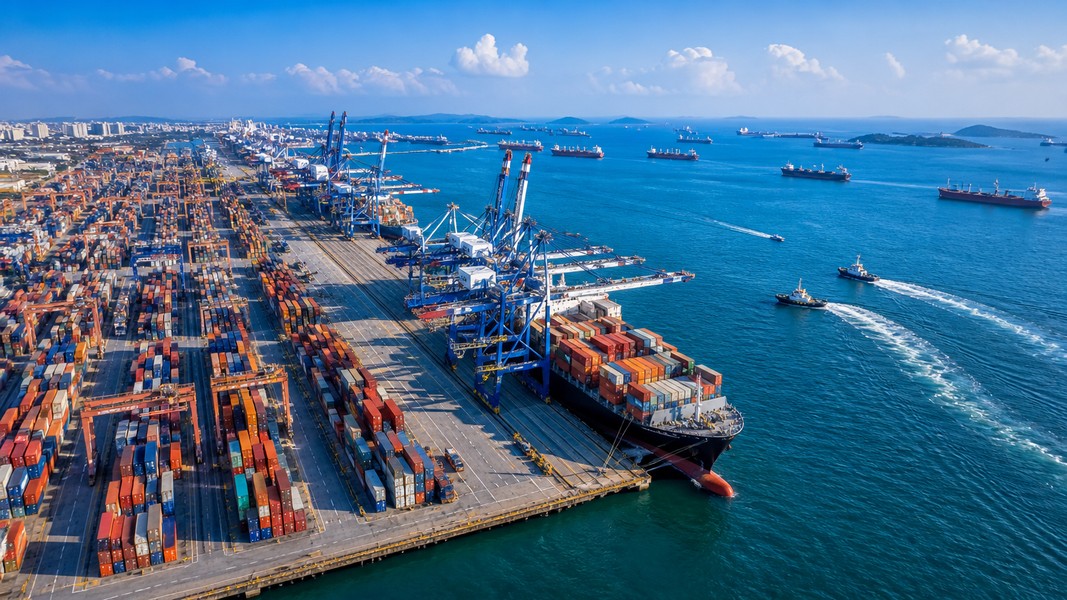
That gap becomes significant in a few scenarios. If a ship is anchored offshore waiting for a berth to open, the official tracker may still show a scheduled ETA that does not reflect the wait time building up. If severe weather is slowing the vessel's progress, the ETA will not update until the carrier manually revises it. Port congestion has become a persistent issue on major trade lanes: industry data from mid-2026 showed that nearly 11% of the global container fleet was waiting at anchorage at any given time, with vessels in Singapore facing average delays of around 40 hours.
A live vessel position layer shows you this in real time. You can see that the ship is anchored 12 nautical miles from the port, not steaming toward it, and adjust your planning accordingly.
How to Track a CMA CGM Vessel in Real Time
AIS-based vessel trackers provide the live position layer that carrier portals do not. Every vessel above a certain size is required to broadcast its identity, position, speed, and course via AIS at regular intervals. That data is collected by shore-based receivers and satellite networks, then made available through tracking platforms.
To track a CMA CGM vessel with an AIS-based tool, you need the vessel name, MMSI number, or IMO number. Once you have identified the ship carrying your container, from the carrier milestone data, you can search for it in any AIS platform and see its current position on a live map.
What AIS-based tracking shows you:
- Live vessel position updated in real time on an interactive map
- Current speed and heading, which indicate whether the ship is steaming normally or has slowed down
- Anchorage status and port approach behavior
- Historical route data showing the path the vessel has taken
Primo Nautic combines this AIS vessel layer with AI-generated insights tailored to your tracking purpose. When you are following a cargo shipment, the app translates raw position data into plain-language updates: whether the vessel is on schedule, what conditions are like at sea, and what the AI-calculated ETA suggests based on current progress. You can also receive delay notifications if the vessel's behavior suggests it will arrive later than the scheduled date.
For a broader overview of how container vessel tracking works in practice, see the guide to following cargo on container ships.
How ETA Predictions Work and Why They Change
ETA for a container shipment is not a single fixed number. It is a rolling forecast that updates as conditions change, and understanding what drives those changes helps you interpret the data correctly.
The scheduled ETA comes from the carrier's sailing schedule, adjusted for actual port call timing. When a vessel departs later than planned, or spends more time at a transshipment port than expected, the downstream ETA shifts. AI-based ETA tools go a step further by incorporating live vessel speed, historical performance on the route, known port congestion, and real-time weather data to generate a confidence-adjusted prediction.
Weather is one of the most common causes of ETA drift. Rough seas, high winds, and reduced visibility all slow vessel speed and can prompt rerouting. Bad weather can add hours or days to a transit, especially on long Pacific or transatlantic routes.
Port congestion creates a different kind of delay. When vessels bunch up at a busy port because multiple ships arrive within a short window, berths fill up and ships anchor offshore. These anchorage waits do not appear in carrier milestone data until a ship actually misses its berthing window and the carrier revises the ETA. By that point, the delay has already happened.
Primo Nautic's dual ETA system shows both the captain's reported ETA and an AI-calculated route ETA with a confidence score. If the two diverge significantly, you know something is affecting the transit and can investigate before the official update comes through. The Maersk tracking workflow described in the guide to following Maersk shipments live uses the same logic and is a useful comparison.
When Live Tracking Actually Matters
For most routine shipments, milestone events are enough. You can see that the cargo is on board, watch for the arrival notification, and schedule pickup accordingly. Live tracking adds real value in specific situations where timing is sensitive and delays have downstream consequences.
The clearest case is weather-related disruptions. When a storm system moves into a major shipping corridor, vessels either slow down to reduce strain on cargo, detour around the worst conditions, or wait at a safe anchorage until conditions improve. Without a live position view, you are waiting for the carrier to update the ETA. With an AIS layer, you can see that the vessel has slowed to 8 knots instead of its normal 18, estimate the likely impact on arrival, and alert your warehouse or production team before the carrier makes an official revision.
Port congestion is the other major scenario. The Journal of Commerce has tracked persistent congestion at key Asian ports in 2026, driven by vessel bunching, bad weather, and elevated cargo volumes. A vessel can be technically "in transit" on a carrier portal while sitting at anchorage for two or three days waiting for a berth. That difference matters when you are planning inbound inventory, meeting just-in-time production schedules, or managing customer delivery commitments with tight lead times.
High-value or time-sensitive cargo is the third scenario. When the shipment is a production-critical component, a perishable good, or merchandise tied to a specific retail event, even a 24-hour ETA shift requires action. Live tracking gives you that signal early enough to act on it.
Getting Started with CMA CGM Tracking
Following your cargo from booking to delivery takes three steps. First, retrieve your container number or BL number from the shipping documents and use CMA CGM's carrier portal to confirm which vessel is carrying your shipment and its last known ETA. Second, search for that vessel by name or IMO number in an AIS-based tracking tool to get the live position layer. Third, set up arrival notifications so you are alerted automatically when the vessel enters the destination port area or when its ETA shifts beyond your acceptable threshold.
Primo Nautic handles all three steps in one place. Search the vessel, set your tracking purpose to cargo shipment, and the app delivers AI-interpreted updates about position, weather at the vessel's location, and ETA confidence throughout the transit.
Conclusion
CMA CGM tracking works best as two layers working together. The carrier portal gives you the cargo milestones: when the container was loaded, which ports it will call at, and the scheduled ETA. AIS-based vessel tracking gives you the live position layer: where the ship actually is, how fast it is moving, and whether conditions at sea suggest the ETA will hold.
The gap between those two layers is where delays happen and where proactive planning makes a difference. Live weather data, anchorage detection, and AI-based ETA confidence scoring turn tracking from a passive status check into an active logistics signal.
Most Recent Posts
Discover more articles from our blog.