



Marine environment
Pollution prevention
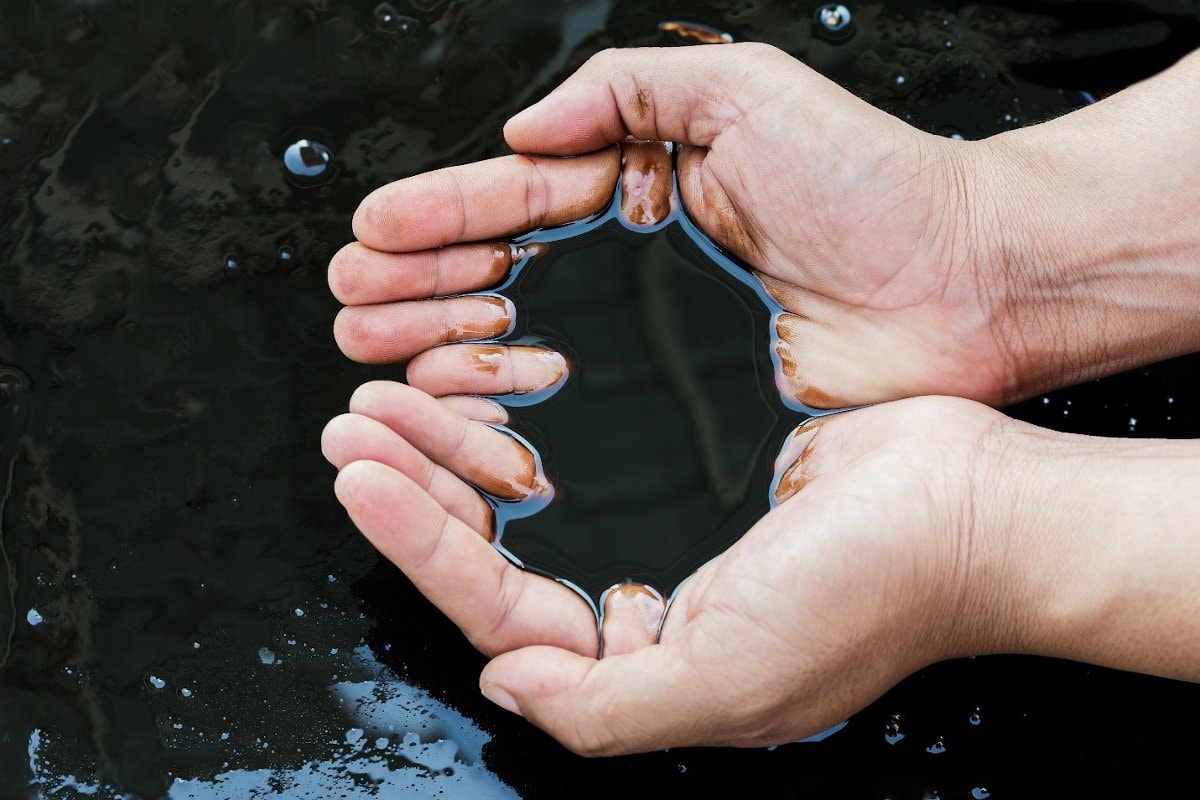
In 1973, IMO ratified the International Convention for the Prevention of Pollution from Ships, nowadays known as MARPOL, which has been modified by the Protocols of 1978 and 1997 and brought up to date with relevant amendments. It addresses pollution from ships by oil; by noxious liquid substances carried in bulk; harmful substances carried by sea in packaged form; sewage, garbage; and the prevention of air pollution from ships. MARPOL is responsible for a significant decrease in pollution from international shipping and applies to 99% of the world's merchant tonnage.
Reductions of pollution produced by ships have been accomplished by addressing technical, operational and human element problems and are all the more important when compared with the considerable growth in the world's shipping industry - both in travelling distance and the size of the world fleet. IMO is continuously on the lookout for a pro-active approach to improve implementation and enforcement, which includes a pro-active plan to make sure that shore-based reception facilities for ship generated waste run with international regulatory requirements. (International Maritime Organization 2020)
Oil pollution
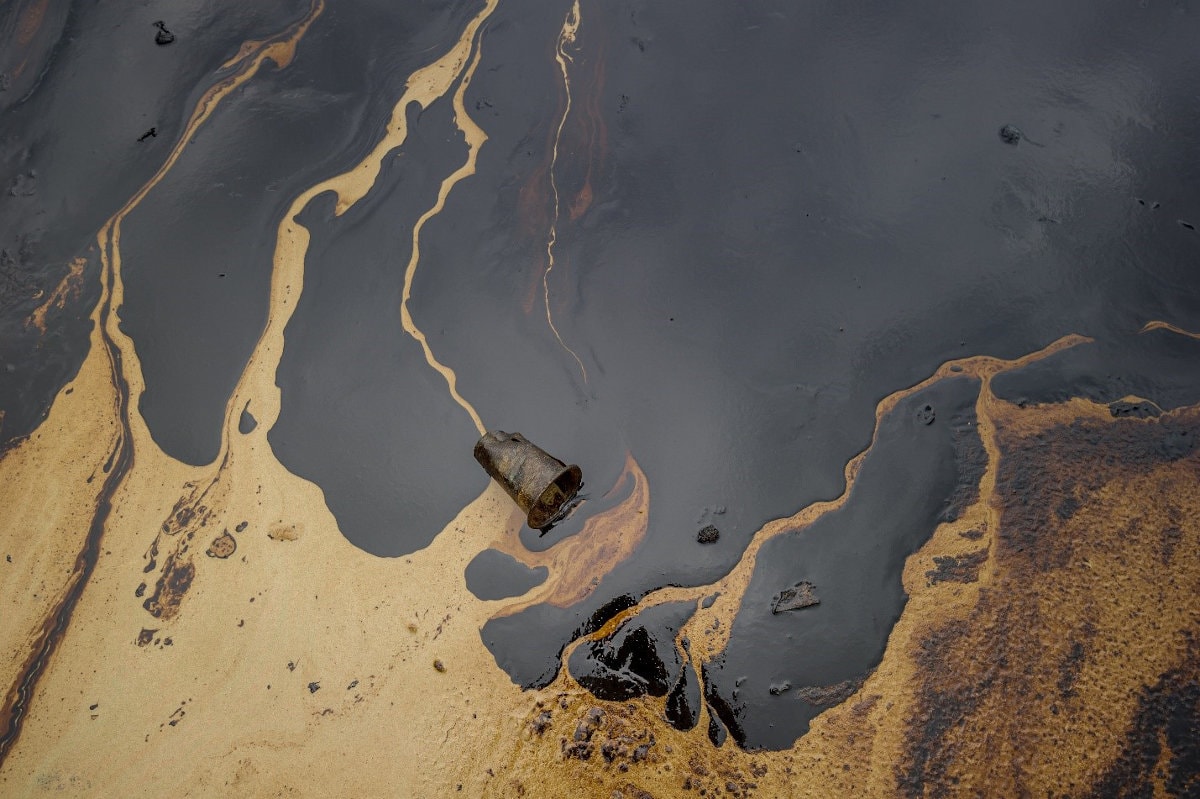
On the report of International Maritime Organization (2020), oil tankers transport some 2,900 million tonnes of crude oil and oil products every year around the world by sea. Most of the time, oil is transported quietly and safely...
Measures introduced by IMO have helped ensure that most oil tankers are safely built and operated and are constructed to reduce the amount of oil spilled in the event of an accident. Operational pollution, such as from routine tank cleaning operations, has also been cut.
The operational and construction regulations introduced by MARPOL, which entered into force in 1983, have been a success, with statistics from reputable industry and independent bodies showing that these regulations, along with other safety-related regulations such as the introduction of mandatory traffic separation schemes and international standards for seafarer training, have been instrumental in the continuous decline of accidental oil pollution that has taken place over the last 30 years.
The MARPOL convention, in 1983, introduced several radical new concepts, such as a requirement for new oil tankers to be fitted with segregated ballast tanks, so as to obviate the need to carry ballast water in cargo tanks. This was superseded by the requirement for oil tankers delivered from 1996 onwards to be fitted with a double hull. The protection of the marine environment was thus greatly enhanced.
As far as operational oil pollution is concerned, the many innovations introduced by MARPOL on allowable discharges of bilge water through the oily water separator (with the well-known 15ppm standard), or oily waters from the cargo tanks, through the oil discharge and monitoring system, have contributed greatly to a noticeable decrease in the pollution of the world's seas, though it is fair to recognize that a greater effort to impose compliance must be carried out. (International Maritime Organization 2020)
Chemicals carried in bulk
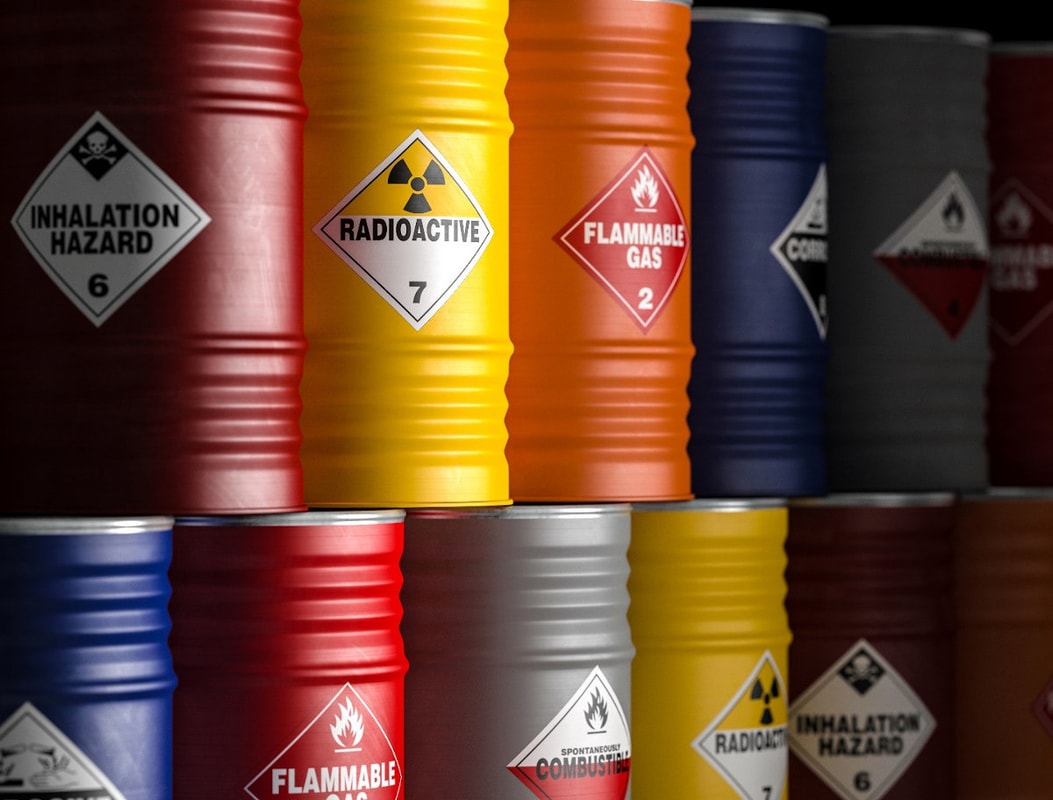
As stated by the International Maritime Organization (2020), carriage of chemicals in bulk is covered by regulations in SOLAS Chapter VII - Carriage of dangerous goods and MARPOL Annex II - Regulations for the Control of Pollution by Noxious Liquid Substances in Bulk.
Both Conventions require chemical tankers built after 1 July 1986 to comply with the International Bulk Chemical Code (IBC Code), which sets out the international standards for the safe carriage, in bulk by sea, of dangerous chemicals and noxious liquid substances. The Code prescribes the design and a construction standard of ships involved in the transport of bulk liquid chemicals and identifies the equipment to be carried to minimize the risks to the ship, its crew and to the environment, with regard to the nature of the products carried.
The IBC Code sets out a list of chemicals and their hazards and identifies both the ship type required to carry that product and the environmental hazard rating.
Chemical tankers constructed before 1 July 1986 should comply with the requirements of the Code for the Construction and Equipment of Ships Carrying Dangerous Chemicals in Bulk (BCH Code) - the predecessor of the IBC Code.
Noxious liquid substances in bulk
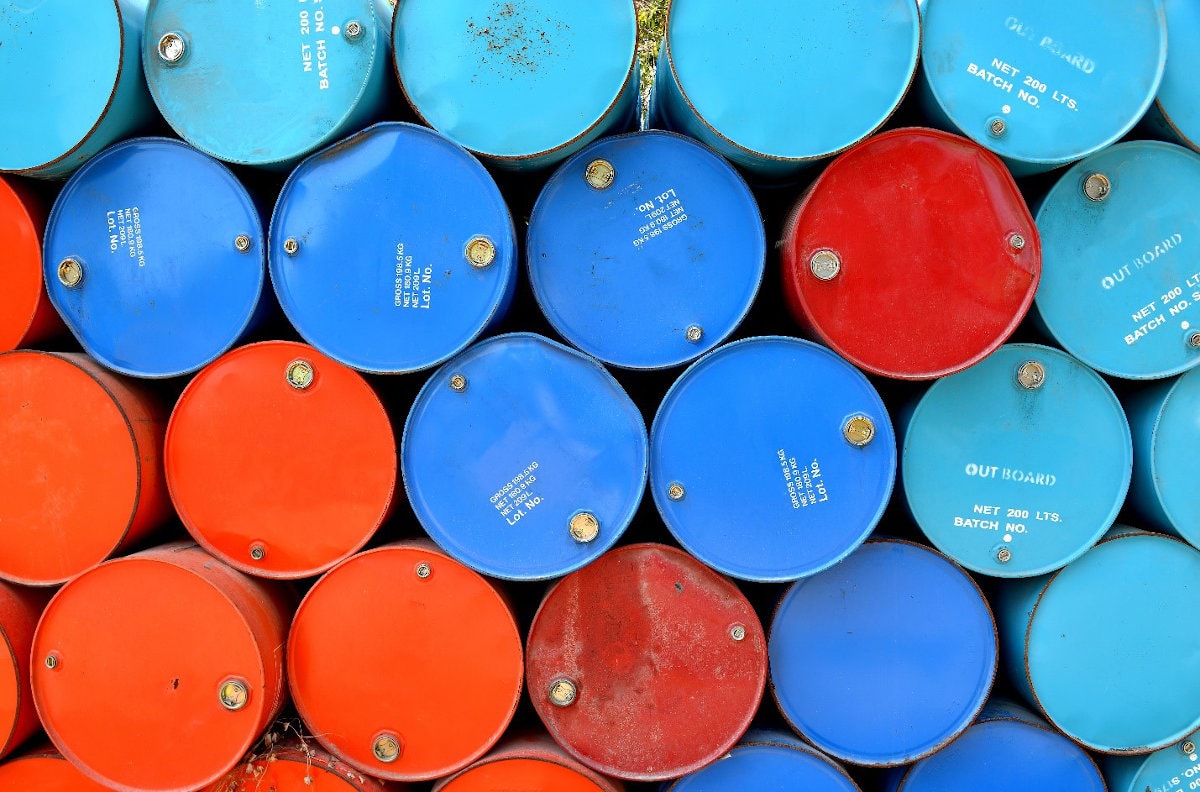
Shipping of chemicals and liquid raw materials for the food and animal feed corporations pose a serious threat to the marine environment. To reduce these risks MARPOL annex II came into effect on 6 April 1987 with legislations for the design and construction, the equipment and the operation of chemical tankers. This facilitates efforts made towards environment friendly transportation of noxious liquid substances in bulk.
Basic principles of MARPOL annex II are:
- safe containment of the noxious liquid substances,
- dilution of discharges and
- limitation of discharges into the sea.
All important activities in connection with noxious liquid substances must be documented in a cargo record book.
Harmful substances in packed form
MARPOL Annex III also sets out regulations for the prevention of pollution by harmful substances in packaged form and includes general requirements for the issuing of detailed standards on packing. (International Maritime Organization 2020)
Marine pollutants according to the IMDG code are dangerous goods with properties adverse to the marine environment, e.g.:
- hazardous to aquatic life (marine fauna and flora),
- impairing the taste of seafood, or
- accumulating pollutants in aquatic organisms.
Marine pollutants must be specially packaged, labelled, stored and documented on board to prevent their discharge into the marine environment. By means of the distinctive labelling such pollutants may also be singled out and separated from other cargoes during emergency operations after an accident.
Sewage
Regulations for the prevention of pollution by sewage are contained in MARPOL Annex IV.
As stated by the International Maritime Organization (2020), the discharge of raw sewage into the sea can create a health hazard. Sewage can also lead to oxygen depletion and can be an obvious visual pollution in coastal areas - a major problem for countries with tourist industries.
The main sources of human-produced sewage are land-based - such as municipal sewers or treatment plants. However, the discharge of sewage into the sea from ships also contributes to marine pollution.
Garbage
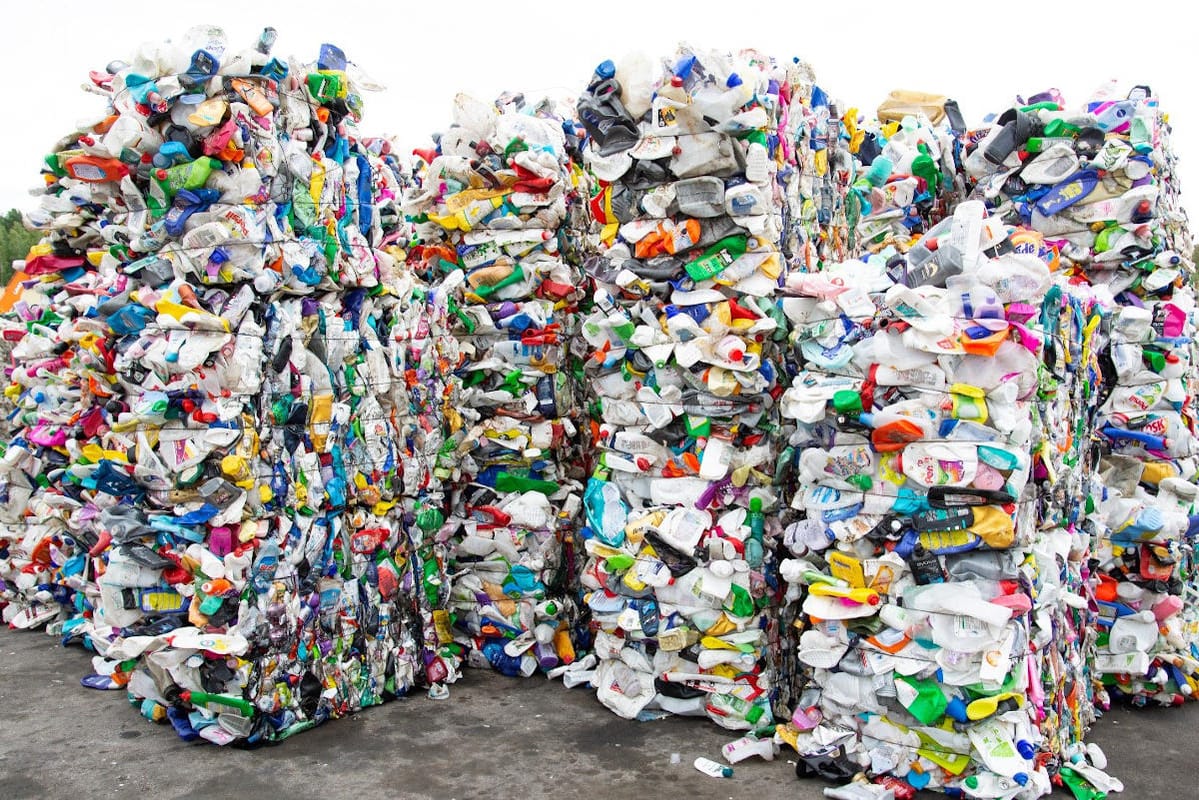
Regulations for the prevention of pollution by garbage from ships are contained in Annex V of MARPOL.
According to International Maritime Organization 2020, garbage from ships can be just as deadly to marine life as oil or chemicals.
The greatest danger comes from plastic, which can float for years. Fish and marine mammals can in some cases mistake plastics for food and they can also become trapped in plastic ropes, nets, bags and other items - even such innocuous items as the plastic rings used to hold cans of beer and drinks together.
It is clear that a good deal of the garbage washed up on beaches comes from people on shore - holiday-makers who leave their rubbish on the beach, fishermen who simply throw unwanted refuse over the side - or from towns and cities that dump rubbish into rivers or the sea. But in some areas most of the rubbish found comes from passing ships which find it convenient to throw rubbish overboard rather than dispose of it in ports.
For a long while, many people believed that the oceans could absorb anything that was thrown into them, but this attitude has changed along with greater awareness of the environment. Many items can be degraded by the seas - but this process can take months or years.
Persuading people not to use the oceans as a rubbish tip is a matter of education - the old idea that the sea can cope with anything still prevails to some extent but it also involves much more vigorous enforcement of regulations such as MARPOL Annex V.
Unless expressly provided otherwise, Annex V applies to all ships, which means all ships of any type whatsoever operating in the marine environment, from merchant ships to fixed or floating platforms to non-commercial ships like pleasure crafts and yachts.
MARPOL Annex V generally prohibits the discharge of all garbage into the sea, except as provided otherwise in regulations 4, 5, and 6 of the Annex, which are related to food waste, cargo residues, cleaning agents and additives and animal carcasses.
The term garbage refers to all kinds of food, domestic and operational waste, all plastics, cargo residues, incinerator ashes, cooking oil, fishing gear, and animal carcasses generated during the normal operation of the ship and liable to be disposed of continuously or periodically. Garbage does not include fresh fish and parts thereof generated as a result of fishing activities undertaken during the voyage, or as a result of aquaculture activities. (International Maritime Organization 2020)