


Burning and fire
Introduction
Burning is a chemical process in which a substance and oxygen (a substance that supports burning) are combined. This releases heat and light (flames). Fire is not a controlled burning process.
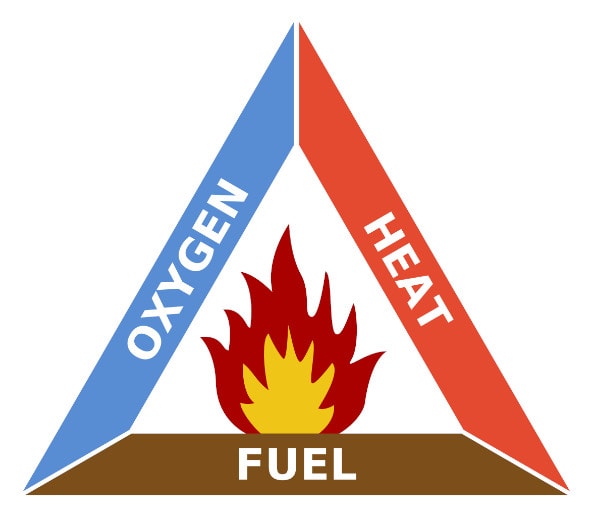
In order for the combustion as a chemical process to begin or to last, certain conditions must be fulfilled:
- the presence of a combustible substance
- the presence of oxygen or a substance that supports burning
- sufficient ignition temperature.
Solid fuels
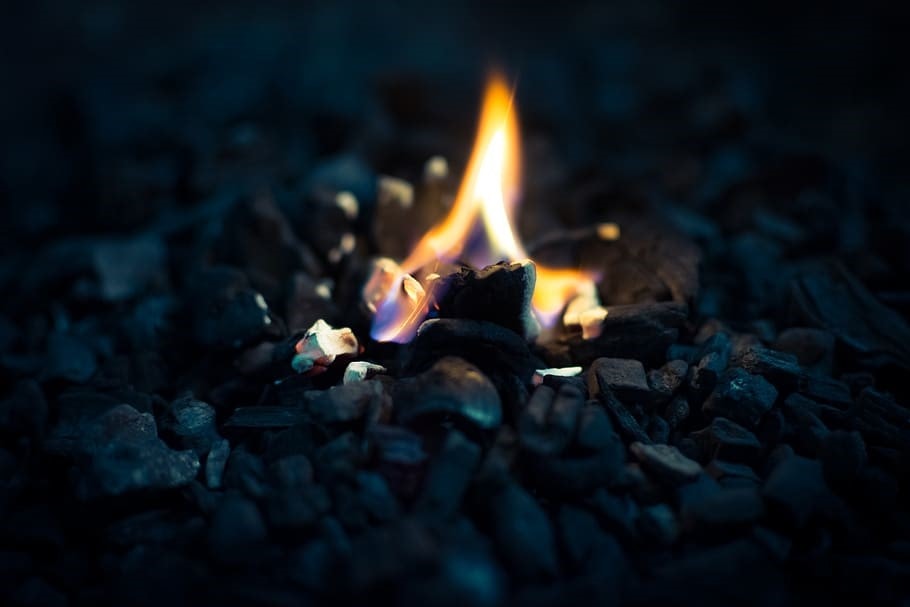
Solid fuel refers to different forms of solid material that can be ignited to release energy, provide heat and light through the process of combustion. Solid fuels are usually divided into non-flammable, flammable and highly flammable. In addition to not combining with oxygen, non-flammable substances will not ignite under normal pressure even in high temperature conditions. Flammable substances are ignited by flames and they burn, but only during direct exposure to the flame (wool). By removing the flame - the burning ceases.
Most solids undergo several stages during uncontrolled combustion, let's use wood as an example: it burns at T = 250 to 300 ° C. Stages: ignition, burning, protective carbonation and combustion.
As a rule, higher density substances tend to have a higher flash point (more difficult to burn), but develop higher temperatures during burning. Less dense - the other way around. Dust particles (particles phi = 0.1 to 25µm) can explode, releasing temperatures as high as 2500 ° C (e.g. magnesium or aluminium dusts).
Solids that do not contain water, do not change their state even under the influence of heat. They burn with embers while others burn with flames.
Some solids are prone to self-ignition. This is a consequence of self-heating, due to the slow progress of physical, chemical or biological processes. Self-ignition occurs most often due to chemical changes that condition the action of microorganisms, or to the gradual absorption of oxygen inside the fuel. The temperature increases and when it reaches the flash point - inflammation occurs. The process can take from several hours to several months. Wet aluminium powder, cotton, fishmeal, charcoal, hay, wood shavings, etc. are very susceptible to self-ignition.
Self-ignition is prevented by dissipation of the heat generated by the exothermic reaction.
Flammable liquids
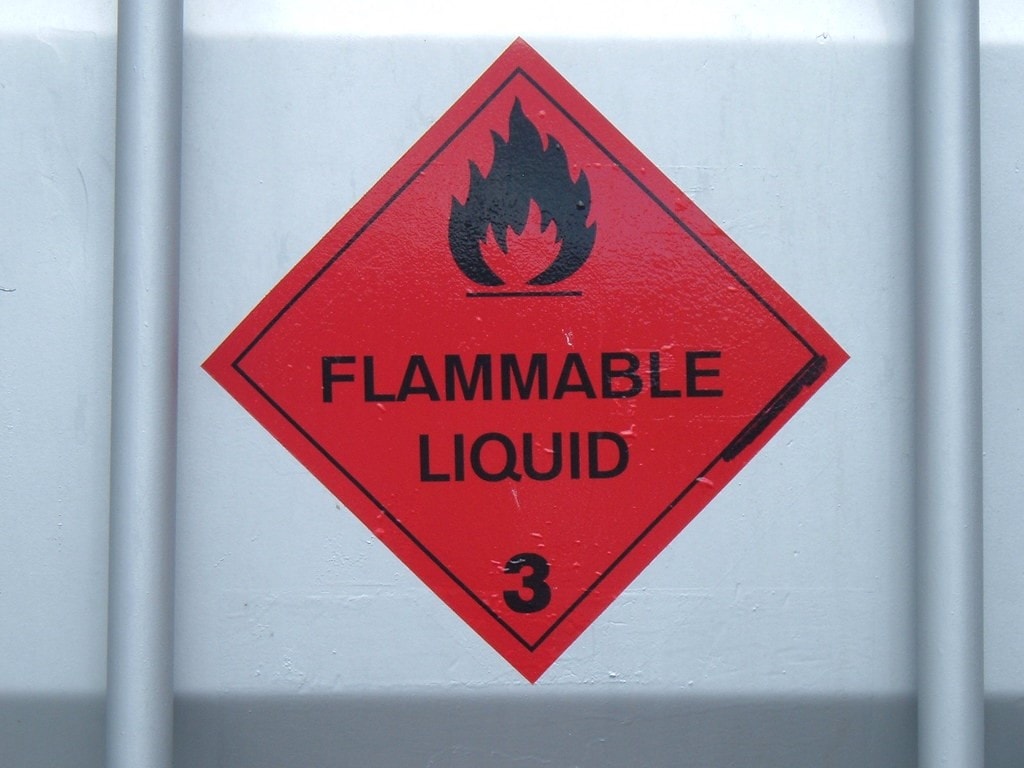
The burning of liquids is simpler than burning solids because they do not burn directly but as gases and vapours (change of state). A high enough temperature is required to burn a liquid in order to create a sufficient concentration of gases and vapours above the surface. If this concentration is insufficient, burning will not occur, even if there is sufficient heat to ignite, coming from an external source.
The process itself is carried out in the following manner: a certain amount of molecules are continuously separated from the surface of the liquid and a vapor cloud is created. When the concentration of the composition exceeds the critical point and when the temperature from an external source is high enough (the ratio of these quantities is balanced: at lower concentrations, a higher temperature is required and the other way around), inflammation occurs (this temperature is called a flash point). Burning ceases after a decrease in the concentration of gases and vapours in the cloud, that is, when there is no longer sufficient supply of the substance that supports burning.
With the further increase of the liquid temperature, the evaporation is accelerated, and the concentration of gases and vapours in the cloud increases, and such a temperature (and, consequently, the concentration) allows the complete combustion of the liquid. This is called the flame point.
If, however, complete combustion has not occurred, with further increase in temperature, molecules which evaporate from the liquid are ignited by contact with oxygen themselves, without an external heat source, e.g., a spark - it is called the auto-ignition point.
In the maritime world, flammable liquids all those whose flash point is below 61 ° C. They are classified into:
- highly flammable liquids (flash point <-18 ° C),
- medium flammable liquids (flash point -18 to + 23 ° C) and
- highly flammable liquids (flash point 23 to 61 ° C).
This division was made for the purpose of determining the level of fire protection of a ship (cargo). Thus, many types of liquids with a flash point of + 61 ° C or more are flammable, but special measures of fire protection and prevention are applied in the transport of liquid cargoes with a flash point below 61 ° C.
Flammable gases and vapours
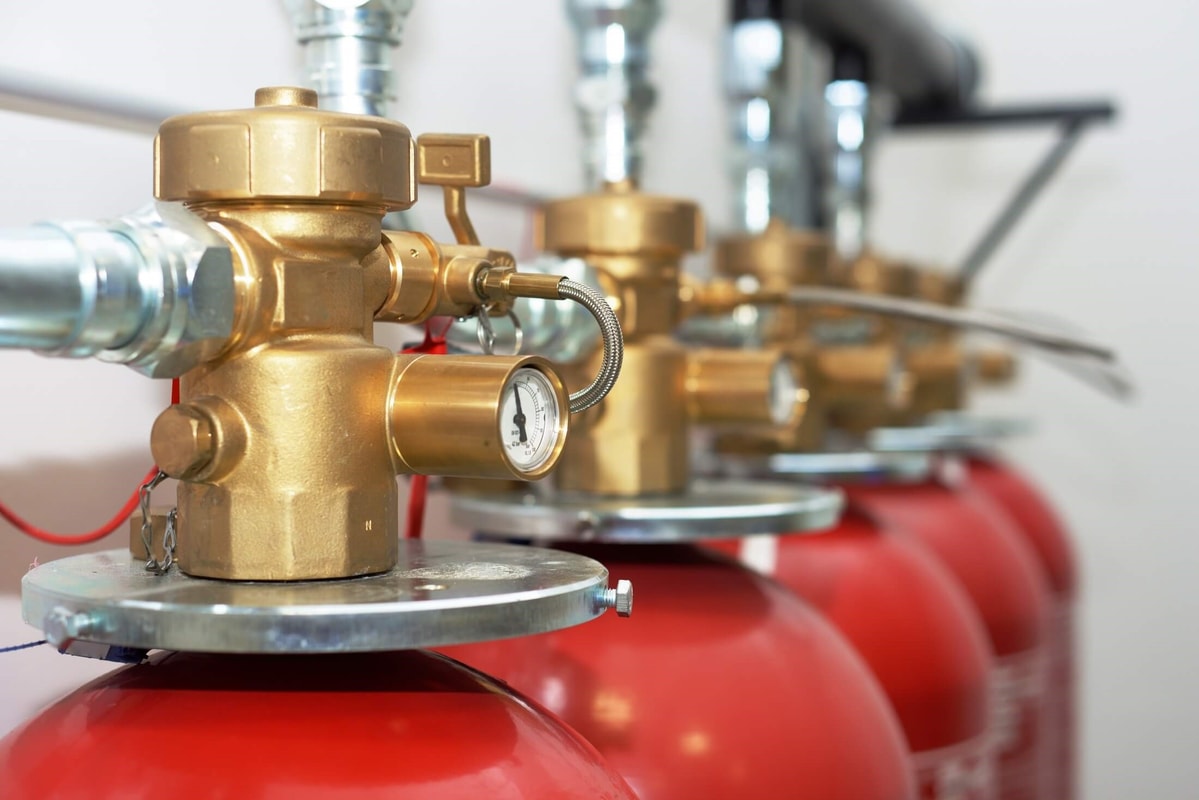
Combustion of gases and vapours is only possible if there is a relatively homogeneous mixture of combustible gases and vapours and oxygen from the air. Combustion regularly starts with a burst (an explosion). An explosion is a chemical change whereby a large amount of a combustible substance is instantaneously connected to oxygen. In this way, a large amount of heat is instantly released. For an explosion to occur, the spatial (quantitative) ratio of combustible gases, vapours and oxygen must be within certain limits (explosive limits). The lower flammable limit (LFL) is the lowest amount of gas and vapor at which an explosion is possible. The upper flammable limit (UFL) implies the largest spatial share. Mixtures of gases and vapours below the LFL and above the UFL are called poor or rich. Another requirement for an explosion is an external heat source that initiates the chemical reaction.
Liquids, that is, gases that are lower in LFL, or which have a wider explosive range, are considered to be more dangerous (very flammable gases include diborane, acetylene, dimethyl ether, ethylene oxide, hydrogen, silicon tetrahydrogen, carbon monoxide, etc., and liquids such as acetaldehyde, acetone, crotonylene, diethyl ether, etc.). The presence of other substances in the explosive mixture can shift the limits of explosiveness, and the destructive effect of the explosion depends on the degree of concentration of flammable gases and vapours. The destructive effect occurs due to the large expansion of gases and the rapid increase in pressure (caused by the sudden rise in temperature during the chemical process of coupling gases and vapours with oxygen). We differentiate deflagration explosions (accelerated combustion; the reaction which expands from the centre of the explosion at low speed; the area covered by the reaction is several millimetres wide) and detonations (expanding rate is much higher than the speed of sound, resulting in an audible burst; with a chemical reaction area width of less than 10 microns; temperatures from 1600 to 4000 ° C and pressures above 20000 bar).
Oxygen
At normal pressure and temperature - a gas without color, taste and odor. O2 easily reacts with other chemical elements. There's 21% of it in the atmosphere. At higher temperatures it is easier to combine oxygen with fuel substance. If there is enough oxygen in a given space, all the molecules of the fuel substance will merge with O2 and complete combustion will take place. In areas with less oxygen, the process lasts long as O2 is available and then it is interrupted - an incomplete combustion. In this unfavorable process, carbon monoxide (CO) is produced - a toxic and flammable gas; and in favorable conditions - pure carbon (C). In addition to the atmosphere, O2 from some other unstable compound may be involved in the combustion process (e.g. magnesium deprives oxygen from CO2).
Heat sources
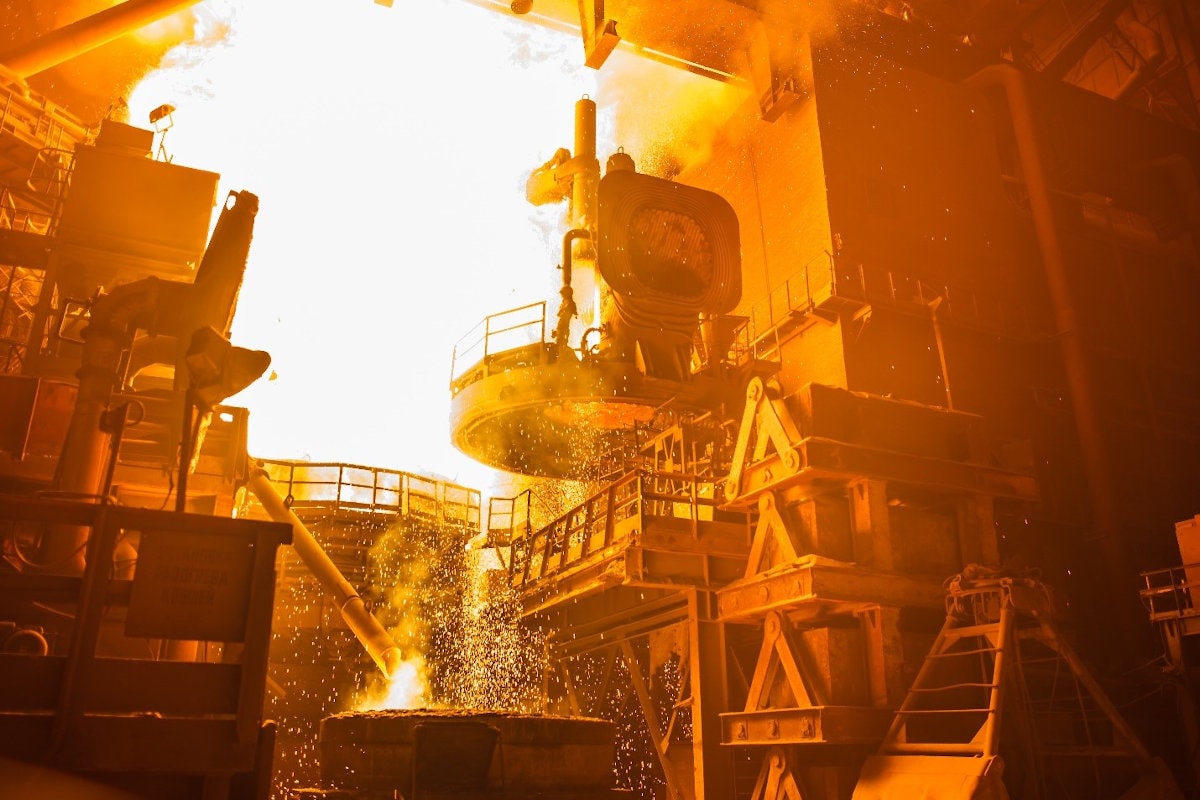
Causes of a fire are all substances/bodies that, due to their increased surface temperature, can cause uncontrolled burning of objects in their immediate vicinity. Regarding the generation of heat that causes ignition, heat sources can be ELECTRICAL, MECHANICAL, NUCLEAR and CHEMICAL. In addition to 87 heat sources, an important cause of a fire is also the direct transfer of heat from a warmer to a less warm body.
Fires caused by an electric current as a heat source are caused by an increase in the temperature of the conductor (by increasing the electric current, the resistance in the conductor increases and ultimately - the temperature itself. The amount of electrical energy converted to thermal energy is proportional to the resistance of the conductor, the square of the current strength and the duration of the current. The effect of short-circuit current and sparking (electric arcs that occur with a discharge between two objects of different potentials) can also be included into this source group. Natural discharges - thunder, electrical device arrays and static discharges - also belong in this group. Temperatures and values of several thousand ° C can be reached when electric sparks break out.
Mechanical sources include the heat released by the friction of two solids.
Thermonuclear reactions rarely cause environmental fires. They occur more often within the nuclear facilities themselves.
Chemical sources include numerous exothermic processes between two/more substances, or processes that release heat.
Numerous fires are caused by the direct transfer of heat from a higher to a lower temperature substance. This happens due to the natural tendency to stay in balance. In this case, the balanced state would be to equalize the temperatures of the adjacent media/substance. Heat is transmitted by CONDUCTION, CONVENTION and RADIATION.
Conduction generally transfers heat to rigid bodies. It is the transfer of heat from molecule to molecule. Regarding others, this is a slow process in which small amounts of heat are transferred. The amount of heat transferred depends on the structure of the substance, the size of the cross section through which heat is transferred, and the temperature differences of the two physically adjacent bodies. The measure of heat conduction capacity is the coefficient of thermal conductivity. Higher thermal coefficient - Better conductivity of heat (usually metals) and vice versa (asbestos, natural and glass wool, etc.).
Through convention, heat is transferred through liquids and gases. Here, liquids and gases are batteries that receive heat from warmer substances and transfer their own motion/flow to other places and to less warm matter (e.g. water, air mass, etc.). The transfer of heat through convention is of lesser importance when it comes to causing a fire, but it is very important for extinguishing it (water takes away the heat of the burned substance).
Radiation (electromagnetic) is the most common way of transmitting heat. Here, direct contact of matter with different temperatures does not exist. The amount of heat radiated depends on the temperature of the body, and less on the surface from which the radiation takes place, the color and shape of the body. As a rule, substances with a high ability to radiate heat (black bodies) also have a high absorption capacity.