



Shock
Signs, causes and types of shock
Shock is a serious complication that accompanies various injuries and conditions due to the weakening of vital functions in different body organs. Functions are impaired due to impaired circulation and reduced delivery of oxygen to tissues.
The shock usually occurs after extensive bruising, major burns, fractures of the large bones and other very painful injuries. It also occurs with fluid loss that can be caused by direct blood loss (bleeding), severe diarrhoea or vomiting. Shock can also be caused by severe allergic reactions, acute infections, and stroke.
Some people react extremely emotionally to minor injuries or psychological traumas and may lose consciousness. This phenomenon can be considered a mild form of non-life-threatening shock. The unconscious person will regain consciousness by laying him on his back and lifting his legs.
Severe shock threatens the life of the injured or ill.
Signs of shock
Pallor. The skin is pale, cold and often moist. Later it can change colour to bluish. In people with black skin colour, paleness cannot be observed, so it is checked on the mucous membranes of the mouth and eyes and in the nail beds.
Rapid shallow breathing. Sometimes breathing can be irregular and deep.
Thirst, nausea and vomiting. They often occur in patients who are in shock because of bleeding.
Weak and rapid heartbeat. The pulse rate is more than 100 beats per minute. The body tries to compensate for the lack of blood or fluid with faster work of the heart.
Restlessness, excitement and fear. These signs usually appear early and are an introduction to later disorders of consciousness.
If these signs are not yet developed and the casualty is badly injured, we must act as if the person is already in shock to prevent it from occurring.
First aid and shock treatment
Includes eliminating the cause of shock, fluid replenishment and warming.
Eliminating the cause of the shock consists of stopping the bleeding, establishing breathing and relieving the injured from intense pain. To this end, the following should be taken:
Position the casualty in a lying position. The injured person should be positioned horizontally, with his feet raised about 30 cm, which helps the blood to reach the heart and brain, who need it the most. The legs should not be raised if an internal injury to the head, pelvis, spine, chest or difficulty breathing exist.
The injured person should be warmed but not overheated. Too much heat deepens the shock since heat expands blood vessels on the surface and draws blood away from the internal organs, which require more blood.
The injured person should be relieved of pain as soon as possible. The pain deepens the shock. If the pain is severe and there are no reasons why the medicine should not be given (contraindications), such as severe head injuries, breathing difficulties, low blood pressure, morphine should be given to the muscle (10 mg or one ampoule). When blood pressure is low, morphine should not be given because it will cause the blood pressure drop even further.
After a single injection, the dose of morphine can only be administered again after consulting the doctor via radio.
Give fluids. The most natural way to make up for fluid loss is orally. Fluid should not be given orally if the person is unconscious, suffers from drowning, has cramps, injuries to the internal abdominal organs, brain injury or if he needs surgery. When the injured person has no contraindications, he should be given half a glass of dissolved oral rehydration salt (Nelit) every 15 minutes.
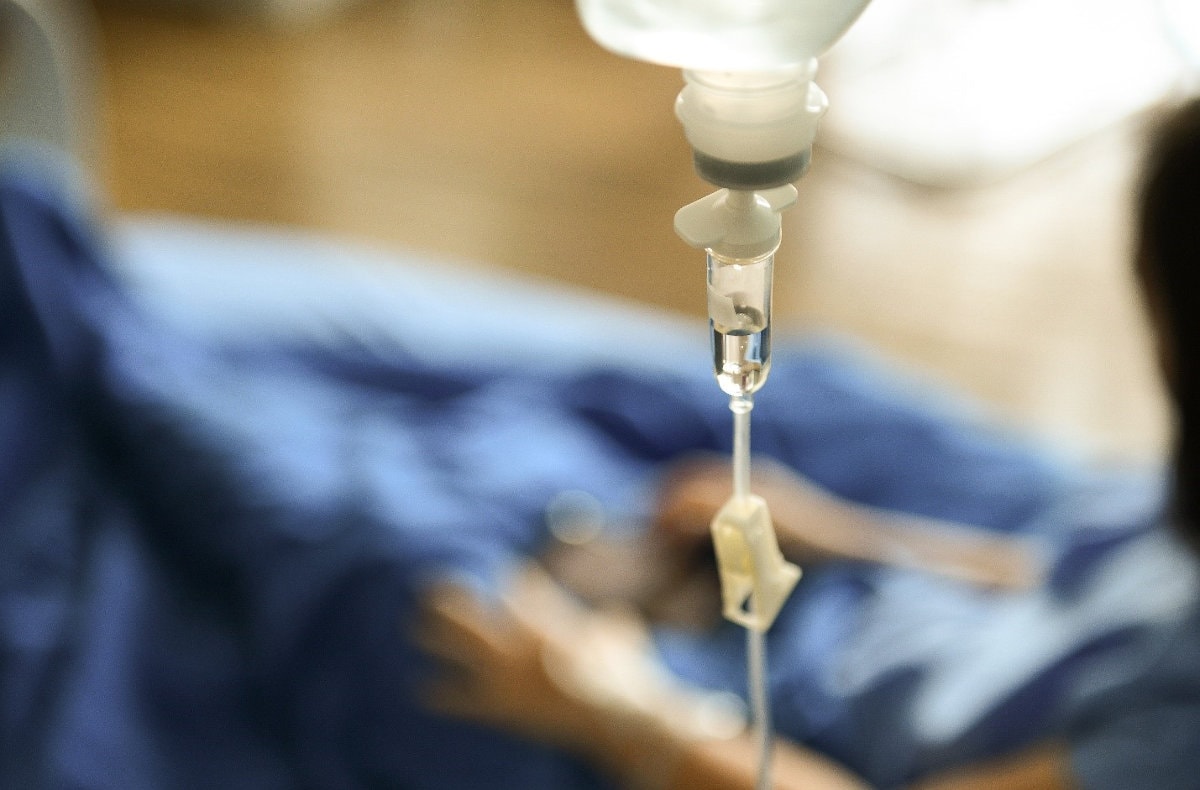
When the injured person is unable or not permitted to take fluid orally, it is compensated for by infusion (by administration into a vein) after consulting a doctor.
When, after consultation with a physician, instruction has been given on the administration of fluid into the vein, then saline (0.9% saline solution), Glucosa 5% (5% sugar solution) or Dextran 6% (6% dextran solution) are given as instructed.
Do not give alcohol to a patient suffering from shock!
In any suspicion or doubt, consult a doctor via the radio.