



Hypothermia (cooling) and heatstroke
Signs of hypothermia
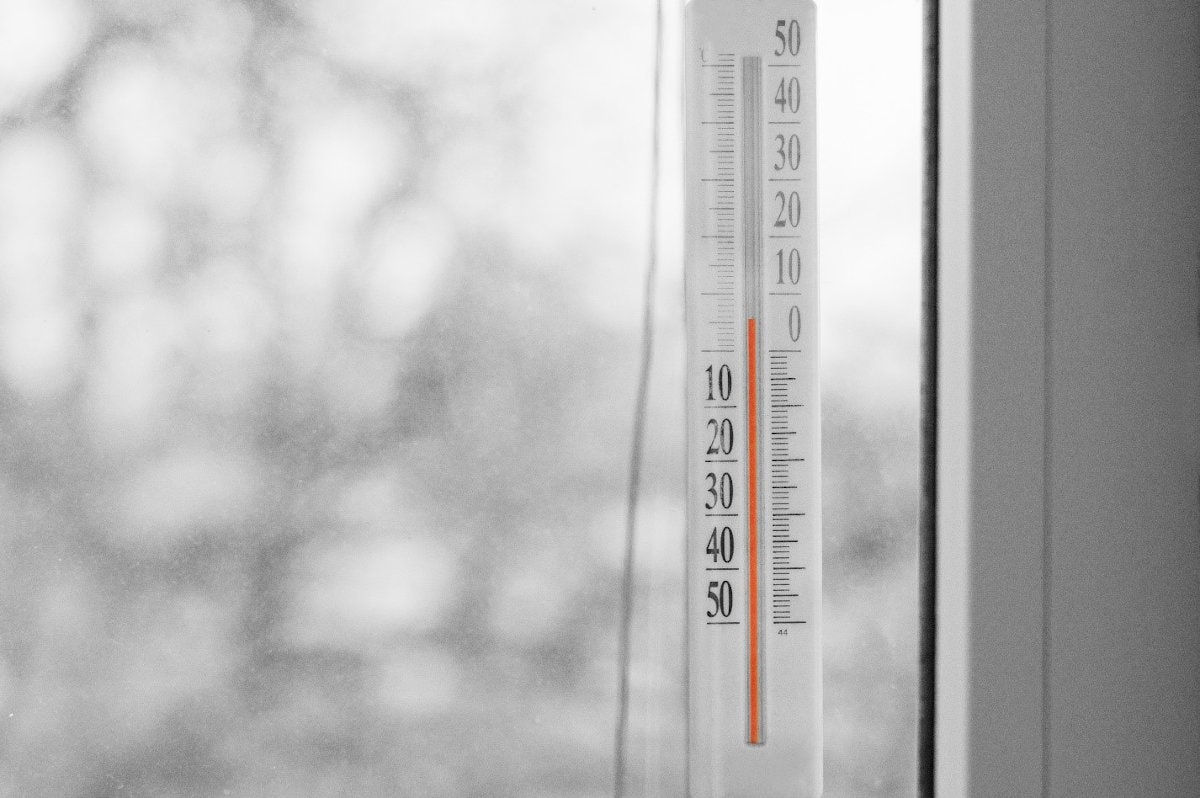
Loss of body heat is the greatest danger to human survival in the sea. Body heat lowers in water much faster than in the air, and even relatively warm seas can dangerously lower body temperature.
A fall in the internal (core) body temperature, measured in the colon, below 35 ° C causes a disorder - hypothermia. As the temperature continues to drop, signs of fatigue, dullness, pain, impaired speech and mental confusion begin to appear.
There is a difference between "wet" and "dry" cooling. The first occurs after being in cold water and the second occurs after being exposed to cold on land.
The organism enters the hypothermia gradually. There are two stages of hypothermia:
- lighter - when the person is in hypothermia but conscious
- severe - when the person is in hypothermia and unconscious
Initially, with a fall in body temperature from 35 ° C to 32 ° C, shivering occurs, but not always, thereby losing a large amount of heat. The skin becomes cold, pale and dry.
A fall in body temperature below 32 ° C causes all the processes in the body to slow down. Fatigue, an overwhelming desire for sleep and hallucinations appear. All physical and mental functions have been reduced and slowed down.
When loss of consciousness occurs, heart rate and breathing become slower.
If adequate help is not provided at this stage, hypothermia causes death due to respiratory failure and cardiac function.
Full body cooling slows down the metabolism, so a hypothermic person in an apparent death is more likely to be resuscitated than other victims who are in clinical death for other reasons.
First aid for hypothermia
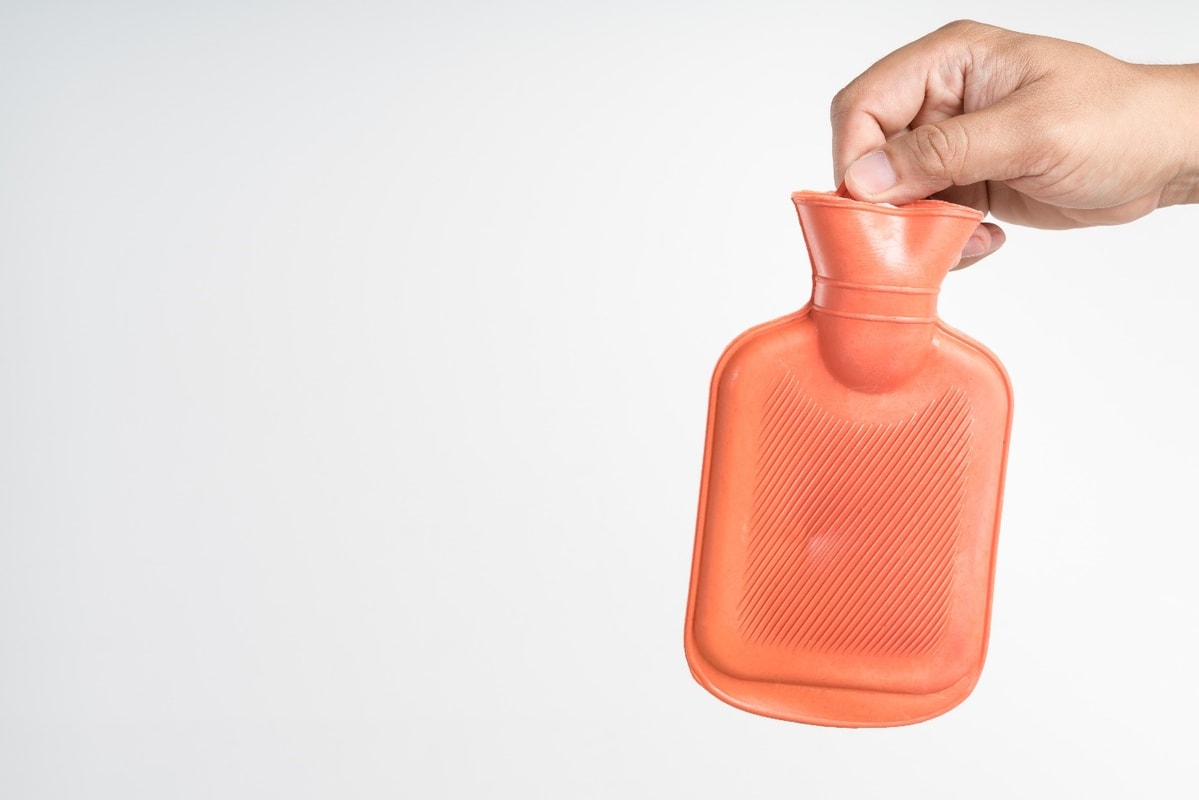
The basis of first aid is to prevent further heat loss and to gradually increase the internal body temperature, which must be as close as possible to the physiological mode of heating.
Basic principles (for severely chilled):
- when removing chilled persons from the sea, their body must be kept as horizontal as possible (preventing a heart attack due to pressure changes and consequent exertion that the heart must overcome, cause of death in 15 to 20% of dead shipwrecks)
- if not breathing, reanimate
- provide first aid even if the rescued shows no signs of life; take precedence over those with tremor (triage)
Things to remember:
- move the casualty as little as possible; do not massage, do not administer alcohol, do not bring in overheated rooms, do not put in a bath - all of this enhances heat loss and heart strain
- wrap the casualties with as many blankets (and head!) as possible and give them a warm drink
- if the person has not been in the water for long time - replace clothes with dry, but keep in mind that wet clothes are better than none (in the case of mass rescue)
- when the tremor ceases place the casualty in a bed, keep him warm; keep the room temperature at 15-20 ° C
First aid procedures:
- Hibler's thermal envelope - a method of thermal internal warming when there is no possibility of fast transportation to the hospital
- so called hot towel is a towel or sheet dipped in 60-70 ° C water, so thinned out so that its temperature is 41-43 ° C and placed on the injured person than wrapped with blankets and foil
- the injured person must have a thin layer of clothing between him and the hot towel due to the risk of burns
- change hot towel every hour
Wrapping the casualty in a blanket without a heat source (hot towel or lifeguard's body) will not be effective because the victim does not produce enough heat to reheat and the blanket becomes an insulator.
First aid for different body temperatures

The condition of a person (shipwrecked) in hypothermia is determined by assessing the state of consciousness and measuring rectal temperature.
- 37 ° C - Normal body temperature.
- 36 ° C - Feeling cold. Replacing of wet clothes and shoes with dry ones. Whole body protection. Giving hot and sweet drinks. External heat sources (e.g. baths, thermophores) are only applicable if the internal heat of the body is greater than 35 ° C.
- 35 ° C - The appearance of shivering.
- 34 ° C - Slow motion, confusion.
- 33 ° C - Muscle stiffness. Warm sweet drinks. Direct heating with warm air or oxygen, if available (40-42 ° C). Monitoring heart rate and breathing. Prohibition of movement. Position with slightly raised legs.
- 32 ° C - The shivering stops.
- 31 ° C - A semi-conscious state. Without giving drinks or meals. Respiratory check.
- 30 ° C - Fainting, the disappearance of pain. Place the body of the lateral position (side changed every two hours).
- 29 ° C - Slow heart rate and breathing rhythm. Start slow pace artificial respiration.
- 28 ° C - Cessation of the heart, without noticeable breathing. Artificial respiration and heart massage for as long as possible.
- <28 ° C - No signs of life.
Frostbites - local effects of prolonged exposure to cold
Limited freezing of parts of the body occurs when exposed to extreme cold. The most exposed to frostbites are seafarers sailing in cold areas as well as fishermen. The feet, hands, ears and nose are mostly affected. Depending on the severity of the frost, we divide them into three stages:
- First degree. The skin is pale, cold, swollen and weak, with itching and pain.
- Second degree. The skin is pale blue, more swollen, very sore, blisters with bleeding fluid occur.
- Third degree. Scabies form and the skin breaks down. Due to dying, there is complete insensitivity to pain, temperature and touch.
There is no greater to life with frostbites; there is little shock, but for third degree frostbites there is a risk of loss - amputation of the most protruding parts of the frozen area (fingers, nose, ear).
First aid for frostbites:
- bring the injured person to a warm room or warm him
- take off their wet clothes and shoes
- take off clothing and jewelry (ties, belt, rings, bracelets)
- gradually and carefully warm the frozen part of the body
- do not touch the skin with unclean hands
- do not open blisters
- bandage the frostbite with sterile gauze
- antibiotic ointments can be placed on the frostbite
- do not massage, rub or roughly move the frozen part of the body
- lift the frozen limb high
- give antibiotics preventively
- seek medical advice via radio
Second and third-degree frostbites require medical treatment as soon as possible, which is why you should seek medical advice by radio.
Effects of heat
High temperature environment can cause: heat exhaustion, heat cramps, sunstroke, sunburns and dehydration.
Sunstroke is a consequence of prolonged exposure to the sun without head protection.
A heat stroke is a condition in which the body's cooling mechanism fails and body temperature rises.
Symptoms include headache, dizziness, vomiting, cramps, stomach pain, and fever.
The person should be removed from the sun, cooled with cold compresses, remove excess clothing (not all), DO NOT allow to swim (loss of energy, possible sores due to salt).
A solution of Rehidromix or plenty of water with a mnogo teaspoon of salt should also be given, cold fruit juices or chilled soup are good.
First aid: cooling with cold compresses or cold baths, lying down and standing still for at least 48 hours.