




Onboard poisoning
Most common poisoning hazards
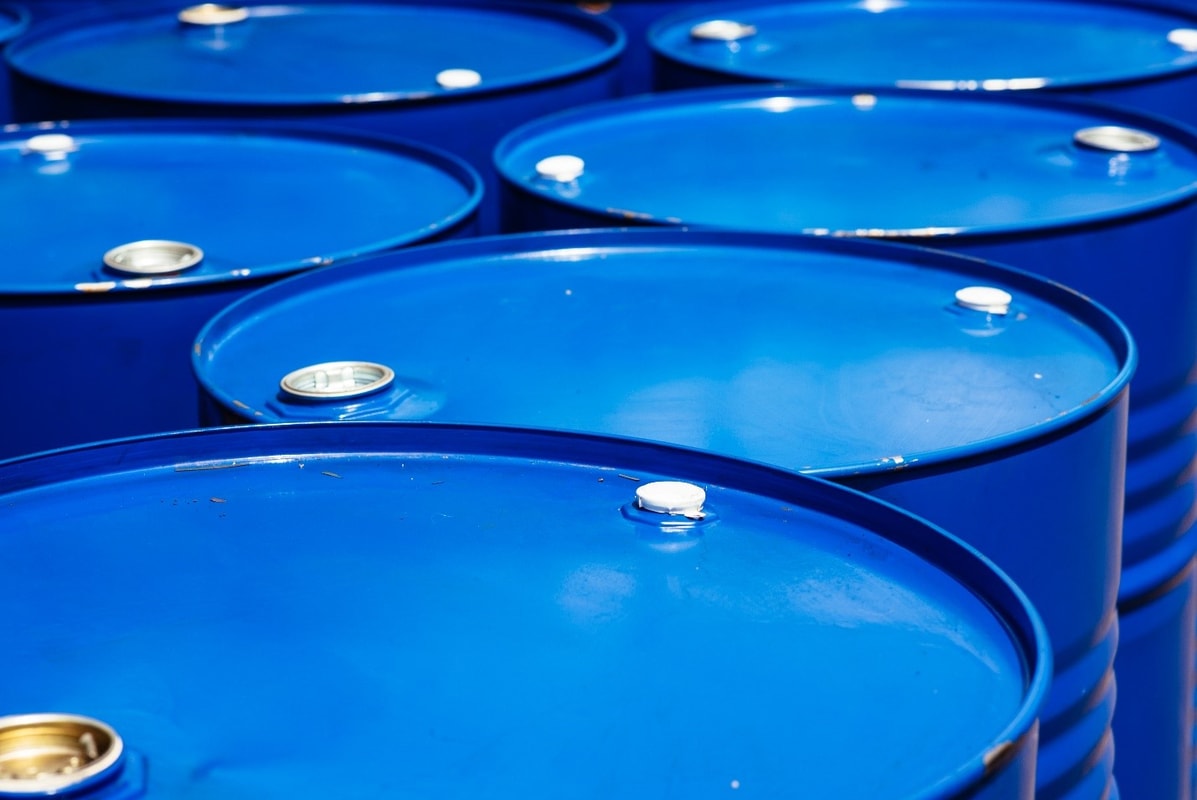
Poisoning can be acute and chronic. Acute is caused by the sudden intake of poison in an amount that causes poisoning. Chronic poisoning occurs when long-term intakes of small doses of poison are introduced into the body, the effect of which is cumulative.
The severity of poisoning depends on the type of poison, the amount of poison and the method in which the poison entered the body.
Substances that can potentially cause poisoning on board are usually divided into poisons that are in everyday use (alcohol, paints, varnishes, solvents and paints, pesticides, drugs, acids, alkalis, etc.) and those that can be generated in offshore installations of cargo ships and operating procedures.
The most common poisons that occur during labor are carbon monoxide (CO), carbon dioxide (CO2), ammonia (NH3) and freon. This list can be expanded by adding the fierce gaseous poisons used to destroy rodents and insects to protect cargo (cereals) - methyl bromide, phosphorus and hydrogen cyanide.
The most common toxic cargoes of marine cargo are petroleum and its derivatives, acids, alkalis, some ores and various pellets (soybean, palm, coconuts) that release the benzene used in their extraction. A particular problem is the cargo of some organic substances - cereals and fruits - which, through fermentation, consume oxygen and release carbon dioxide. As a result, oxygen, in non-ventilated warehouses is used (and can fall below 10%), and CO2 develops.
General signs of poisoning and first aid
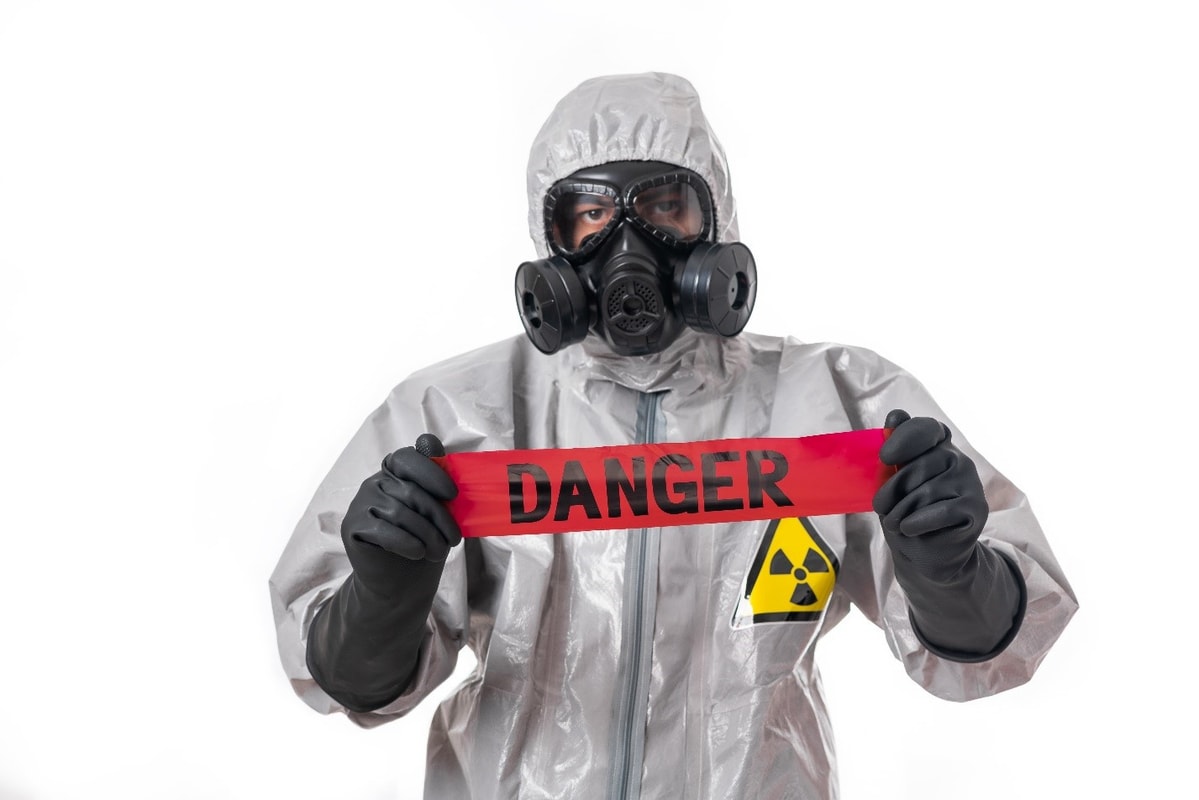
The general signs of poisoning are: headache, nausea, vomiting, behavioral changes, drowsiness, fainting, pain, cramps and poor general condition. Signs of severe poisoning are: bluish skin color, difficulty breathing, rapid and weak pulse, vomiting and disturbance of consciousness.
General principles of first aid for poisoning:
- work quickly and calmly
- recognize the poison (packaging residue, empty bottles, boxes, medicine bottles)
- remove poison from the body as soon as possible
- give an antidote and neutralize the poison
- catheter to empty the bladder (when the poisoned person cannot urinate)
- maintain vital functions: breathing, heart rate, blood pressure
- provide oxygen and agents to counteract any shock
- keep warm the poisoned
- not to provoke vomiting when poisoned is unconscious, in spasms or poisoned by strong acids or alkalis
- monitor the condition of the poisoned
- seek medical advice via radio
Important warnings
- For poisons indigested through the mouth, if artificial respiration is required, do not use the mouth-to-mouth method because the rescuer can also be poisoned! Apply a manual method, a resuscitation mask or oxygen.
- In case of poisoning by inhalation of severe poisons, do not attempt "mouth to mouth" or "mouth to nose".
- Vomiting should not be provoked when the poisoned has swallowed strong acids and alkalis and is unconscious or has convulsions.
- In insecticide or gas poisoning, do not give milk! Fat from milk (and from other foods) speeds up the entry of poison into the bloodstream.
- In case of poisoning by inhalation, do not administer any anti-anxiety drugs or painkillers. Such poisons have already impaired the functioning of the respiratory center, and such medications can further disrupt breathing.
- In gas poisoning, do not enter poisoned rooms without a suitable gas mask.
- For poisons that enter the body through the skin, it is important to remove clothing (as it is also poisoned!) as soon as possible and wash the injured person with soap and warm water.
Carbon monoxide poisoning
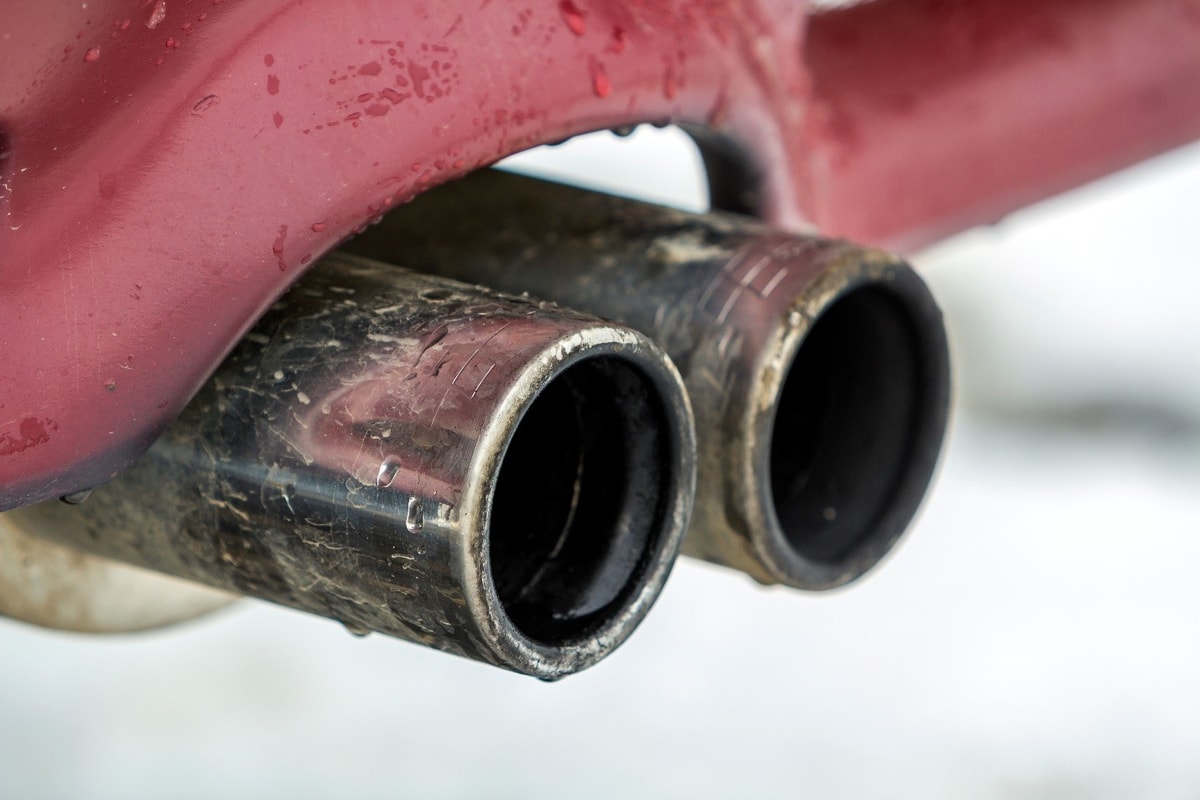
Carbon monoxide (CO) is a combustion gas created by burning without sufficient oxygen. It is found in the exhaust gases of all internal combustion engines. It is emitted in large quantities by gasoline engines, especially when operating at idle.
Symptoms and signs of poisoning may stronger or weaker in intensity. They depend on the amount of CO in the air and the duration of inhalation.
Signs of CO poisoning are uncharacteristic and impossible to recognize if there is no information about the environment in which the gas could have been collected.
At higher concentrations the poisoned is in deep unconsciousness, breathing is poor and irregular, muscle twitching occurs, and death can occur due to damage to the heart and difficulty in transferring oxygen to the blood through the tissue.
At low concentrations of CO in the air, headache, dizziness, nausea, vomiting, and fainting occur.
First aid:
- take the poisoned person to fresh air
- check the state of consciousness
- check vital functions (breathing, heart rate)
- use artificial respiration and cardiac massage in case of breading or heart failure
- when the poisoned is breathing, give him oxygen through a mask.
- poisoned with convulsions, if conscious, may be given a 10 mg tablet of Diazepam. The doctor should be consulted by radio beforehand.
- Diazepam can be given into the muscle only on the recommendation of a physician via radio.