




Drowning
First aid in drowning
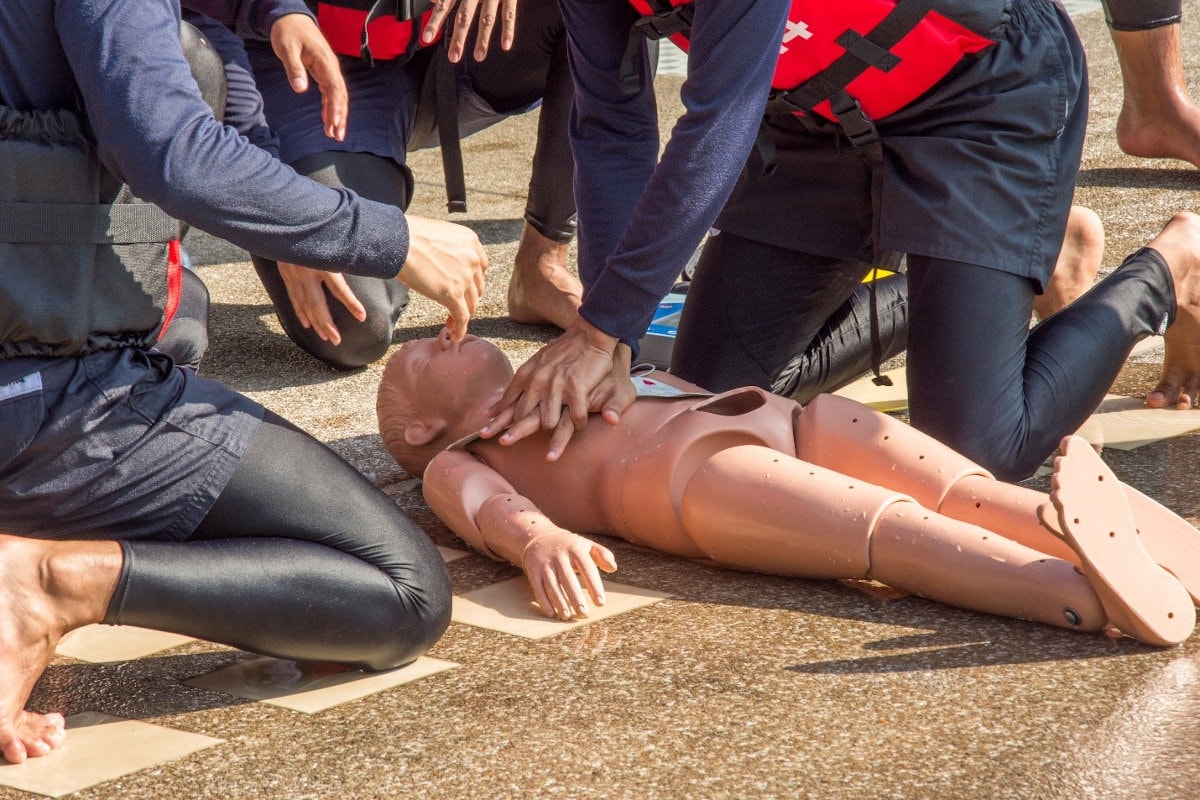
Drowning is fluid suppression, where the underlying cause of death is not the fluid introduced through the airways, but lack of oxygen (hypoxia) at the lung and organism levels.
During resuscitation, oxygen must be delivered quickly and generously by blowing (mouth to mouth) without looking at any mouthwatering fluid that may be present.
When drowning, respiratory failure usually precedes cardiac arrest. Therefore, the sooner artificial respiration is given, the greater the chance of preceding cardiac arrest.
After taking the drowning person to a solid surface, land or vessel, a complete revival begins (with some particularities):
- you should not waste time "pouring out" water from the drowned. The water that comes out originates mostly from the stomach, not from the lungs.
- blowing air into the lungs is difficult due to decreased elasticity of the lungs. Therefore, during artificial respiration, it is necessary to blow more air or squeeze the AMBU balloon more strongly.
- cardiac function is sometimes difficult to detect due to the presence of a slowing heart rate
- rescuers need to persevere with revival for at least 60 minutes no matter how hopeless the casualty may initially look
- if the drowned is cooled, the revival should be continued and the internal temperature of the body raised by careful heating
- for a drowning casualty, the established limit of apparent death does not apply (3 to 5 min from cessation of vital functions)
Cases of successful resuscitation after staying in cold water for more than one hour have been described, especially in children.
Dehydration and malnutrition

Survivors who have been floating on rafts or lifeboats at sea for several days are likely to suffer from dehydration (loss of water). If they have been floating for longer, there may be a problem of malnutrition.
These two problems cannot be solved quickly. For the purpose of replenishing the fluid, the survivors should be given a solution of oral rehydration salt or sweetened non-alcoholic beverages in amounts that will initially make them urinate 1 liter per day, which in a temperate climate zone (or in air-conditioned ship rooms) will result in a loss of about 2 liters of water per day ( because water is lost in other ways). When the weather is warm and the skin moist or sweaty, larger amounts of beverages may be allowed.
If fasting is long, the person should not be given solids for the first two days, but nutritious fluids (soup, sugary drinks, milk). Then gradually switch to a mushy and then normal diet. The advice of a radiotherapist should be sought, and the shipwright transferred to the hospital as soon as possible.
Prevention of drowning
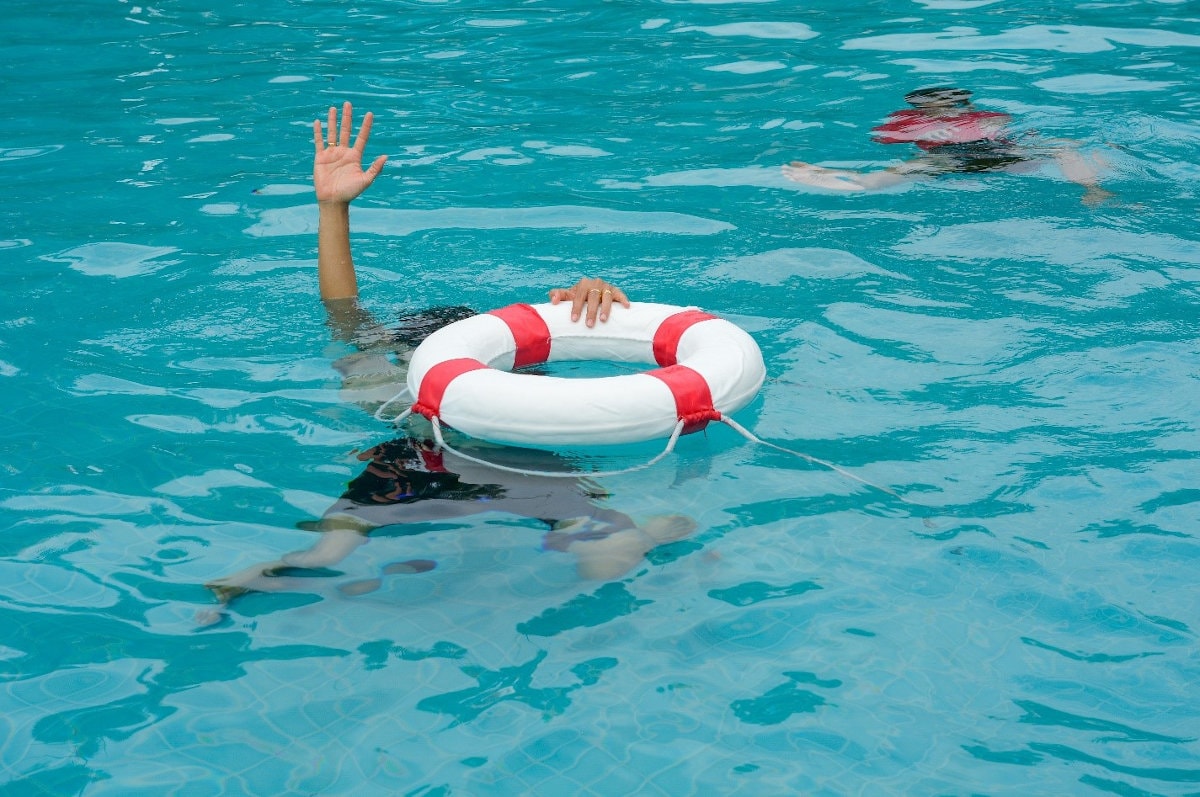
Depressed individuals (if on board) should be kept under constant surveillance as they may attempt suicide by jumping into the sea and drowning. Such persons otherwise neglect personal safety and are thus easily exposed to danger even without the intention of killing themselves.
Alcohol impairs motor power and ability to coordinate and causes rapid loss of body heat. Drunken or hangover individuals easily fall into the sea or even deliberately jump in, wanting to "freshen up", especially at night. Swimming under the influence of alcohol or drugs is very dangerous, and therefore persons under the influence of these means should not be allowed to swim or to "refresh" themselves in the sea or in the water.