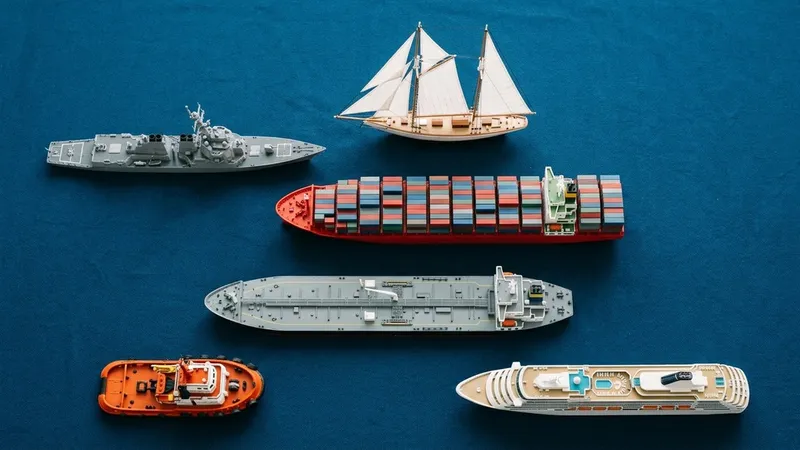
Boats have been integral to human history, serving various purposes, from transportation to recreation. The diversity of the types of ships worldwide reflects the unique needs and environments of different cultures and the distinct naval architecture used for their development.
From humble fishing boats to opulent luxury yachts, each type has its own features and uses. This comprehensive guide will teach you more about the various types of ships and vessel categories used globally, highlighting their distinct characteristics and functions.
Canoes and Kayaks
Canoes and kayaks are narrow, typically small boats, primarily paddled by hand. Canoes have an open design and are often used for recreational paddling or exploring calm waters. On the other hand, Kayaks are enclosed boats with a covered deck suitable for calm and rough waters. They are famous for activities such as kayaking and whitewater rafting.
Ferries
Ferries, fundamental maritime vessels, play a pivotal role in transporting passengers, vehicles, and goods across bodies of water. These vessels are characterized by their versatility and efficiency, making them essential components of transportation networks worldwide. One key feature of ferries is their ability to connect regions separated by water, offering a practical and often scenic alternative to traditional land-based travel.
Regarding design, ferries are typically equipped with spacious decks to accommodate vehicles such as cars, trucks, and bicycles. Passengers can enjoy a comfortable journey in designated seating areas, and some ferries even provide amenities like cafeterias, lounges, and outdoor viewing decks. This passenger-centric design contributes to the overall travel experience and makes ferries suitable for short-distance commutes and longer voyages.
Ferries serve diverse purposes, from daily commuter transport to tourist attractions and emergency evacuation routes. They are vital in regions with numerous islands or coastal areas where other transportation options may be limited. Additionally, ferries contribute to economic development by facilitating the movement of goods and fostering trade between communities on opposite shores.
Fishing Boats
Fishing boats, as their name suggests, are recreational boats specifically designed to facilitate fishing activities, catering to the needs of anglers pursuing various fish species. Fishing boats are designed for catching fish and other aquatic life. They vary widely depending on the type of fishing they are intended for, such as commercial, recreational, or subsistence fishing. Trawlers, longliners, and gillnetters are common types of fishing boats. Trawlers are equipped with large nets dragged along the sea floor, while longliners use a central fishing line with baited hooks. Gillnetters use vertical panels of netting to trap fish by their gills.
Another noteworthy type within this category is the Bass Boat, characterized by its shallow draft, high speed, and outboard power. Tailored for inland waters, these boats are ideal for chasing largemouth and smallmouth bass. While they offer creature comforts for bass fishing, they come at a higher cost than utilitarian options like smaller flat-bottom aluminum boats.
A growing interest has recently been in ‘center console fishing boats.’ These versatile vessels are suitable for inland water fishing and boast a sufficiently high freeboard and self-draining floors, enabling them to venture into larger bodies of water such as oceans, Great Lakes, or the Gulf of Mexico. Moving up the scale, deep-sea fishing boats stand out as the flagship vessels in this category. They come equipped with flying bridges, outriggers, fighting chairs, dual engines, and advanced electronics essential for genuine deep-sea fishing expeditions.
Houseboats
Houseboats are floating homes equipped with the necessary amenities for comfortable living. They are popular in areas with extensive waterways, offering a unique lifestyle. Houseboats can range from simple, primary dwellings to luxurious floating mansions. They provide a distinct living experience, combining the tranquility of waterfront living with mobility.
Luxury Yachts
Luxury yachts epitomize the pinnacle of maritime opulence, seamlessly blending sophistication with cutting-edge technology to offer an unparalleled seafaring experience. Crafted with meticulous attention to detail, these vessels boast expansive decks that provide panoramic views of the open ocean, creating an atmosphere of serene indulgence.
One distinctive feature of luxury yachts is their sumptuously appointed interiors. Lavish cabins are adorned with exquisite materials, from rich hardwoods to plush fabrics, evoking an ambiance of refined elegance. State-of-the-art amenities, including spacious lounges, gourmet kitchens, and spa-like bathrooms, elevate the onboard experience to sheer indulgence, ensuring that every moment at sea celebrates comfort and style.
Beyond their aesthetic allure, luxury yachts have advanced navigation and safety systems, reflecting a commitment to performance and security. Cutting-edge technology, such as stabilizers for smooth sailing and sophisticated communication systems, ensures that passengers can enjoy their journey in absolute tranquility, ensuring a safe and seamless voyage.
The uses of luxury yachts extend beyond mere transportation, evolving into floating sanctuaries for those seeking an exclusive escape. These vessels serve as private retreats for the discerning elite, hosting intimate gatherings, extravagant parties, or simply providing a secluded haven for relaxation. The versatility of luxury yachts also makes them ideal for corporate events, offering a unique and impressive venue that effortlessly combines business with pleasure on the open water.
In addition to their abundant amenities, luxury yachts often feature innovative design elements that enhance their aesthetic appeal and functionality. Sleek lines, expansive sun decks, and customizable layouts contribute to a sense of individuality, allowing owners to tailor their vessels to reflect their tastes and styles. Whether for leisurely cruises, social events, or business engagements, luxury yachts embody maritime sophistication, seamlessly blending technique, comfort, and cutting-edge technology on the high seas.
Military Boats
Military boats are designed for defense and tactical operations. They include patrol boats, destroyers, and aircraft carriers. Patrol boats are fast, maneuverable vessels used for coastal protection and surveillance. Destroyers are more significant, heavily armed ships capable of engaging in various combat scenarios. Aircraft carriers serve as mobile airbases, supporting naval and aerial operations.
Motorboats
Motorboats use an engine for propulsion, making them faster and more potent than sailboats. They are versatile and come in numerous styles, such as cruisers, speedboats, and pontoon boats. Cruisers are larger motorboats designed for extended stays on the water, equipped with amenities like cabins and kitchens. Powerboats are intended for high-speed water activities, while pontoon boats have flat decks atop cylindrical pontoons, offering stability and space for socializing.
Sailboats
From compact daysailing vessels measuring 12-14 feet to expansive ocean-faring sailboats spanning 40-50 feet or more, they are sailing appeals to individuals well-versed in the art of navigating by wind power, akin to the experiences of Magellan and Christopher Columbus. Enthusiastic sailors strongly dislike relying on engines, usually opting to engage them solely during harbor entry or exit. Instead, they rely on their sailing expertise to attain the desired speed and direction, irrespective of the wind’s course. This experience can be both enjoyable and demanding, making it less suitable for novice boaters.
Sailboats are recreational boats primarily propelled by sails. They come in various sizes and types, including dinghies, catamarans, and sloops. Dinghies are small, open boats often used for sailing practice or short-distance transport. Catamarans have two parallel hulls, providing stability and speed. Sloops, with a single mast and fore-and-aft rigging, are common for racing and cruising.
Submarines
Submarines are watercraft capable of underwater operation. While military submarines are well-known, civilian submarines are also used for exploration and research. These vessels have a sealed compartment that allows occupants to stay dry while submerged. Submarines are crucial for underwater research, allowing scientists to explore the ocean’s depths.
Traditional Wooden Boats
Many cultures have a rich tradition of building wooden boats using traditional methods. Examples include the dhow in the Middle East, the Viking longship in Scandinavia, and the traditional Chinese junk. These boats are often handcrafted and reflect the historical and cultural influences of the regions where they originated.
In conclusion, the world of boats is diverse and multifaceted, with each type serving specific needs and reflecting its origin’s cultural and environmental influences. From the simplicity of fishing boats to the extravagance of luxury yachts, the vast array of boat types showcases the ingenuity and adaptability of human maritime endeavors. Whether for livelihood, recreation, or exploration, boats continue to be integral to human life across the globe.