




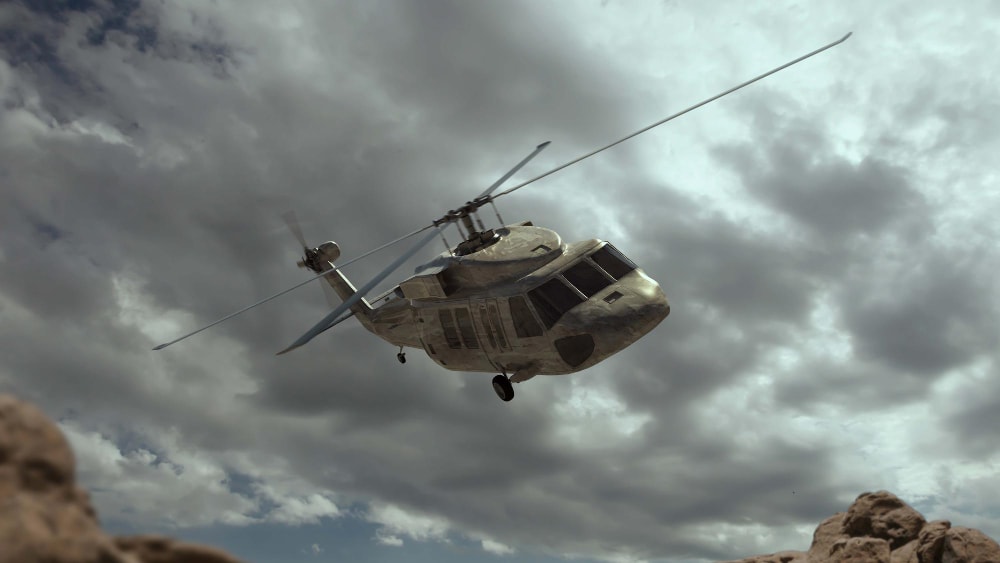
Helicopter Rescue at Sea: Procedures & Safety Guide
The sea is a two-faceted wonder. One minute, it inspires awe; the next thing you know, it has become a treacherous monster. With this kind of unpredictability, it's no wonder some people dread going out into the open waters.
No one can blame them, of course. All kinds of perils can happen once you're out at the vast expanse of the sea. The moment a maritime emergency unfolds far from the shore, the coordination and execution of helicopter rescue operations is critical to save lives.
This article will explain the different communication and safety protocols and measures and the use of specialized emergency evacuation and rescue equipment, including rescue strop and winch operations.
Introduction to Helicopter Search and Rescue Operations
Helicopter search and rescue operations are crucial in quick response to emergencies during maritime operations, including distress situations, medical evacuations, and shipwrecks.
The ability to reach remote areas and quickly extract people from sea vessels makes helicopters critical during maritime SAR or search and rescue missions.
These operations require the collaboration of several agencies, including aviation units, coast guards, and maritime authorities. This effective coordination will guarantee a seamless response where aviation capabilities and maritime expertise come together.
Communication Protocols During Helicopter Search and Rescue Operations
Precise and clear communication between the helicopter cockpit and the ship's bridge is paramount during search and rescue operations. Standardized radio protocols and frequencies are established to smooth the progress of efficient communication during every stage of the process.
Different visual signaling methods, including signal lights and flags, should also be used for conveying instructions between the helicopter and the ship. These visual signals play an essential role in the guidance of the aircraft during approach, hoisting, and extraction.
Various advanced systems for maritime communication, including satellite communication and VHF radios, are also utilized for real-time coordination and updates. The said systems allow constant contact even during harsh maritime conditions.
Safety Measures During Helicopter Search and Rescue Operations
Before the actual search and rescue operation, the ship's personnel and the helicopter crew will carry out briefings for pre-flight safety. These briefings cover the responsibilities and roles, emergency procedures, and the sequence of the actions that will be taken during the operation.
Identifying and preparing suitable HLZs or helicopter landing zones on the ship's deck is also crucial. HLZs should meet the specific stability and size criteria to make enough room to ensure the helicopter's safety.
The ship's crew will also adhere to stringent procedures to ensure the helicopter's safety during its approach and departure. It should also include securing all loose objects on the deck, offering clear radio and visual signals, and establishing the direction of the wind.
The helicopter and ship crew members should wear suitable PPE or personal protective equipment, including helmets and life jackets. The PPE improves safety throughout the operations, offering protection from potential hazards and risks and environmental and weather elements.
Specialized Equipment for Helicopter Search and Rescue Operations
Helicopter search and rescue operations at sea will only be possible with the help and use of specialized equipment, gear, and tools.
- Night Vision Equipment
The night vision equipment and goggles improve the ability of the helicopter crews to function and operate even under low-light conditions. The technology is critical to conducting search and rescue operations during emergencies during nighttime.
- Rescue Strop
Rescue strops are specialized devices used to extract people from vessels. These are made of a solid synthetic or nylon rope with attachment points that will secure the person being rescued.
- Stretcher and Basket Systems
The stretcher and basket system is used during medical emergency evacuations. The schemes guarantee the safe transport of an ill or injured person from the ship to the helicopter.
- Winch Operations
A helicopter with winch systems allows precise and safe vertical extractions from sea vessels. The winch operations necessitate skilled coordination between the ship's personnel and the helicopter crew.
Execution of Helicopter Search and Rescue Operations
Several steps and stages are involved to execute a safe and secure helicopter search and rescue operation.
- Assessment and Planning
Before starting a helicopter rescue operation, the first step is to evaluate the situation thoroughly. This planning will involve considering different factors, including the condition of the ship, the condition of the sea, and the condition of the weather.
- Hoisting Procedures
The helicopter crew will follow the standardized hoisting procedures during search and rescue operations. The hoisting process involves lowering a rescue strop or a rescue swimmer to the strop of the ship. The person will then be secured before being hoisted into the helicopter.
- Dynamic Positioning
A helicopter uses dynamic positioning systems to retain a stable position relative to the vessel during hoisting. It helps ensure safety and precision during the extraction of people from the ship.
- Medical Considerations
During a medical emergency evacuation, the helicopter might be equipped with the necessary equipment and a medical team. The coordination between the helicopter's medical team and the ship's medical personnel is critical for the patients to be transferred safely and sound.
Considerations and Challenges During Helicopter Search Rescue Operations
Like any search and rescue operation, there will always be considerations and challenges to consider during helicopter rescue at sea.
Comprehensive risk assessments should be conducted first before every operation. Strategies for risk management include alternative extraction techniques, contingency plans, and constant monitoring of the ever-changing conditions.
The ship's motion at sea may also pose serious challenges during helicopter search and rescue operations. The ship's crew should also know how to diminish the effects of pitch and roll to ensure the helicopter has a stable platform to land on.
Weather conditions have a significant impact on helicopter search and rescue operations. Rough seas, high winds, and adverse weather can all affect the safety and feasibility of rescue procedures.
Simulation and Training for Helicopter Rescue Operations
Considering the complexity of helicopter search and rescue operations, simulation and training are necessary to guarantee proper and safe execution.
Cross-training between helicopter and ship crews can help foster mutual collaboration and understanding. Understanding the limitations and capabilities of every team involved in the process can contribute to the seamless and smooth execution of search and rescue operations at sea.
Regular simulated drills involving the helicopter personnel and the ship's crew can improve emergency preparedness. These drills simulate different scenarios to allow for the practice of emergency procedures, coordination, and communication.
A Symphony of Collaboration and Precision for Safe and Successful Helicopter Search and Rescue Operations
Helicopter search and rescue operations at sea are almost similar to a delicate symphony of two different worlds: aviation and maritime. The communication, coordination, and execution during such operations call for expertise, precision, and a steadfast dedication to safety.
Adherence to the different stringent protocols, specialized gear and equipment, and continuous training can all ensure that each operation succeeds from start to finish. In today's ever-changing landscape of safety at sea, taking advantage of helicopter search and rescue capabilities will always be considered a beacon of hope and a silver lining that ensures that people in distress out in the open seas will quickly get the assistance they need when they most need it with no time wasted.
Of course, there is always the hope that the need for these operations won't ever happen, but preparedness and knowledge will remain essential for its proper execution.
Most Recent Posts
Discover more articles from our blog.