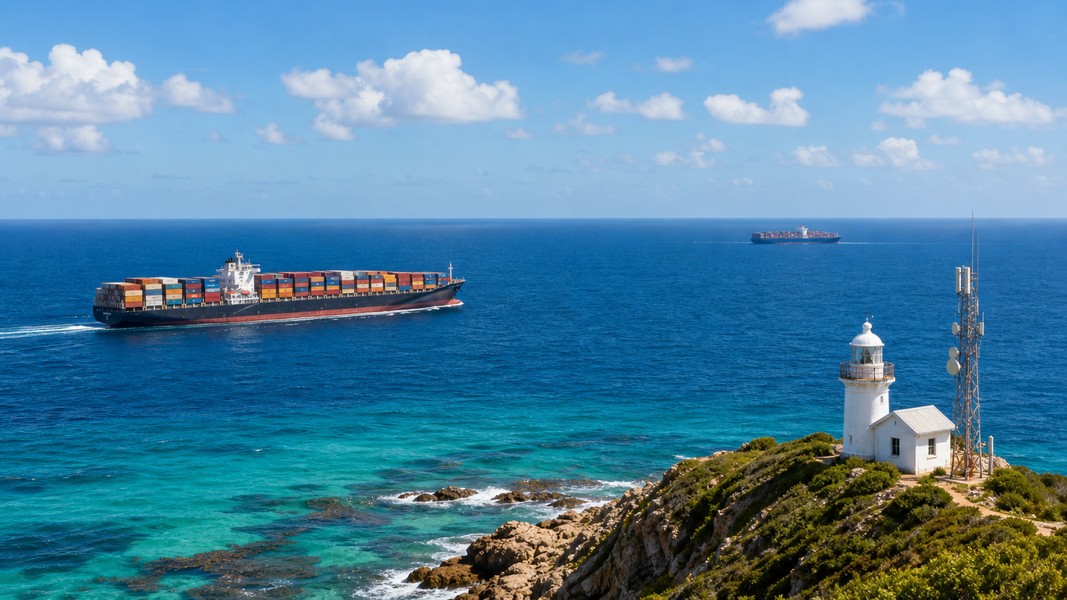





Safety Protocols in Maritime: Lessons from Seasoned Seafarers
It wouldn’t be an overstatement to say that the maritime industry is the backbone of almost all industries worldwide. After all, it is the lifeline of global trade and economy. Maritime shipping is often dubbed as among the safest and most eco-friendly means of goods transportation.
But considering the vast seas and the oceans, safety is critical to the maritime industry. This is why it’s no surprise that this particular sector was among the first to implement comprehensive standards for international safety as set forth by the International Maritime Organization.
This article delves into the most critical safety protocols in maritime coming straight from the seasoned seafarers.
Maritime Safety Defined
Maritime safety refers to the collection of different key measures to protect property and life at sea. These guidelines come from the SOLAS or International Convention for the Safety of Life at Sea. SOLAS provisions include setting how frequently ships should be inspected and implementing approved life-saving gear and appliances.
Certifications and training of the crew members also guarantee that sailors adhere to the best protocols and practices at sea. In general, IMO also supervises safety matters on global shipping. The organization is also in charge of preventing atmospheric and marine pollution.
Maritime Workers and the Common Risks They Face
Maritime workers on duty are exposed to a long list of risks. The authorities revealed that the industry of marine transportation alone recorded a total of 87 fatal injuries from 2011 to 2017. The numbers were almost up to six times the rate of the workers in the United States. Data from the United States Bureau of Labor Statistics also showed 11,000 non-fatal injuries in the maritime sector throughout the same period.
The following are some of the primary risks that maritime workers are often exposed to:
Accidents
There’s no way you can predict what will happen at sea; most of the time, life in the vast waters can get quite hazardous. Maritime workers are also exposed to life-threatening accidents at work daily. Objects placed poorly and improperly on the ship’s decks can result in obstruction and even slip and fall injuries.
Extreme temperatures
Dehydration, fatigue, hypothermia, and high body temperature can all occur when a maritime worker is exposed to extreme temperatures.
Falling objects
Loose items such as wrenches might fall from elevated platforms, posing a severe risk to the person under them. Any unsecured item is considered a hazard, considering how unpredictable a rolling ship can be.
Explosions and fires
Explosions and fires can cripple an entire vessel which can lead to the loss of goods, property, and even life. Fire tends to spread fast within a ship’s enclosed spaces. Fire detection, prevention, and extinction regulations seek to prevent total devastation, although accidents might still occur.
Respiratory illnesses and cancer
Seafarers are usually exposed to solvents, heavy metals, fumes, and asbestos, making them more prone to respiratory illnesses. Shipyard welders and workers are also more susceptible to cancer because of the dangerous airborne materials present in the work setting. Veteran seafarers and long-term workers also deal with the increased dangers of mesothelioma from previous exposure to asbestos.
The Importance of OSHA Maritime Standards
The maritime industry involves high risks and faces several health, safety, and environmental challenges that workers face daily.
The OSHA, or Occupational Safety and Health Administration, is the regulatory agency of the United States Department of Labor that guarantees and oversees healthy and safe working conditions for the entire American workforce.
The official guidelines set minimum requirements for maritime operations to offer workers protection from the dangers involved in shipboard employment.
The standards in the maritime industry, as enforced by the OSHA, are the official federal regulations related to the safety of people traveling and working on the sea. However, these standards are not for sailors alone. These also offer safety information for everyone who works on boats or in maritime settings. These include people working at ports, onboard ships, and similar marine environments.
Basic Maritime Safety Protocols
Below are several basic safety protocols in the maritime sector that every seafarer should learn and follow:
- Always let your office know where you will go and when you expect to return.
- Make sure you are familiar with the locations of the ship ladder if an incident occurs. Always bring a filtered mask when you are in the ship hold. Avoid entering closed compartments in the ship without your emergency breathing gear. Don’t enter a cargo hold without opening the hatches.
- Always adhere to the instructions of all ship personnel.
- See that emergency contacts are saved on speed dial for easy and quick access.
- Ensure that your safety gear is always with you, and don’t forget to use it at all times as needed.
- Stay alert and pay close attention to the things happening around you.
- Identify and observe the location of the essential first aid materials and terminal safety gear. It’s also a wise idea to have a smaller first aid kit with you that you can use for minor injuries. Don’t forget to get a tetanus shot if you sustain some cuts, whether onboard the ship or at the port.
- Always exercise caution when loading and discharging hazardous cargo, if any. While supervising cargo, see you have a copy of the Dangerous Cargo Manifest. Ensure that you also check the safety status of all the cargo equipment on the ship, such as cranes and forklifts.
- Be extra careful every time you walk atop cargo. Use plywood or dunnage where required to prevent void spaces. During cargo operations, avoid standing in the hatch.
- If you need to use the pilot ladder, make sure that you use a line for lifting your bag.
- The driver of the machine or crane won’t be able to see if you can’t also see them.
- Stay focused on devices such as phones, radios, and others when in a cargo area or on board. Try to wait until you find a clear and safe place.
- Avoid traversing the cargo areas, such as the top of the containers, while in active operations. The crane operator might be unable to see you.
- Never walk near a cargo stack where a forklift blade might accidentally hit you.
- Avoid walking on top of the bulk cargo if no other personnel is present or you’re not using a safety line.
- Don’t walk near or under a load when it is being lifted.
- Always wear your standard gear, including safety gloves, safety glasses, high visibility safety vest, safety shoes that could be ceramic or steel toe shields, and hard hats with chip straps when applicable. Additional gear includes a life vest that must be worn on or close to the water, respiration filters or masks, ear protection, and leg straps for the pant cuffs as necessary.
- Both hands should always be accessible whenever you board the ship’s gangway. Wear your life vest once you board in the stream.
- Using the pilot ladder, there must always be two solid contact points during your upward and downward movements. Use gloves that feature gripping surfaces, particularly during bad weather conditions. Follow the launch captain’s instructions at all times and test the ladder carrying your weight before you use one.
Remember all these safety protocols to ensure a safe maritime experience every time.
Most Recent Posts
Discover more articles from our blog.