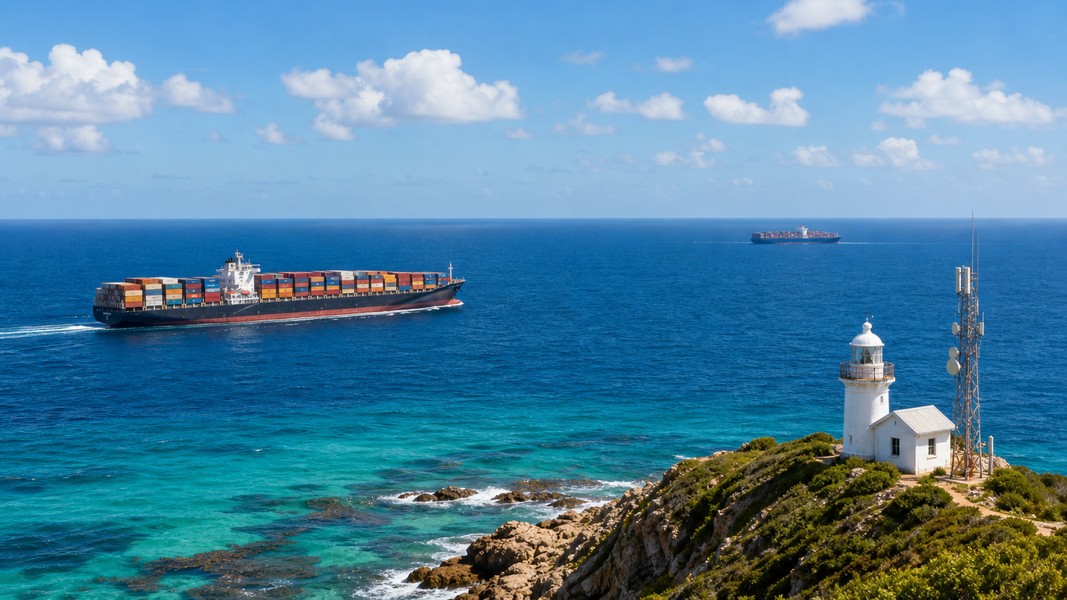





Mental Resilience Strategies for Modern Seafarers
Let’s face it: the environment where seafarers work is a far cry from the usual workplace. Their place of work is filled with challenges. As a result, they are left with no choice but to deal with physical and psychological stressors head-on every single day.
To make things worse, this onslaught of difficulties is further aggravated by the fact that they are far from their families, loved ones, and friends. Despite the continuous improvement of connectivity and WiFi on board most vessels, more is needed to improve and nurture mental well-being while onboard a shipping vessel.
Indeed, seafarers have to sail through storms, both literally and figuratively. This is why modern seafarers must learn and master mental resilience strategies that will help them make it through the most significant and scariest storms in their minds.
Importance of Mental Resilience at Sea
Shipping can only deal with the potential challenges of the next few years if it attracts a new generation of capable seafarers with the most recent knowledge, specifically those relevant to alternative fuels and the latest digital technology. Careers at sea are now expected to keep up with onshore careers. It only means that, quite rightly, seafarers expect more from their life on board ships.
One aspect that makes life on ships easier and more bearable for seafarers is for them to nurture and protect their mental wellness and health at sea. The maritime industry has been traditionally good at considering the safety and health of its workers. It sets the best practices to guarantee excellent health and prevent injuries aboard ships.
But there seems to be a lag in terms of mental health discussions. Stigma is primarily the reason for this. But for the past several months, there has been a notable increase in the level of conversations regarding mental health. It can be considered a great thing, especially since it’s essential to recognize and acknowledge how mentally tough life on board a ship can get.
It’s also critical to address the best ways of supporting the crew. In this aspect, it is clear that the ship managers should be the ones to play the crucial role here as they are the primary point of focus regarding crewing.
Even though the pandemic has come and gone, eliminating the instability and uncertainty that it brought three years ago, it is not surprising that many seafarers continue to suffer from anxiety, stress, and depression. It has also been discovered that throughout the COVID-19 pandemic, there was a high prevalence of anxiety, depression, and psychiatric disorders in general.
Often considered a more macho profession, the truth is that being a seafarer calls for more than physical strength alone. Due to the need to spend a long time away from their families and loved ones working in harsh and typically unforgiving conditions, seafarers must also learn how to develop a strong sense of purpose and resilience.
Experts state that this resilience will allow seafarers to be more discerning in accepting whatever situation life throws their way, thus helping them better manage their expectations.
Developing mental resilience is all about having the ability to adapt to whatever situation, whether it is stress, trauma, or other similar trigger points. For instance, accepting the situation during the pandemic should have made them understand that the rules and restrictions were implemented to keep them and the people around them safe.
They also said that a support group on board a ship to monitor seafarers’ mental health is among the best means of building resilience. It is also critical for seafarers to form a relationship and retain good communication with their colleagues with whom they spend all their time.
Now that you know the reasons why mental resilience is essential for modern seafarers, the following are a few helpful strategies to nurture it:
Avoid Stigmatizing Mental Illness
Unfortunately, mental illnesses are still stigmatized in most parts of the world, with mental health awareness being relatively low in most countries. What seafarers and the general public should realize is that mental health concerns are just the same as other common illnesses like migraines or fever.
There are instances when these issues occur due to chemical imbalances. Similar to how you consult your doctor when you have a fever, you also have to do the same thing if you suspect that you have a mental illness.
Modern society must understand that psychologists and counselors have an ethical duty to keep their patients’ identities and information confidential. Thus, there shouldn’t be any reason not to see any of these healthcare professionals if you think you can use some help when it comes to your mental health.
As a seafarer, rather than letting the stigma stop you from seeking assistance, one of the best mental resilience strategies is acknowledging and facing the issue head-on with help and support.
Have Honest and Open Discussions in Safe Settings
Open communication and good relationships can allow seafarers to form a safer space where their colleagues can talk about the problems or issues they might be dealing with. This way, they can be a pillar of strength for each other.
Seafarers on a vessel have a tiny community of their own. This is why it’s critical to maintain good communication, mainly when they are out at sea without any means to communicate with the loved ones and family they left back home.
As comrades, seafarers must also have a good and unbiased understanding of mental health issues and high levels of empathy. To have empathy means seafarers should acknowledge and accept every time another seafarer expresses emotions and thoughts.
Seafarers should learn how to listen to their colleagues and try putting themselves in their shoes to understand their particular situation better. If seafarers always keep an open mind and have high empathy regarding the problems faced by their colleagues, it will allow them to become more supportive. They will also be more inclined to look for the best solution to help them out.
Learn How to Read the Signs
Basic knowledge and awareness of mental health first aid are critical for seafarers to help themselves and their colleagues. This will empower them to identify drastic changes or strange behaviors among their colleagues. These are often signs that point out that a person may be suffering from a mental health problem.
Even though all people have their unique coping mechanisms for anxiety and everyday stress, someone who experiences acute anxiety, stress, and depression may require intervention as soon as possible. The real danger occurs when the person starts dipping into a neurosis stage that can make the psychotic state much worse, where they might begin to get out of touch with reality and believe, hear, or see things that aren’t even real.
The moment a person acts differently or shows drastic changes for two weeks, for instance, always looking unkempt, not having any appetite, or needing to be alone out of the ordinary, all of these should be considered warning signs.
A supervisor or colleague might request online counseling sessions to help address any problem that the seafarer might be dealing with. This should be done before they even dive into psychosis or neurosis. It’s the reason why the maritime industry should provide basic mental health training for all seafarers to help them identify trigger points, conduct the necessary interventions, and act fast before it’s too late.
Most Recent Posts
Discover more articles from our blog.