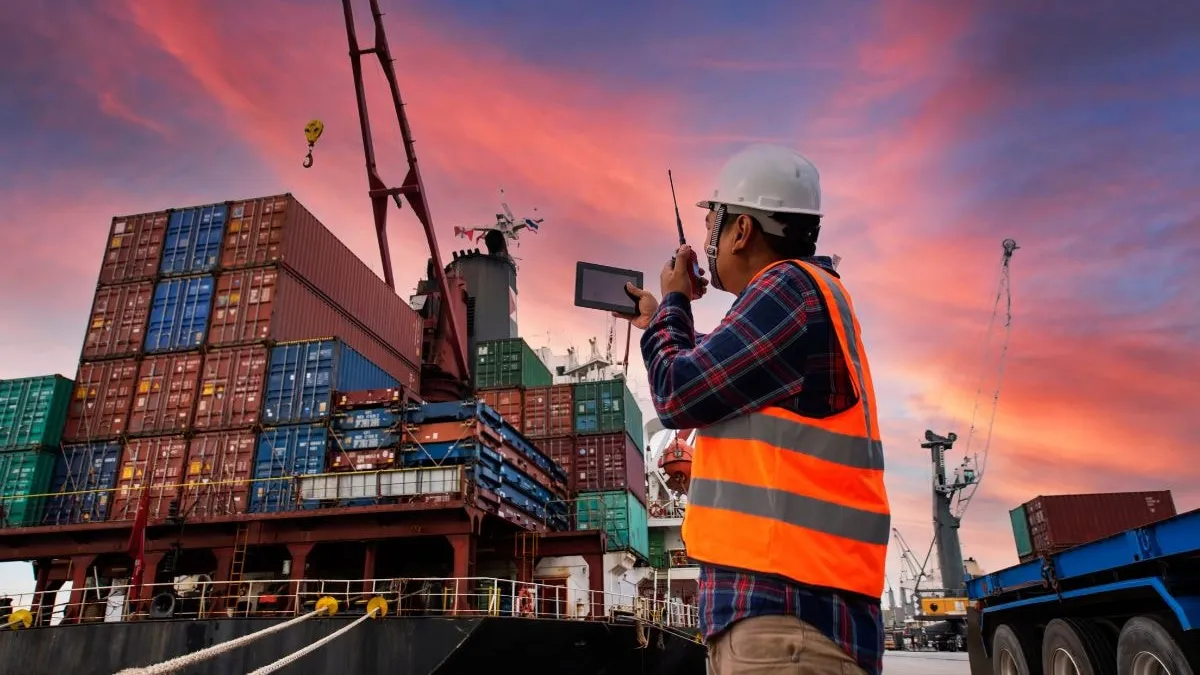
Maritime operations can be very complex, requiring the perfect balance of procedures, technology, and human expertise. Whether it involves managing cargo operations, navigating through tricky waters, or ensuring passenger safety, the effectiveness and efficiency of maritime operations are greatly dependent on human performance.
Overview of Human Performance and Human Factors
The concept of the human element has always been extensively discussed in shipping and other industries where safety and health are significant concerns and incidents are sad realities of day-to-day operations.
Over the past few years, human factors and performance have become more prevalent in emphasizing the leading causes of maritime incidents. One is often used as an alternative to the other. But what do these two terms mean in the first place?
Regarding human error, there is always an assumption that incidents are associated with human involvement. Reports revealed that most maritime occurrences for the past decade were connected to human action.
It gives the impression that incidents are caused by people, which makes the world forget that most decisions and mistakes are usually the result of the entire workplace’s setup, including the working patterns, assurance of control, the way people interact, and how leaders influence an organization’s culture as a whole.
Most studies on the human factor also focus on the human factor at work. However, the maritime context is unique because maritime professionals’ living and working environments are the same.
In seafaring, people sleep, work, eat, recreate, stress, and relax on a ship, typically for a long time.
Defining Human Performance
When you speak of human performance, it pertains to the series of behaviors carried out to achieve specific results. Performance is often the result of outcomes or what people do in addition to behavior or how people do what they do. For example, why do some people always wear their PPE or personal protective equipment with no exception, while others wear it when they fear being caught?
Specialists in human performance focus more on behaviors like teamwork and leadership. The main intervention methods for human performance are behavior change methods, coaching, training, and awareness-raising, which tend to be not led by design.
The main goal of human performance is to manage controls and reduce errors. Having the proper procedures in place doesn’t necessarily and automatically mean that people will always follow them without making mistakes.
This is where safety programs lie: to acknowledge and accept that people commit errors, understand why they still do them, eliminate or reduce mistakes in the future, and ultimately protect workers from their own mistakes.
Defining Human Factors
Human factors, also called Ergonomics, are defined by the World Health Organization as the organizational, job, and environmental factors and individual and human characteristics that affect work behavior in a way that influences safety and health. It means three interconnected aspects that cannot be individually scrutinized shape the scope of human factors. These are the following:
- The individual
It includes the seafarer’s skills, competence, risk perception, attitude, and personality, which have complex effects on their behavior. Personality-related characteristics are fixed, while soft and hard skills can be honed and developed.
- The job
It encompasses the nature of the required tasks, procedures, workload, and working environment. The daily routine of a seafarer onboard a ship is an excellent example.
- The organization
It includes leadership, internal communications, safety culture, and work patterns, to mention a few. In complex industries such as shipping, a firm’s culture can significantly impact work behaviors that can affect the ship’s efficiency, safety, and health.
Twelve elements can influence people to commit errors, affecting maritime safety. These 12 most common human factors, infamously known as the Deadly Dozen, are the following:
- Alerting
- Capability
- Communication
- Complacency
- Culture
- Distractions
- Fatigue
- Fit for Duty
- Local Practices
- Pressure
- Situational Awareness
- Teamwork
Human performance refers to how people work and represents a human contribution to the system’s performance. Conversely, human factors emphasize the support for human performance.
Human performance has one essential purpose: to study tools that can be provided to reduce errors and their resulting implications. The human factor is broader and includes interactions among humans and the rest of the system’s elements.
From this perspective, it is safe to deduce that human performance and human factors complement each other.
The Human Factors and Their Role in Maritime Operations
Human factors play a crucial role in maritime operations. These include teamwork, workload management, communication, decision-making, and cognition.
The unique maritime environment, with its equally distinct challenges, such as high-risk scenarios, unpredictable weather conditions, long hours, and isolation, only highlights the importance of systematically addressing human performance.
Education and Training
Investments in comprehensive education and training programs are crucial to improving maritime operations and the human performance involved. Personnel who undergo proper training are much better equipped to deal with the challenges and complexities of their roles.
This results in better operational efficiency, safety outcomes, and decision-making. Training should cover a broader range of areas, such as interpersonal skills, crisis management, navigation techniques, and emergency procedures.
In addition to these, ongoing initiatives for professional development must also be implemented and observed to ensure that all maritime experts stay updated with the newest technological advancements, regulations, and standards. This ongoing learning will improve the person’s competency and foster a culture of innovation and excellence among maritime organizations.
Crew Resource Management (CRM)
Effective communication and teamwork are critical components of efficient and safe maritime operations.
CRM or Crew Resource Management methods maximize human performance by promoting effective communication, shared situational awareness, and collaboration among crew members.
CRM can help mitigate the risks linked to human error and improve operational resilience overall by nurturing a culture of open communication and mutual respect.
CRM training programs usually include interactive exercises, case studies, and simulations to hone leadership skills, conflict resolution abilities, and decision-making. CRM upholds a proactive risk management approach by encouraging crew members to ask questions, offer suggestions, voice concerns, and enhance team dynamics.
Fatigue Management
It’s no secret that fatigue can substantially threaten human performance in maritime operations. It can impair cognitive function, decision-making abilities, and reaction times. Prolonged working hours, disrupted sleep patterns, and irregular shift schedules further worsen the risk of fatigue among maritime industry workers, increasing the likelihood of accidents and errors.
Implementing robust fatigue management strategies is critical to protecting maritime personnel’s performance and well-being. These strategies may involve stringent rest periods, optimizing work schedules to reduce fatigue, and providing sufficient amenities for recreation and relaxation. In addition, educating crew members regarding the importance of stress management methods and sleep hygiene can reduce fatigue’s effects on overall performance.
Automation and Technology
Advancements in automation and technology have transformed today’s maritime operations, offering new and exciting opportunities to improve operational efficiency and human performance.
From predictive analytics and integrated navigation systems to ROVs (remotely operated vessels) and UAVs (uncrewed aerial vehicles), technology-based solutions empower maritime personnel to safely and effectively perform their duties.
However, even though technology can boost human capabilities, achieving the perfect balance between human involvement and automation is still essential. Excessive reliance on automation may result in losing critical skills and complacency among maritime professionals.
This is why offering sufficient support and training is essential to ensure crew members can effectively oversee and use automated systems while maintaining decision-making authority and situational awareness.
Leadership and Safety Culture
A solid safety culture begins right at the top, wherein leadership sets the tone for the organization’s behaviors, values, and priorities. Maritime companies must consider safety as their key priority and core value, and they must showcase the commitment of a firm to nurturing a culture of open communication, accountability, and continuous improvement.
Leadership training programs should focus on the essence of psychological safety and encourage employees to raise their concerns about safety without fear of retribution. By nurturing a practical approach to risk identification and mitigation, leaders can promote an environment that optimizes human performance where safety is vital.