



Ship Alarms: Fire Alarm, General Alarm & Emergency Signals
Every alarm sound on a ship means something specific. Whether it's a fire alarm, a general emergency, or a man-overboard signal, knowing the difference and responding correctly can save lives.
This guide breaks down the most important ship alarm signals - what each sounds like, what it means, and what you must do when you hear it.
Types of Ship Alarm Signals
Only one of these patterns is fixed internationally: SOLAS (Safety of Life at Sea) defines the general emergency alarm. The other signals are set out in each ship's muster list, so the list posted on board is the final word. Here are the alarm signals every person on board should know:
Fire Alarm
On many ships the fire signal is a continuous ringing of the alarm bells, often sounded for at least 10 seconds, but the exact pattern is the one written in the ship's muster list. On modern vessels this is often a continuous electronic alarm tone.
What to do: Do not attempt to fight the fire unless you are trained and equipped. Proceed to your designated muster station, put on your life jacket, and follow crew instructions. Close all doors and portholes in your area to slow the spread.
General Emergency Alarm
Seven or more short blasts followed by one long blast on the ship's whistle or siren, sounded at the same time on the alarm bells or klaxon. This pattern is set by the LSA Code under SOLAS, and it calls everyone to their muster station for any serious emergency. It is not the order to abandon ship: that order is given by the master, by voice over the public address system, and the muster list says how it will be given.
What to do: Put on your life jacket immediately. Proceed calmly to your muster station. Do not return to your cabin for belongings. Await further instructions from the crew, and leave the ship only when the master orders it.
Man Overboard Signal
On most ships, three long blasts on the ship's whistle, the Morse letter O. This alerts the crew and signals the immediate emergency.
What to do: If you witness someone fall overboard, shout "man overboard" loudly and point toward them. Throw a lifebuoy if one is nearby. Do not jump in - alert the crew and keep the person in sight.
CO₂ Flooding Alarm
A continuous sounding CO₂ alarm warns that the carbon dioxide firefighting system is about to be activated in a specific space, such as the engine room. CO₂ displaces oxygen and will be lethal to anyone remaining in the space.
What to do: Evacuate the affected space immediately. Do not re-enter until the all-clear is given by an officer.
Muster Drill Signal
A drill starts with the same general emergency alarm, seven or more short blasts and one long, followed by an announcement that it is a drill. All passengers and crew must proceed to their muster stations.
The Role of the General Alarm System
A ship's general alarm system is the primary tool for communicating emergencies to everyone on board - crew and passengers alike. It doesn't matter whether a fire breaks out, a collision occurs, or a man falls overboard: the alarm ensures that no one on the vessel misses the signal.
Modern ships integrate their alarm systems with the central bridge control panel, where trained officers monitor and activate each system. Sensors can trigger alarms automatically - for example, smoke detectors trigger the fire alarm - or the crew can activate them manually.
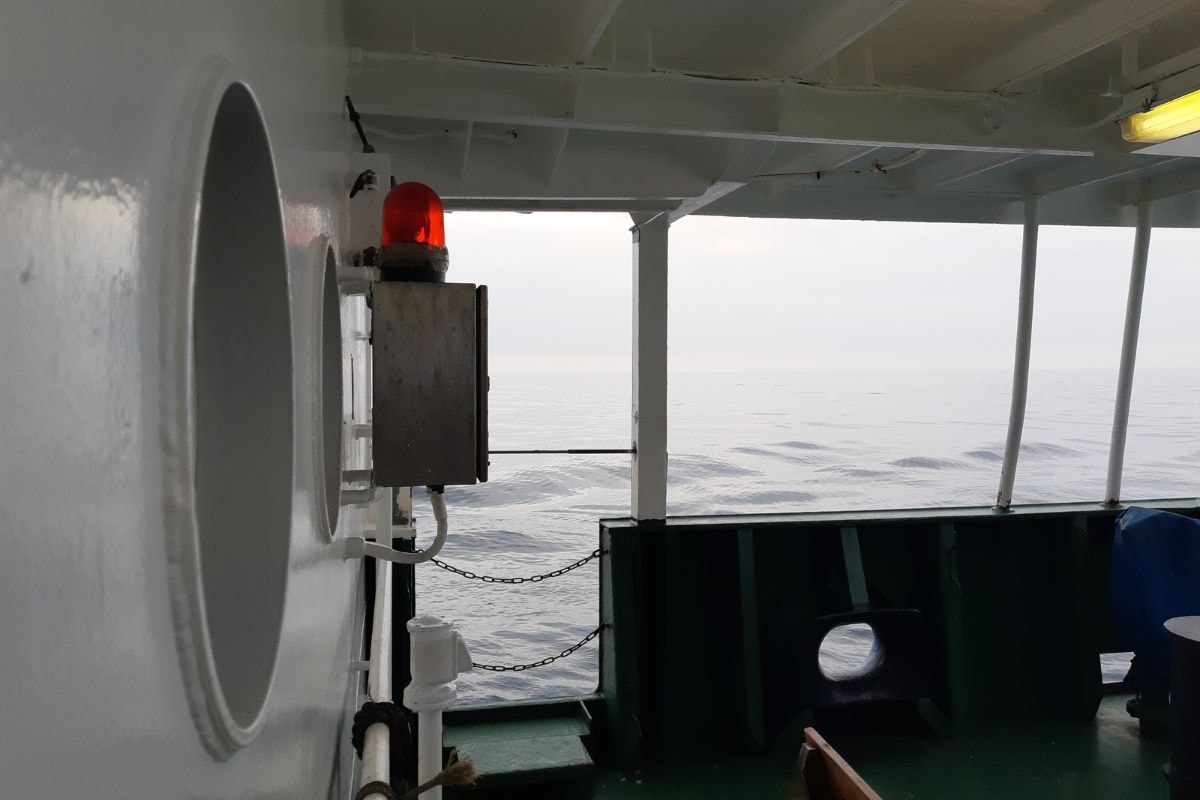
Visual signals accompany the audible alarm on most vessels: flashing lights and indicator panels on the bridge and in cabins ensure that even passengers in noisy environments or those with hearing impairments receive the emergency notification.
What to Do When a Ship Alarm Sounds
The moment a ship alarm activates, every second counts. Here is the standard procedure passengers and crew should follow:
Stay calm. Panic is the greatest danger during any onboard emergency. A calm, focused person can follow procedures, help others, and reach safety. Panic leads to gridlock at exits and muster stations.
Put on your life jacket. In a serious emergency, you may need to enter the water. Life jackets keep you afloat without effort. Put yours on before leaving your cabin.
Proceed to your muster station. Every passenger is assigned a muster station on boarding. This is the gathering point for evacuation. Crew members guide everyone to lifeboats from here.
Follow crew instructions. Ship crew train regularly in emergency procedures. During a real emergency, follow their directions - they know the layout, the equipment, and the correct response for each alarm type.
Help others. Assist elderly passengers, children, and anyone who needs support reaching their muster station. Collective response saves more lives than individual action.
Stay informed. Listen for announcements on the ship's public address system. Officers will provide updates on the nature of the emergency and the steps being taken.
Why General Alarm Systems Matter
The general alarm is the first line of defense in any maritime emergency. A fire contained in the engine room becomes catastrophic if the rest of the ship doesn't know about it within seconds. A man overboard who isn't reported immediately may not be recovered.
Modern general alarm systems are designed to reach every space on the ship simultaneously - cabins, public areas, engine rooms, and crew quarters. Combined with regular muster drills, they ensure that everyone on board knows their role and their route before an emergency happens.
Understanding what each alarm signal means is not optional - it is a basic safety requirement for everyone who goes to sea, whether as a passenger, a guest, or a crew member.
If you want to learn more about maritime emergencies and safety, read our guide to abandon ship procedures and our overview of life-saving appliances on ships.
Most Recent Posts
Discover more articles from our blog.