



Effective Strategies for Ballast Water Management
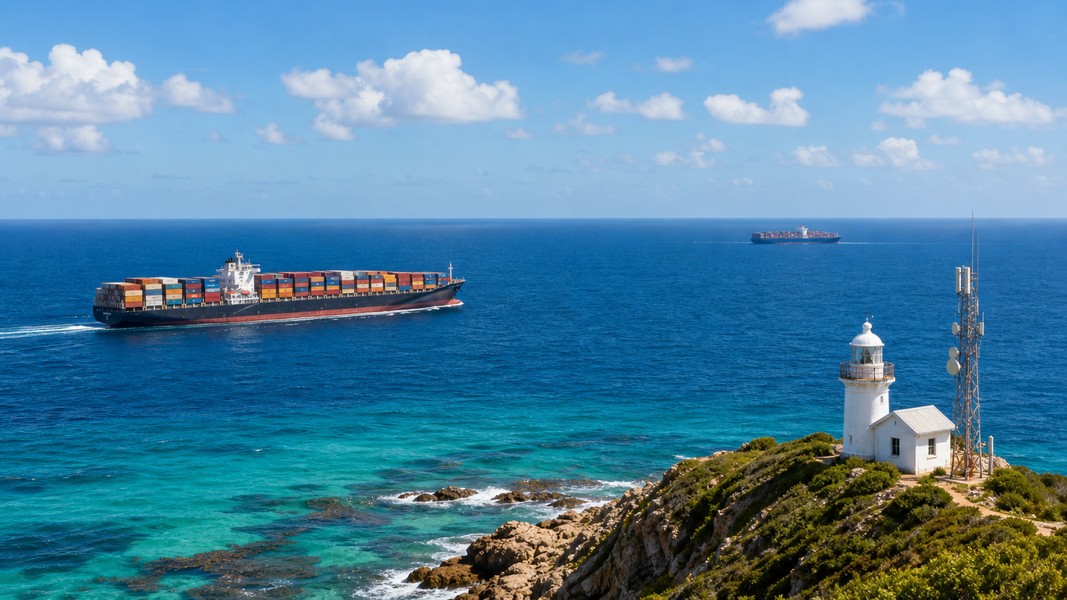
Massive cargo ships use ballast water to keep them stable and balance their weight during a voyage. While ballast water is critical for safety, it can also harm the marine environment since its discharge exposes it to potentially invasive species. Proper ballast water management and treatment can significantly lower this risk and ensure environmental protection while adhering to maritime regulations.
Ballast Water Defined
Ballast refers to the extra weight added to ships when their cargo is unloaded. Without this, ships would pop out like a cork out of water, making them unstable.
Ships that sailed the seas before the 1880s used solid materials for ballast, such as sand and rocks. People shoveled these materials into and out of the cargo holds back then. Unfortunately, solid ballast that is not correctly secured could shift in heavy seas, causing a risk of capsizing.
When the 20th century came, and automatic pumping technologies and steel-hulled ships were introduced, water became a much safer choice of ballast material for vessels.
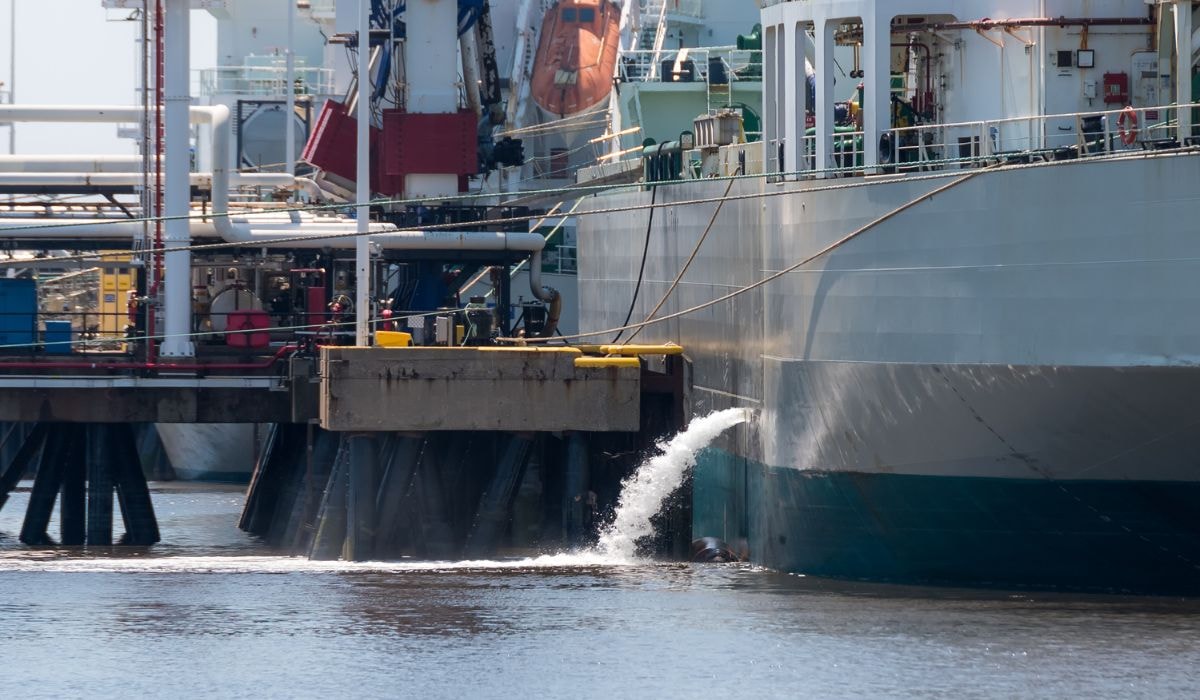
When a ship needs ballast, water is easily pumped into the ballast tanks from the inland waters or the sea where the vessel is located to add weight to its sides and bottom. Ballast water is pumped to the ocean once it’s no longer needed or when the ship’s weight must be lightened, such as while it takes on cargo.
Disposing of ballast water on land while the ship is at berth is also possible. However, this is an uncommon practice because it is expensive and requires complex processes and specialized equipment.
Ballast tanks are critical to ship design, and their size and number vary depending on the vessel’s construction and type. Ships can also have various ballast capacities and capabilities. In general, however, ballast tanks equate to 25% to 30% of the weight that can be carried by the ship, such as cargo, food, water, fuel, crew, and passengers, or the ship’s deadweight tonnage.
Importance of Ballast Water
Ballast water is critical for ships to operate safely. It adjusts the vessel’s overall weight and distribution so that the ship floats upright and is stable.
Ballast compensates for various cargo loads that ships may carry at differing times, such as weight changes during unloading and loading. It also offers maneuverability and stability during a ship’s voyage.
Ballasting, wherein a commercial vessel pumps water out or into its ballast tanks at a port or in transit, is critical for safety, particularly if the ship carries a heavy load in one hold and another carrying a lighter load or empty facing rough seas.
It’s important to remember that ballasting differs from bunkering, the process whereby a ship’s fuel tanks, known as bunker tanks, are filled with marine or marine fuel required for the voyage.
Importance of Ballast Water Management Plan
A ballast water management plan is meant to help ship owners manage ballast water-associated risks. The plan outlines the processes to be followed while taking on ballast water and discharging it and its sediments. The plan also specifies treatment methods to reduce the hazard of transferring invasive species.
The IMO, or International Maritime Organization, developed guidelines for ballast water management, which were incorporated into the BWMC, or Ballast Water Management Convention. The BWMC states requirements for ballast water and sediment treatment.
According to IMO, under the BWMC, every ship in international traffic must manage its ballast water and sediments to a standard based on a ballast water management plan specific to the vessel.
All ships must also have an international ballast water management certificate and a record book. The standards for ballast water management are phased in over a certain period. As an intermediate solution, ships must exchange ballast water in the middle of the ocean.
But by September 8, 2024, many ships will be mandated to have their onboard ballast water treatment system compliant with the IMO-D2 regulations.
Based on the BWMC’s Article 2 General Obligations, parties undertake to give complete effect to the Convention and the Annex’s provisions to prevent, reduce, and ultimately do away with the transfer of dangerous aquatic pathogens and organisms through the management and control of the ballast water and sediments of the ship.
The plan also improves the safety of a vessel. Adhering to the guidelines helps vessel owners ensure that their ships are operated safely while adhering to global regulations. It helps lessen the dangers of accidents and guarantee safety onboard.
Threats and Dangers of Untreated Ballast Water
The marine environment is exposed to ballast water threats because numerous marine species are carried in the ballast water of rigs and ships. Vessels that take in ballast water in one area and discharge it in a different location can cause issues. Ballast water from various locations usually contains microbes, alien bacteria, and tiny invertebrates or animals with no bony skeleton or backbone.
Invasive species found in ballast water often survive to produce a reproductive population in a new host environment. There is a risk of alien species out-competing the native species, multiplying into pest proportions. Invasive species are organisms that cause economic or ecological harm in a non-native new environment.
Ballast water is an inevitable aspect of global offshore and shipping operations. However, the latest maritime regulations and rules aim to limit the effect on marine life by controlling ballast water management.
Ballast water usually contains marine organisms, plankton, larvae, and eggs that might survive and plague the local marine ecological system once introduced to the new environment. Estimates reveal that over 7,000 species are transported daily through ballast tanks, and around 40 recent invasions have occurred due to ballast water discharge.
The consequences of the discharge of untreated ballast water can be experienced worldwide. The following are some of the examples of these invasive species:
- American Comb Jelly (Mnemiopsis leidyi)
Ballast water from oil tankers accidentally transported a jellyfish from North America to the Black Sea during the 1980s. It altered the ecosystem there and destroyed the fishery. Since then, it has spread to the waters of Europe and is currently found along the Swedish and Danish coastlines. This is described as an invasive species that is impossible to eradicate.
- European Green Crab
This species seriously threatens marine ecosystems because it feeds on intertidal animals such as juvenile crabs, clams, mussels, and oysters. The Green Crab can alter the balance between ecosystem species and affect biodiversity.
- Freshwater Zebra Mussel
This tiny mussel native to the area of the Black Sea has already spread globally and extensively. Despite being very small, freshwater zebra mussels have serious adverse effects on the local ecosystems. They are a significant issue in the United States Great Lakes, where they arrived after large European ships discharged ballast water.
Zebra mussels are also infamous guests in European waters. They pose serious concerns in many rivers and lakes, where they can clog water intakes and cleanse the water from algae that feed native species.
Each species affects the marine environment, the natural balance, and the biodiversity between species. These invasive species also affect human health, economic consequences, and native biodiversity.
Millions of dollars are spent to control these invasive species. However, the best and most effective solution to this issue is to prevent it from happening. The purpose of the latest stringent global standards for ballast water discharge is to prevent the accidental transfer of species to new waters.
Implementation of Ballast Water Management Plan
Implementing a ballast water management plan can be complicated, and shipowners must comply entirely with the BWMC’s regulations. The plan involves developing a plan outlining the sediment and ballast water management process and ensuring that ships are fitted with an approved system for ballast water treatment.
Shipowners must also ensure crew members undergo training on the correct sediments and ballast water management procedure. This involves offering training on using systems for ballast water treatments and ensuring crew members understand the essence of following the set rules and guidelines.
International Response to Ballast Water
The maritime society recognizes and acknowledges the dangers and risks of ballast water. Ballast water affects more than just the maritime environment and local fauna. Its massive impact on the economy and possible long-term human and environmental damages have led to the establishment of regional, national, and international regulations to control the organisms and species being unloaded and loaded.
Today, shipowners must understand maritime regulations and identify a system that best suits their vessels. The system must also gain the approval of the relevant international bodies, such as the USCG and the IMO. Invasive species in ballast water are a serious international concern, and the response must also be global. Shipowners must ensure that their new ballast water systems are approved for the harbors and the waters they plan to visit.
Most Recent Posts
Discover more articles from our blog.