



Developing Skills for Future Maritime Mechanics
Modern maritime operations are expected to become more automated and digitalized in the next few years as the shipping sector adopts alternative fuel technologies. With such a looming significant change, people who wish to embark on maritime careers must undergo the necessary maritime training and mechanic skills development to thrive and succeed.
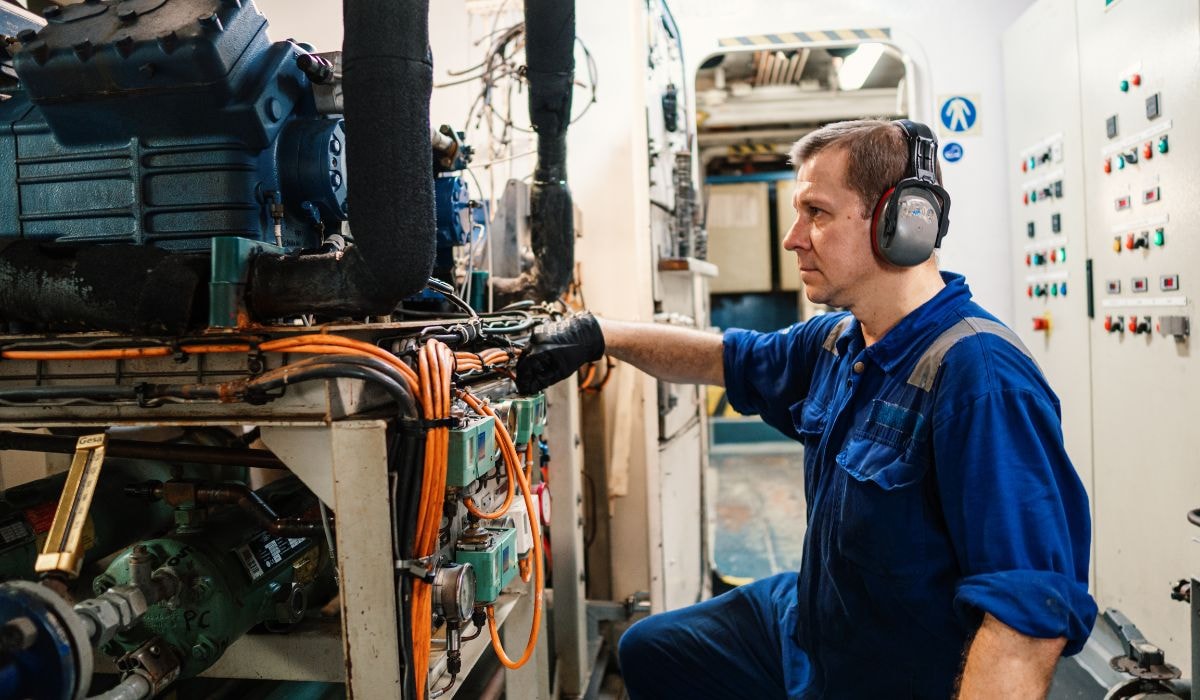
Commonly referred to as marine technicians, maritime mechanics repair electrical and mechanical parts of boats and ship engines. They often work in marinas, docks, seaports, and shops where they repair all sizes and shapes of watercraft, from container ships to sport fishing boats.
A career as a maritime mechanic can be thrilling for anyone who dreams of a life out on the water. It also suits anyone who enjoys working with their hands and those with strong problem-solving and analytical skills.
But like any other career, being a maritime mechanic requires a certain set of training and skills.
If you have always dreamed of starting your career as a maritime technician, you have to know what it takes to thrive in this field. Here are some of the top skills and traits expected in maritime mechanics.
Love for Water
Maritime mechanics spend most of their days and nights by or on the water, which makes it a suitable profession for someone who loves the great outdoors and boating. Most technicians work in repair shops, while some work outside in marinas and docks, where all the action happens.
However, working on engines and repairing equipment is just one of the many aspects of a technician’s job. Most techs spend most of their time carrying out routine maintenance and testing the vessels they work on to guarantee that everything runs smoothly from top to bottom.
Ask any successful marine technician, and they will surely tell you that it is essential that you love the water if you wish to become successful in this particular career. Most maritime mechanics who choose this particular path have already had a love for boats since their younger days. They have also been working in the industry for many years.
Keen Eye for Detail
The success of people with maritime careers depends heavily on being detail-oriented. The boats they maintain and repair are quite complex, requiring excellent precision and a keen understanding of all moving parts and how they work together.
Maritime training and mechanic skills development should emphasize the importance of being responsible and careful in their work, avoiding damage to equipment, and maintaining a safe environment for their fellow technicians and their clients.
Honing a keen eye for detail usually comes with a commitment to excellence. Maritime mechanics who are serious about their job and care about the happiness and safety of their clients often go beyond expectations to ensure that everything is in place down to the smallest detail. They understand their role and its importance and never take on responsibilities nonchalantly.
Diagnostic Skills
When a ship requires repair, maritime technicians initially pinpoint the problem. They use their technical expertise to diagnose the issue, develop the most suitable solution, and repair it effectively and safely.
Hands-on experience, formal training, and trial and error are often the best ways to acquire and develop diagnostic skills. This is why most maritime mechanics undergo specialized mechanic skills development and training programs.
These programs offer technical knowledge and hands-on experience to prepare future mechanics for maritime careers as entry-level technicians in marine dealers, marinas, boatyards, and other related fields.
Hardworking
It takes serious hard work to become a maritime mechanic. The job is far from easy, but it can also be very rewarding for anyone passionate about the industry.
People who have undergone maritime training can advance to various roles during their careers, which might require them to come in early and stay late to acquire more experience. Working hard today can lead to more exciting opportunities tomorrow.
Initiative
Maritime mechanics must be self-starters on the job. These professionals often complete repairs that don’t always come with user manuals, necessitating the need to know how to take the initiative and face any challenge that may come their way.
Maritime mechanics usually perform services from start to finish or from the diagnosing stage to the final product’s delivery. This is why mechanics must take ownership of their jobs and ensure they stay on track during the process.
Mechanics must take the initiative and use their experience, skills, and knowledge to complete the task right, whether working with other mechanics or independently.
Interpersonal Communication
Aside from mechanical skills, maritime mechanics must also have interpersonal skills. Although these professionals spend most of their time repairing vessels and watercraft, they must communicate directly with their fellow mechanics and clients.
Maritime mechanics communicate openly with other mechanics and their clients during the repair process. Once they diagnose the issue, they should explain the issue and the repair needs to their client, which usually includes pricing information and a timeline.
During the process, maritime mechanics must ensure that their clients stay updated by informing them of the progress of the repair work. After the final delivery, mechanics will again talk to the client to explain the repair and the subsequent follow-ups if needed.
They should always be available to answer any questions and reassure their clients if they feel overwhelmed or confused. For clients with difficult or upset personalities, mechanics must also do their best to work with them and offer them excellent service.
Maritime mechanics with outstanding interpersonal skills can establish trusting client relationships, resulting in recurring business and referrals.
Versatility
Maritime mechanics work on all sizes and shapes of vessels, meaning they should have extensive knowledge and skills. Every day brings new challenges, and mechanics can never tell what damage will require repair. This thrill of variety is usually the number one thing that draws many aspirants to this maritime career.
Mechanics must know how to repair and maintain outboard and inboard engines, diesel engines, vessels, and sterndrives. Many shipping companies also look for mechanics well-versed in the specific technologies they use onboard.
Versatility and the ability to work on different kinds of vessels from various manufacturers can give a maritime mechanic a more competitive edge. This also opens doors to more exciting advancement opportunities in the industry.
Essential Training to Prepare Maritime Mechanics for Technological Advancements and Changes
Key stakeholders, including shipowners, managers, operators, training academies, and regulatory bodies, should meticulously evaluate and target the skills deficits concerning decarbonization and digitalization in the current years. This will help ensure that maritime mechanics are armed with the right skills once the need arises soon.
The maritime industry must also use a future-forward training model wherein maritime training academies focus on delivering basic or generalized shipboard skills. Meanwhile, ship operators must focus on delivering vessel-specific or fuel-specific training.
Shipowners, managers, operators, and training academies must also ensure that the best-placed mechanics, according to availability, experience, and position, are trained at the most appropriate time to guarantee continuous operators and the transfer of skills and knowledge. This may result in the need to first train senior officers on new fuels and technologies to allow a practical on-the-job training and mentoring environment.
As the maritime industry transforms due to fuel transition and digital innovation, it’s critical to prioritize mechanic skills development and training. This will help ensure that mechanics are armed with the technical competencies necessary to safely operate the more advanced vessels that are now hitting the water.
Decarbonization and digitalization can open opportunities to attract the younger generation of aspiring maritime mechanics as long as there is a visible pathway to the sustainable development of careers transitioning from sea-based to shore-based maritime careers.
There must also be a renewed focus on developing the soft skills of maritime professionals and shipowners; managers and operators should closely manage the progression opportunities of their seafarers from an operational capability perspective and an attraction retention point of view.
Shipowners, managers, and operators should harness maritime mechanics’ desirable and unique skill sets and offer them opportunities for complementary roles on the shore, including vessel monitoring and control facilities in shore control centers. These will likely become even more prevalent in the present decade and the many years to come.
Through intensive mechanic skills development and maritime training, aspiring future maritime mechanics can look forward to successful and thriving maritime careers that will help them reach their professional and personal goals.
Most Recent Posts
Discover more articles from our blog.