
The maritime industry often uses the phrase “safety culture.” All shipping operators want and prefer a good safety culture, with everyone agreeing on the importance of this particular topic.
However, what can be considered a good safety culture in the first place? How will you know if the organization you belong to adheres to it? How will you even develop it yourself? Learning the seven best practices for ensuring safety at sea will help you ensure that your entire trip will be smooth sailing.
Common Safety Concerns in the Maritime Industry
While there is no question how rewarding and fulfilling it can be to be part of the maritime industry, there’s also no denying that it comes with its risks, hazards, and challenges. Maritime workers are constantly exposed to unique safety issues, including heavy equipment, machinery, and unpredictable weather conditions.
The maritime industry is a vital pillar of the global commerce and trade. But it also grapples with its share of safety issues that often result in numerous dire consequences if not addressed effectively and promptly.
From breakdowns in communication to ineffective evacuations to equipment failures and insufficient responses, the maritime industry is expected to navigate a rather complex network of possible threats and hazards.
The following are some of the most common safety concerns that today’s maritime industry has to deal with
Communication Breakdowns
Breakdowns in communication lines, especially during emergencies, may result in errors, misunderstandings, and delays in response. It may then prevent the implementation of the necessary emergency procedures, jeopardize evacuation and firefighting efforts, and compromise the safety of all crew members.
Reliable systems, clear protocols in communication, and a healthy culture of effective exchange of information are critical to mitigate all these risks and guarantee a more efficient and coordinated response during emergencies.
Equipment Failure
The inadequate performance or malfunctioning of firefighting systems and equipment can substantially hinder efforts in fire control and worsen the emergency. Malfunctioning or expired fire extinguishers might no longer discharge correctly or need to be more sufficient regarding firefighting agents. These can then hamper their effectiveness when it comes to fire suppression.
Aside from these, failures in the systems for fire detection may also delay early and prompt fire detection, causing it to grow more extensive and more severe before it gets noticed. Defective fixed firefighting systems like foam systems or sprinklers may also fail to perform their intended function, compromising their ability to contain and prevent the fire.
Such equipment failures will only impede the ability of the crew to control the fire effectively, possibly resulting in its continued spread, extending the fire’s duration and increasing the risks to the crew members.
Inadequate Response
Insufficient or incorrect response to fuel leaks and the ensuing fire may result in dire consequences. Delayed identification of a potential emergency and inability to activate emergency response procedures and firefighting systems right away may lead to the uncontrollable spread of fire. This can pose serious risks not just to the vessel but also to the entire crew.
Aside from this, a delayed response will also cut back the availability for the crew members to proceed with a safe evacuation of the engine room, possibly leading to the members of the crew getting trapped inside or preventing them from going to the designated assembly spots.
Insufficient response measures will put the crew’s safety at risk, worsen the damage in the engine room, and, worse, may even lead to the complete loss of the vessel.
Ineffective Evacuation
Ineffective evacuation procedures can risk the entire crew’s safety with numerous consequences. Poorly practiced or vague protocols for evacuation can lead to panic and confusion among the crew members. These can result in disorganization and challenges in following the proper routes for evacuation.
Blocked escape routes because of equipment, debris, or fire can hinder safe evacuation, potentially trapping crew members. Evacuation delays due to unaccounted crew members or ineffective procedures will only worsen matters. Efficient protocols for evaluation, unblocked escape routes, clear signage, and frequent drills are critical to ensure a timely and safe evacuation.
Now that you’ve become more familiar with the standard safety issues that maritime professionals often deal with, it’s time to discover ways to ensure complete safety at sea.
1. Don’t Work Alone If Possible
Accidentally hitting your head and, worse, going overboard without anyone else knowing are two of the most challenging things that could ever happen at the vast seawaters. Having a working buddy always will help you stay on the safe side.
But suppose it’s impossible to have someone else physically present with you. In that case, the next best thing you can do is to maintain constant and regular contact using the available communication technology at your disposal. This way, others will immediately know if something happens or something goes wrong while you’re working alone.
2. Stay Alert for Potential Risks of Falls
Falls are a glaring danger in the maritime industry since workers often find themselves carrying out their jobs at heights or close to open edges. This is why it’s highly recommended that workers always use and wear suitable measures and gear for fall protection while working. These include non-slip footwear, safety harnesses, and guardrails. Regular maintenance and inspections of ladders, platforms, and walkways are also crucial to ensure their integrity and stability.
3. Keep the Workplace Free from Alcohol and Drugs
Impairment from the use of alcohol and drugs can substantially increase the risk of accidents in workplaces, both on land or out at sea. Strict policies against the use of alcohol and drugs must be strictly implemented.
Regular testing must also be conducted to guarantee everyone complies with and adheres to the rules. Nurturing a safety culture and supporting workers who struggle with substance abuse can also keep the working environment safe and secure.
4. Practice and Observe Fire Safety
Maritime settings pose several fire hazards because of confined spaces, machinery, and flammable materials. To reduce the fire risk, ensure they are regularly inspected and fire extinguishers are easily accessible.
Workers must also receive the necessary training in fire response procedures, including evacuation routes and the correct use of firefighting equipment. Further reinforcement of these safety practices can also be achieved through conducting drills regularly.
5. Follow Safe Lifting Methods
It’s common for most maritime workers to lift heavy objects manually as part of their job. To avoid unwanted injuries, it’s essential to follow proper lifting methods. Use your legs instead of your back when lifting, and always seek a helping hand if you need to handle awkward or heavy loads. The use of mechanical lifting aids such as forklifts or cranes, when possible, can also cut down the dangers of injuries at sea.
6. Prioritize Certification and Proper Training
Maritime workers must receive proper, comprehensive training. They should also have the essential certifications for their designated roles. Suitable training guarantees that workers will hone the skills and knowledge required to handle their tasks safely. This will also help them understand the procedures during emergencies, the correct use of safety equipment, and the importance of following the set regulations of the industry.
7. Wear Suitable PPE
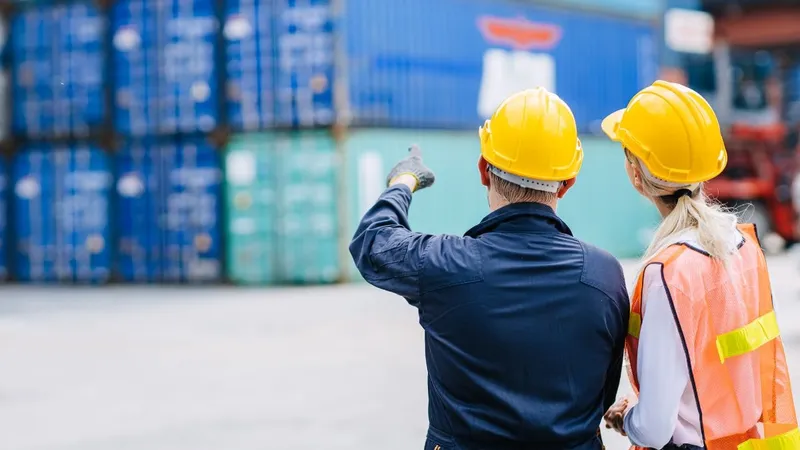
PPE or Personal Protective Equipment is critical to stay safe at sea. Workers must wear PPE, including safety goggles, hard hats, gloves, ear protection, and proper footwear to protect them from potential hazards. These PPE pieces require regular inspection and replacement once they expire or sustain damage. Maritime veterans emphasize the importance of safety at sea. By following the essential tips and guidelines above, workers can lessen the risk of injuries, accidents, and fatalities.