




Safe working on the ship
Personal Safety on Ships
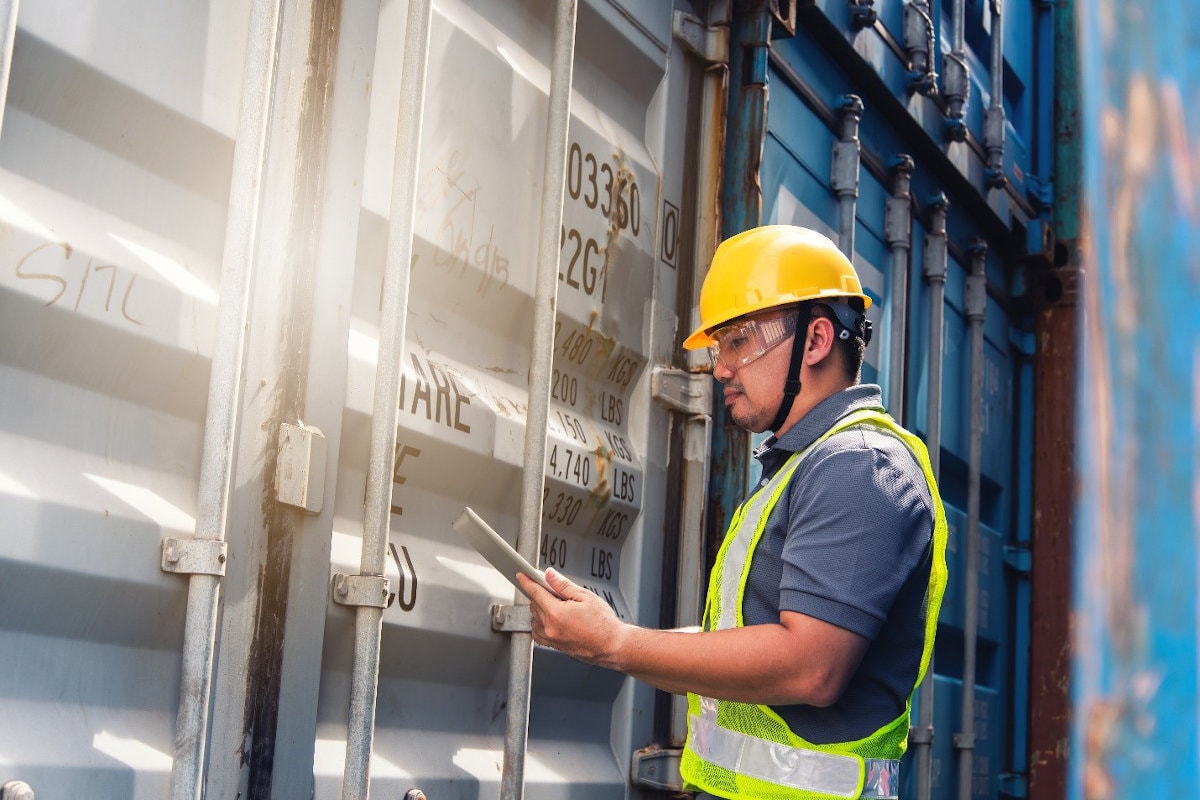
According to SHM Shipcare 2018, personal safety generally includes the different ways and techniques sailors should adopt to stay safe on a personal level, such as attentive movement around the ship, careful handling of heavy cargo, etc. Furthermore, appropriate use of protective and safety equipment is also a part of personal safety on ships.
Some of the most important measures are:
- Wearing Protective Clothing
It is very important to wear adequate and well-suited clothes on a ship since loose clothes can get stuck in the machinery and cause injuries. Proper footwear helps in minimizing the risks of slipping and must always be worn. Also, wearing the gloves to protect the skin is a must.
- Personal Protective Equipment
Helmets, earmuffs, shoes, goggles, masks, life-jackets, safety harness, etc. fall into the category of personal protective equipment, which is used to protect the individual seafarer from any harm.
- Safety Equipment for the Crew
These include lifeboats, emergency medical equipment, fire extinguishers, fire suits and breathing devices, and distress signals for calling help.
- Movement About the Ship
On ships that transport heavy cargo, the containers always need to be securely tied. Crew members should always be on alert for slippery patches, open hatches or unguarded railings.
- Appropriate Use and Placement of Tools
All portable tools and equipment should be carried with both hands. When climbing or descending a staircase, they should be carried in a tool belt or across the body, to leave the hands free for a firm grip.
- Safety guards should be positioned as required before starting the work.
This is crucial since live wires can cause shock or sparking, which can lead to fires. Firefighting equipment must always be kept close in case of an emergency.
- Steady Handling of Hazardous Cargo
Dangerous cargoes must be stored away from the passengers. The cargo must be labelled, and safety instructions must be followed when handling such cargo. The containers must be inspected for any spills or leaks regularly.
- Mooring
During the process of anchoring the ship to the docks, the passengers must stay away from the mooring area. While mooring goods and cargo the entire area should be cleared beforehand since ropes under strain can break and cause damage.
Marine Emergency Equipment
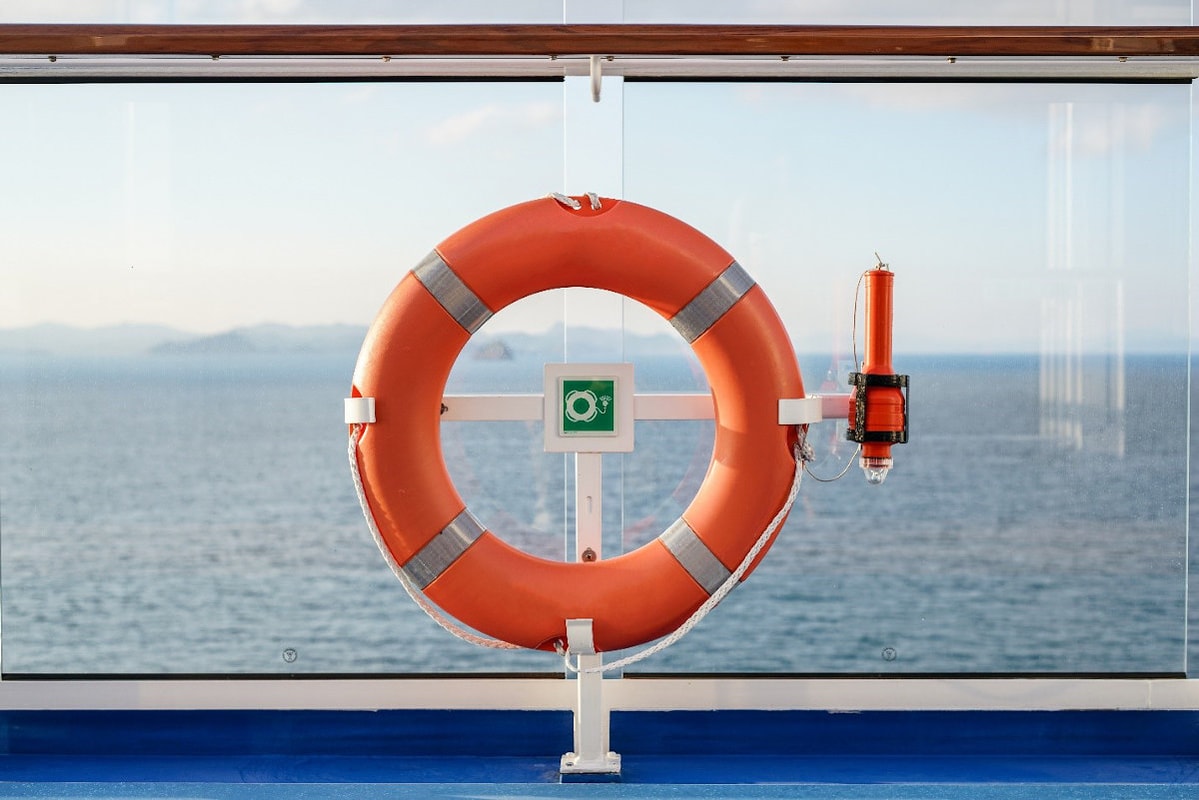
Ship's emergency equipment consists of collective life-saving and personal-protective equipment.
Collective equipment:
- lifeboats
- rescue boats
- life rafts
Personal equipment:
- vests
- life buoys (rings)
- thermal protective suits
- thermal protection agents
The ship is very vulnerable to the possibility of fire, due to the cargo it carries, fuel and lubricants. Considering the materials embedded in the ship itself, the fuel and cargo one can conclude that the risk of fire on board is very high and often with great material damage and frequent human casualties. The specificity of firefighting lies in the fact that fire can occur on open seas, where extinguishing depends solely on the ability, knowledge and skills of the crew, and the readiness of fire extinguishers and appliances.
Fire hazards:
- open fire
- improper handling of propellant
- discarded oily and unclean cotton for cleaning
- mechanical work (friction - metal to metal - hammer)
- chemical reactions (lime with water)
- short circuit in the mains (or self-heating, static electricity)
- the appearance of burst gas when charging the batteries
- improper handling of combustible mixtures and substances
Extinguishing media:
- built-in extinguishing systems
- portable fire extinguishers
The importance of training
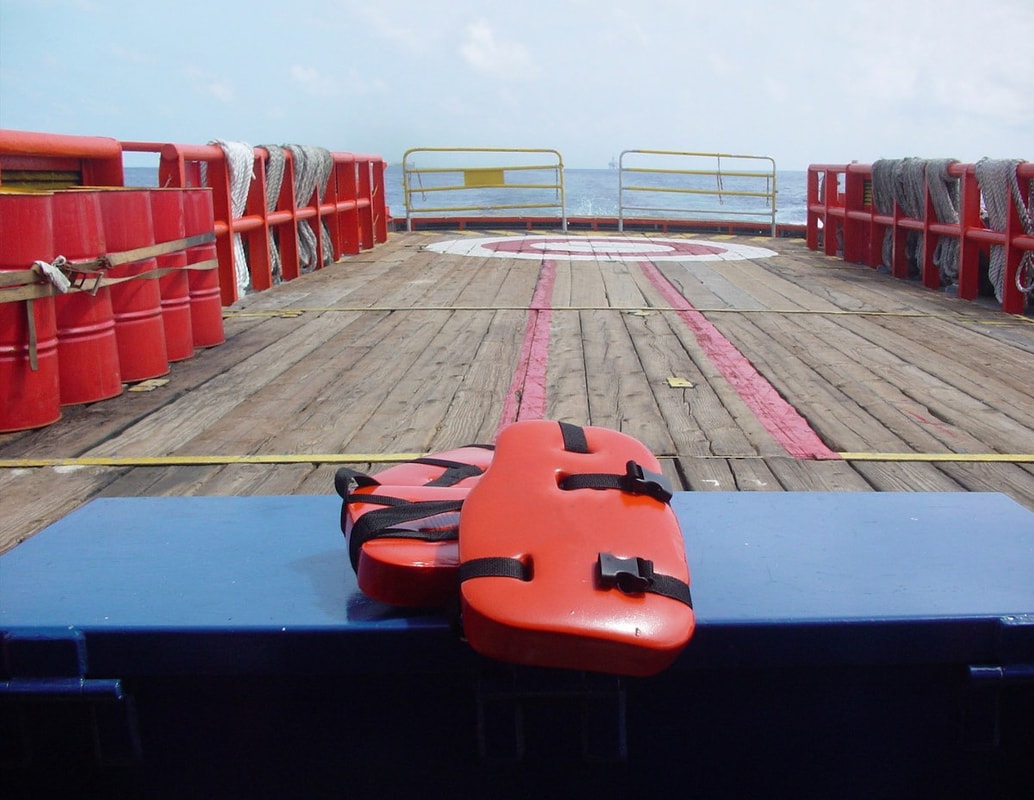
Workers' health and safety risks must be determined and identified. It will often not be possible to eliminate all the risks, but attention should be paid to the control measures that make the workplace and working methods safe enough for normal operation.
Personal protective equipment should only be used to achieve protection against the risks that remain after all other preventative steps have been taken for normal operation. The use of personal protective equipment may cause an accident in itself (e.g. through reduced field of vision, reduced mobility or agility).
The training introduces the worker to work equipment and safety signals.
The types of work equipment are overalls, gloves, appropriate footwear, work wear for everyday tasks on board, but this can often be insufficient protection against certain accidents in some workplaces.
Personal protective equipment can be classified as follows:
- head protection - safety helmets, safety caps
- hearing protection - earbuds and earplugs
- face and eye protection - goggles, face shield, mask
- respiratory protection - dust masks, respirator, breathing apparatus
- body protection - protective suits, safety belts, work equipment, aprons, well-visible clothing
- hand and foot protection - gloves, safety boots and shoes
- protection against drowning - lifejackets, life buoys
- hypothermia protection - thermal protective suits
Security signals
Any safety signs permanently displayed on the deck of a ship for the purpose of giving health and safety information or instructions must conform to the prescribed standard.
Special attention to safety signs should be given to passenger ships sue to hazards known to crew members but not to passengers.
Colours and symbols, when used appropriately, can provide information and warnings about hazards that anyone can understand, no matter what language they speak.
Symbols related to rescue equipment are shown and prescribed according to international standards. Those related to the fire protection plan are also prescribed by international standards.