



Lifeboat Mastery: Essential Skills for Maritime Safety
Maritime safety will always be the most crucial facet of modern-day seafaring. Regarding safety in the water, lifeboat mastery is considered the main cornerstone to ensure the survival of both passengers and crew members during emergencies. Operating lifeboats require different skills, including psychological readiness and technical know-how.
Lifeboats and Their Important Role in Maritime Safety
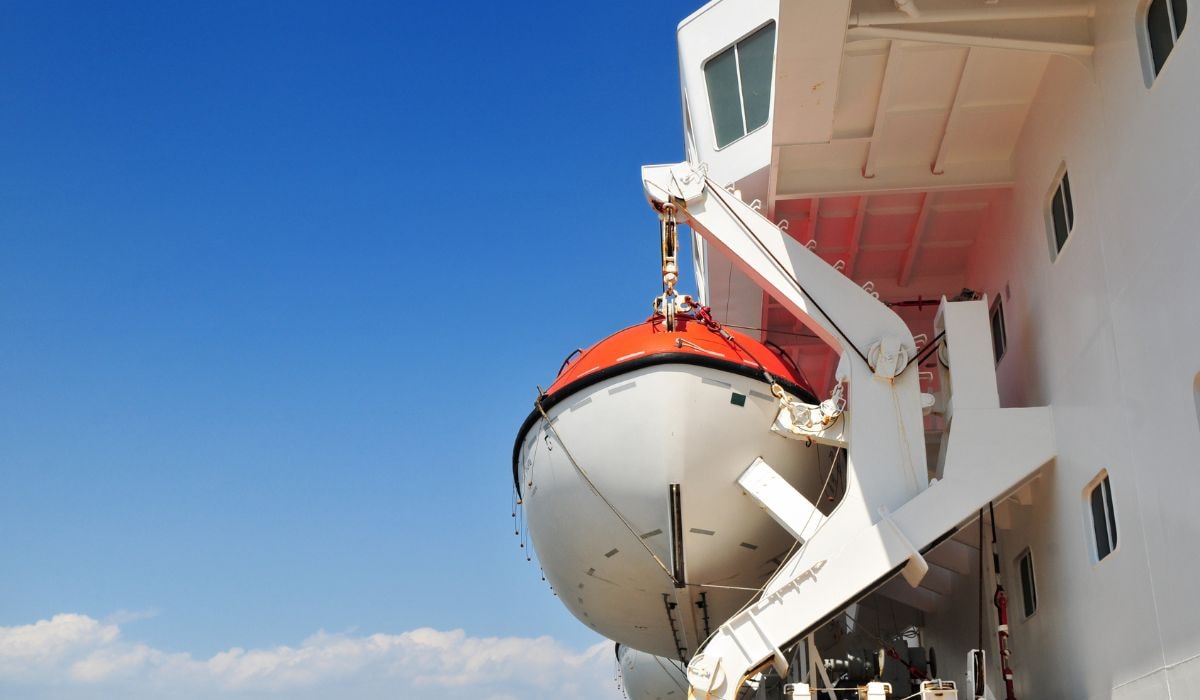
A lifeboat is a small but sturdy vessel adequately equipped to allow emergency evacuation from a giant ship or vessel. It is designed to be self-sufficient and includes shelter, first aid, water, and food supplies.
Modern-day lifeboats also have several state-of-the-art features, such as solar power systems, radios, and GPS, that help improve their reliability during emergencies. The IMO, or International Maritime Organization, sets forth stringent standards and protocols for lifeboats to ensure they can endure harsh conditions at sea and offer the necessary support to save lives.
Essential Skills for Lifeboat Mastery
Mastering the proper use of lifeboats is imperative to ensure maritime safety at all times under different conditions. The following are some of the critical skills required for lifeboat mastery:
1. Coordination and Communication
Effective communication is a must when an emergency occurs. The people operating lifeboats should proficiently use maritime radios to communicate with other vessels and rescue teams. This also encompasses developing a keen understanding of the protocols, radio frequencies, and distress signals required for emergency broadcasts.
Aside from radio operations, lifeboat operations also call for coordination and teamwork. Every crew member must be prepared to work together and follow the lifeboat commander’s instructions to keep the evacuation process orderly and smooth. This may include maintaining the morale of the lifeboat occupants, assigning roles, and managing tasks.
2. Psychological Readiness
Every lifeboat scenario requires strong leadership. The lifeboat commander must be able to take decisive and quick actions while preserving the cooperation and confidence of all crew members. Leadership training must also focus on clear communication, decisiveness, instilling calmness, and inspiring trust in others.
3. Stress Management
High levels of stress are associated with emergencies at sea. This is why it is essential to maintain the psychological ability to operate lifeboats effectively and efficiently.
All crew members should undergo training to learn techniques for proper stress management, including positive self-talk, deep breathing, and visualization. These methods can help people remain focused and calm to continue to make rational decisions even under pressure.
4. Skills for Survival
Effective navigation is critical to guiding lifeboats to safety. It calls for knowledge and familiarity with GPS systems, compasses, and maritime charts. Crew members should also be skilled in seamanship and understand how to manage a lifeboat during various conditions at sea, such as adverse weather and rough waters. It involves mastering different techniques, including steering, rowing, and balancing the lifeboat to ensure it doesn’t capsize.
Survival at sea also depends on managing the group dynamics, setting up and communicating emergency signals, and properly ration supplies. The lifeboat’s occupants should also be familiar with the correct way of administering first aid, using desalination kits to gather fresh water, and creating makeshift shelters that can offer protection from the elements and weather conditions. These skills are essential to sustain life until the rescue team arrives.
5. Technical Aptitude
One of the main skills necessary to master the use of lifeboats is the ability to launch and operate them efficiently. This involves understanding release mechanisms and the mechanics of davits to ensure the swift and safe deployment of the lifeboat.
Crew members should also be knowledgeable about starting the engines of lifeboats, navigating through tumultuous waters, and using various pieces of equipment onboard, such as GPS systems and radios.
6. Inspection and Maintenance
Regular inspection and maintenance of lifeboats are critical for them to function correctly. It includes inspecting for wear and tear, ensuring that the engine and the rest of the mechanical parts are in good working order, and checking for the presence and good condition of all equipment pieces for safety. Crew members must also undergo training to carry out comprehensive inspections and basic repairs to ensure that the lifeboats remain operational.
Drills and Training for Lifeboat Mastery
Mastery of lifeboats requires comprehensive training programs covering survival skills, operation, and maintenance. These programs must involve simulations of different emergency scenarios, practical hands-on training, and classroom instruction. Regular refresher courses are essential to sharpen skills and stay updated with the newest safety technologies and standards.
It is also vital to conduct realistic lifeboat drills to prepare the crew members for actual emergencies. These drills must simulate various types of incidents, including sinking, collision, or fire, and must also include full deployment of the lifeboat. Exercises of this kind can help the crew members practice their roles, honing their skills and identifying areas that still require improvement.
Technological Advancements
Technological advancements have significantly enhanced the capabilities of lifeboats used today. Features such as better communication devices, improved navigation aids, and automated launch systems can guarantee higher chances of successful rescues and evacuations. Being familiar with these technologies is imperative for the lifeboat operator but requires ongoing training to stay abreast of innovations.
Modern-day lifeboats also have systems that better integrate them with search and rescue services. These include transponders that offer real-time data on location and interfaces that allow seamless correspondence with the rescue teams. Knowing how to use these systems effectively can improve the success and efficiency of every rescue operation.
Compliance and Regulatory Standards
The International Maritime Organization (IMO) mandates global standards for designing, operating, and maintaining lifeboats. Compliance with these standards is obligatory for seafaring vessels to ensure uniform safety. Crew members are expected to be familiar with the IMO regulations, which include the requirements for certification processes, equipment inspections, and lifeboat drills.
Aside from the global standards, the national authorities in the maritime industry may also implement their respective regulations that govern the operations of lifeboats. These may include specific requirements for training, emergency procedures, and inspection protocols. Complying with and staying current with these regulations is imperative to ensure operational and legal readiness.
Lessons Learned and Case Studies
Sharing the best practices in maritime communication can help boost safety standards in general. This includes exchanging information regarding the successful deployment of lifeboats, innovative training methods, and effective communication strategies. Collaboration among maritime experts can also foster a culture of sharing knowledge and continuous improvement.
Analysis of maritime incidents in history offers critical lessons to help improve lifeboat operations. The case studies of different disasters, including the Costa Concordia, the Titanic, and other similar significant events, show the importance of extensive emergency procedures, practical training, and preparedness. Tragedies can be prevented in the future if everyone learns from mistakes made in the past.
The Bottom Line
Lifeboat mastery is an essential aspect of maritime safety encompassing a wide range of knowledge and skills. Every aspect, from psychological readiness to teamwork and communication, is critical in keeping passengers and crew members safe during emergencies. Compliance with regulatory standards, realistic drills, and comprehensive training are critical to maintaining higher levels of preparedness.
Most Recent Posts
Discover more articles from our blog.