




Port and Supply Chain Cybersecurity
Cyber Risks in Smart Ports and Automated Terminals
As digitalization rapidly accelerates in the maritime industry, so does the emergence of smart ports and automated terminals as well. Because of this, there is also the growing importance of cybersecurity in smart ports and automated terminals. Smart ports, also known as Port 4.0, integrate IoT, automation, AI, and big data to enhance efficiency but also introduce new cyber risks. Increased interconnectivity between ports, logistics systems, and operational technology (OT) creates vulnerabilities that cybercriminals can exploit. Due to this interconnectivity and potential vulnerabilities, cybersecurity is recognized as one of the top risks in ports, in addition to piracy and terrorism. Mitigating these risks requires policymakers, port authorities, and private stakeholders working together to implement robust cybersecurity policies, incident response plans, and employee awareness programs.
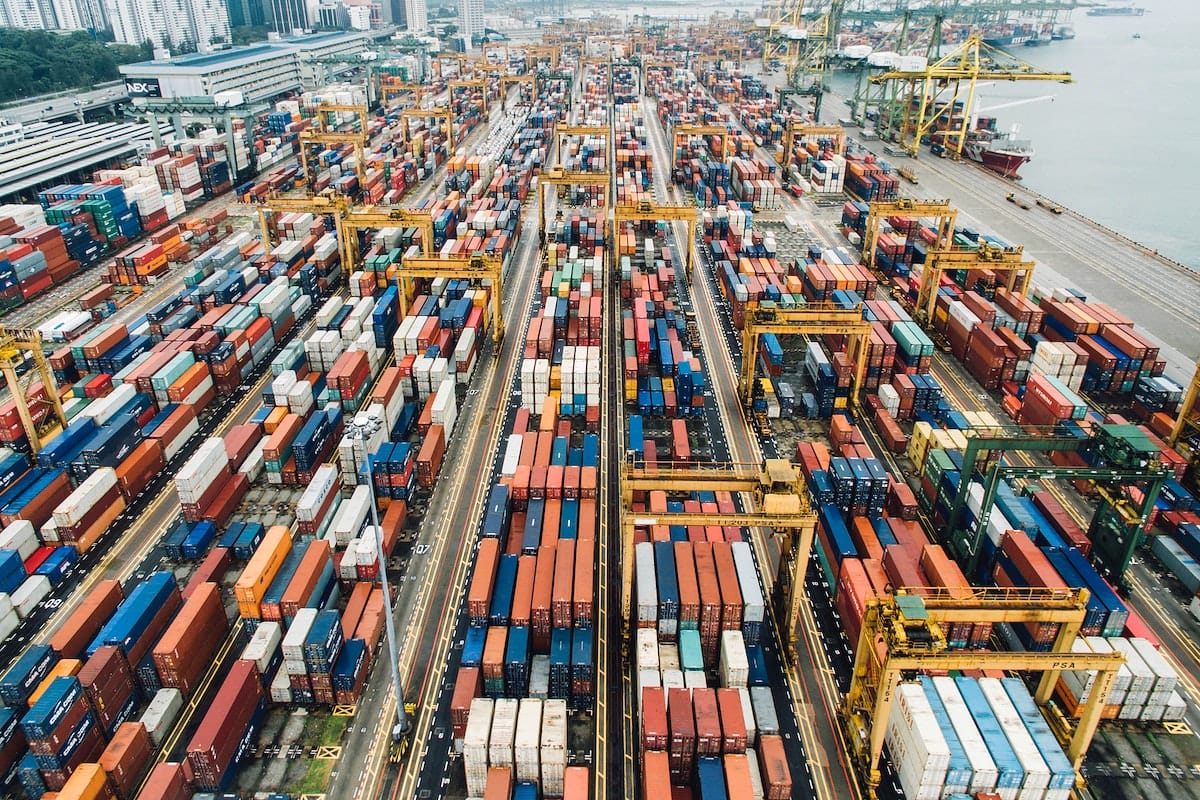
The SMARTER research program in Finland, for example, focuses on assessing and mitigating these risks by developing a comprehensive cybersecurity framework for smart port operations. However, risks may extend beyond digital dimensions as well, encompassing systems related to physical infrastructure, such as power supply disruptions, data transmission failures, and cyber-physical attacks that can paralyze port services.
Supply Chain Vulnerabilities
As with other systems, digital interconnectedness creates significant cyber security risks to supply chains as well. Modern maritime supply chains rely on automated logistics, real-time tracking, and cloud-based data exchange, making them susceptible to ransomware, phishing, and data breaches. Attackers can exploit third-party service providers, unsecured IoT devices, and outdated IT/OT systems to infiltrate networks and disrupt operations. If a cyber attack occurs, it can delay shipments, manipulate cargo data, and compromise port security, leading to financial losses and operational downtime. Global trade flows can also be disrupted by GPS spoofing and AIS tempering, misleading vessel tracking. Because of this, multi-layered cybersecurity defenses, such as real-time monitoring, secure authentication protocols, and risk assessment frameworks are necessary in order to ensure that cyber threats do not incapacitate maritime logistics and global trade operations.
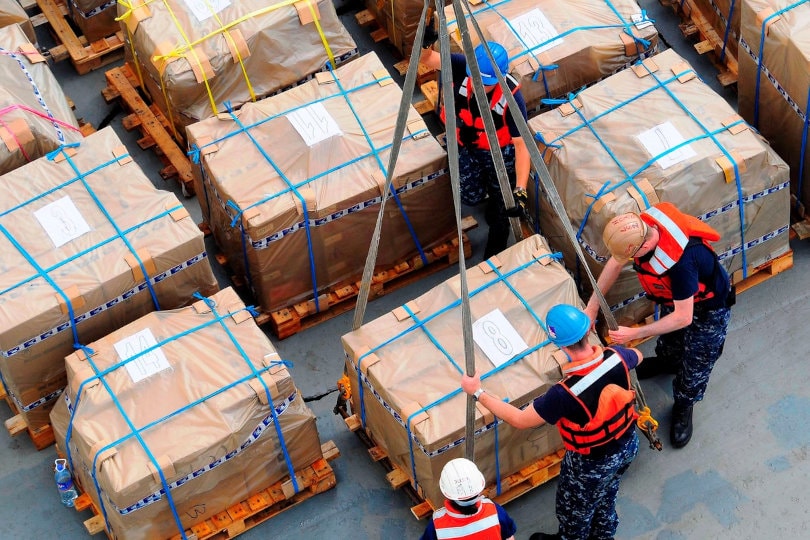
The severe impact of cyber attacks on supply chains is evident when observing the costs of such incidents. Since cybercriminals exploit outsourced suppliers with network access to infiltrate systems, manipulate data, and hold it for ransom, ransomware is the most common type of cyber attack, accounting for 21% of incidents, with an average cost of $4.35 million per breach. In 2021, for example, after a hacker group named DarkSide gained access to Colonial Pipeline's network via a compromised VPN password, leading to a multi-day shutdown of the pipeline that supplies fuel across the U.S. East Coast. Although this example is not related to the shipping industry, it shows how critical the cybersecurity of infrastructure is as appropriate security measures mitigate such incidents.
Cyber Resilience Strategies for Maritime Logistics
Maritime logistics represents the backbone of global trade, responsible for transporting over 80% of the world's goods across international waters. It encompasses the planning, execution, and management of cargo movement via sea routes, ensuring efficient and cost-effective transportation of raw materials, consumer goods, and industrial products. As this sector of the maritime industry becomes increasingly digitalized, it is vital to be prepared for and able to respond to and recover from cyber incidents while ensuring minimal disruption to operations.
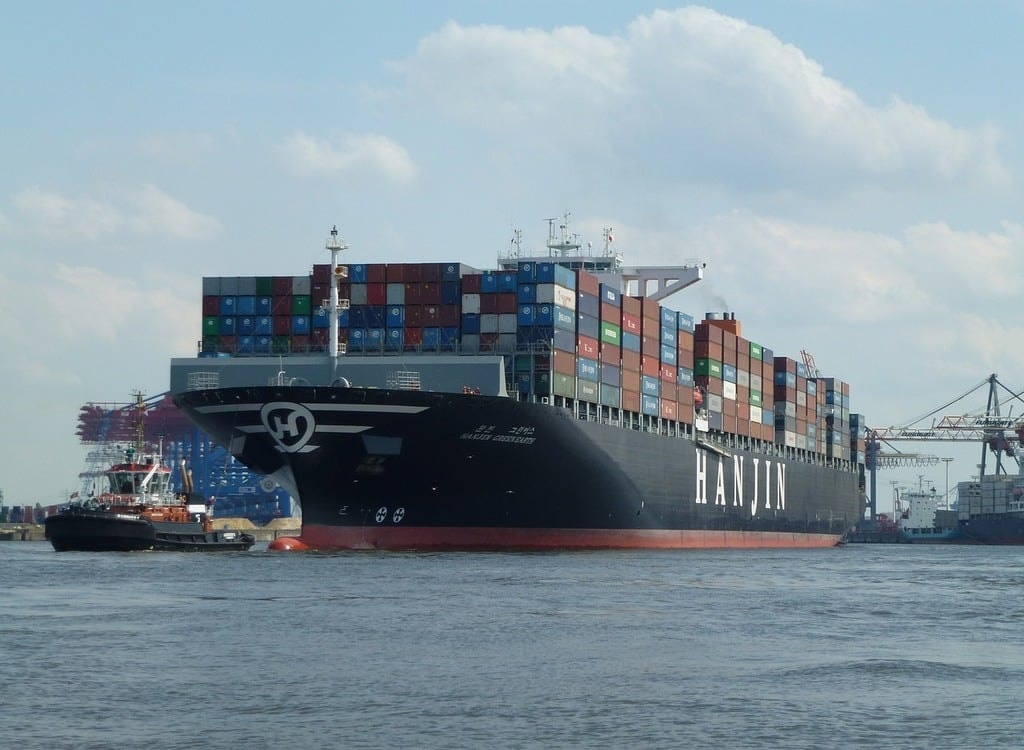
Some of the key cyber resilience strategies can include:
- Risk Assessment & Threat Intelligence - Regular cyber risk assessments help identify vulnerabilities in shipboard and port IT/OT systems. Sharing threat intelligence across the industry improves awareness of evolving cyber risks.
- Network Segmentation & Access Controls - Separating critical operational networks from public and administrative systems reduces attack surfaces. Implementing role-based access controls (RBAC) ensures that only authorized personnel can access sensitive systems.
- Incident Response & Recovery Planning - Maritime operators must develop detailed response plans for cyber incidents, including data backup solutions, rapid containment measures, and coordinated recovery strategies.
- Employee Training & Cyber Hygiene - Regular cybersecurity awareness training for ship crews, port staff, and logistics teams helps prevent phishing, ransomware, and social engineering attacks.
- Regulatory Compliance & Collaboration - Following IMO cybersecurity frameworks ensures compliance and strengthens maritime cybersecurity. Collaboration with government agencies and industry stakeholders is essential for building a resilient maritime supply chain.