




Cybersecurity in Shipboard Systems and Operations
Onboard Systems Vulnerable to Cyber Threats
To begin with, the electronic chart display and information system (ECDIS) can be highly vulnerable to cyberattacks due to its reliance on external data inputs, GPS signals, and software updates. Hackers can exploit weaknesses to manipulate navigational data, spoof GPS coordinates, or disable critical functions, leading to collisions, grounding, or misrouting. Regular software updates, access controls, and network segmentation are essential for protection.
Furthermore, due to its lack of authentication and encryption mechanisms, the automatic identification system (AIS) is also susceptible to cyberattacks. Many professionals indicate how AIS is particularly vulnerable to spoofing attacks, which manipulate vessel locations, create ghost ships, or hide illegal activities. Cybercriminals exploit these weaknesses to mislead navigation, evade detection, or stage maritime security threats. Because of this, it is often stressed how enhanced encryption and regulatory measures are required to secure AIS data.
GPS is another vulnerable to cyberattacks. Jamming, which involves overwhelming GPS receivers with stronger signals, causing a loss of positioning data, is one of the most common threats to the global positioning system. As with ECDIS and AIS, spoofing is also common, entailing the transition of counterfeit GPS signals, thus misleading receivers about their true location and time. These attacks most commonly result in navigation errors, thus leading to safety hazards.
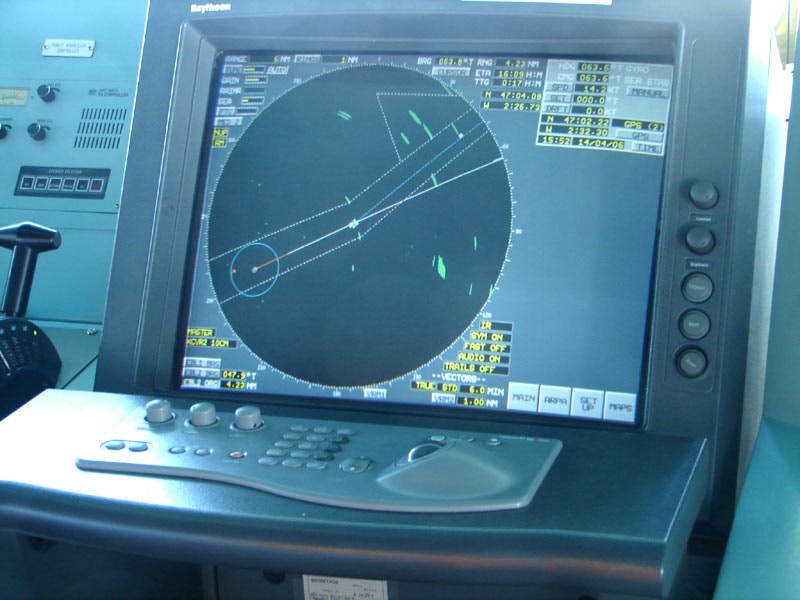
With increasing digitalization, engine control systems in the shipping industry have become more vulnerable to cyberattacks. Potential threats include unauthorized access, malware insertion, and data manipulation, which can lead to loss of propulsion, equipment damage, or environmental incidents.
Operational Technology (OT) and Information Technology (IT) risks
Information technology (IT) systems in the shipping industry are tasked with data management, communication, and administrative functions. This makes them one of the primary targets for phishing, ransomware, and data breaches. Since these systems are connected to the internet, they are at a greater risk of being targeted by cyber criminals through not only malware but also social engineering. Because of this, they require firewalls, and extensive network monitoring.
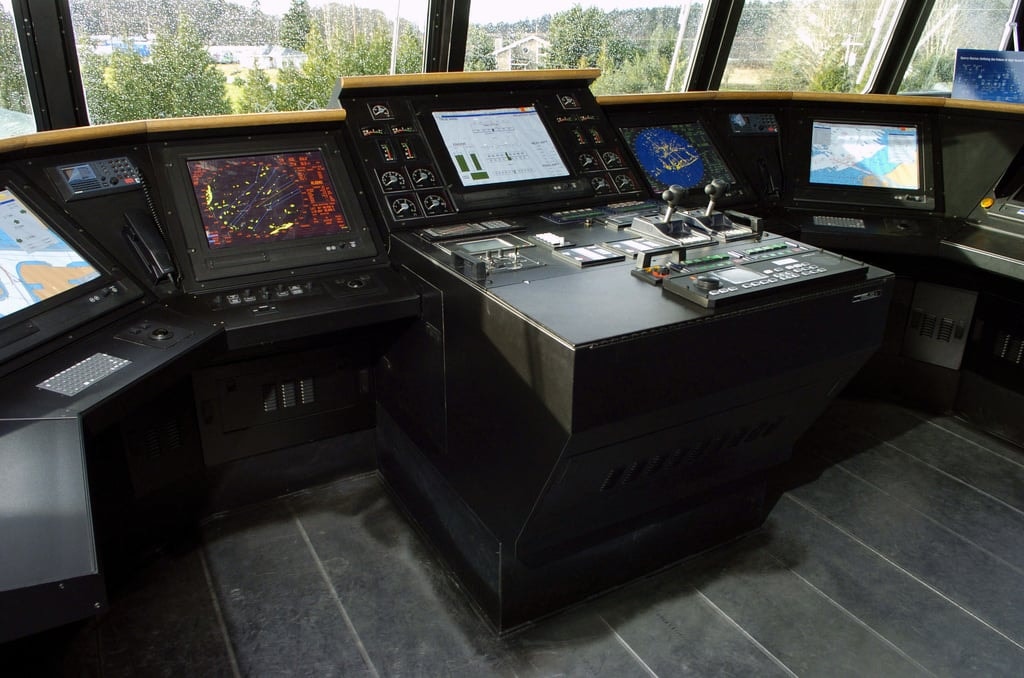
Operational technologies (OT), as their name implies, control physical processes like crane automation, cargo handling, and vessel traffic management. These systems were not originally designed with cybersecurity in mind, making them vulnerable to legacy system attacks, security risks, and industrial control system exploitation. Since their operation is continuously required, a potential shutdown or malfunction can delay operations and thus be extremely costly.
Moreover, it is also important to mention that these two systems have become increasingly interconnected. A potential cyber attack on one system may thus impact the other as well, potentially leading to navigation failures, system malfunctions, and even ship takeovers. Because of this, it is recommended to segment IT and OT networks, regularly update software and hardware, and implement multi-factor authentication. Such a unified approach is essential in avoiding continuously evolving cyber threats.
Network Segmentation
Network segmentation entails dividing a computer system into smaller parts with the aim of improving network performance and security. In the shipping industry, this means dividing a vessel's IT and OT networks into separate segments to minimize the risk of unauthorized access. However, network segmentation also include other benefits such as:
- Prevention of cyber incidents from spreading across other vital systems.
- Unauthorized access to navigation and engine control is greatly reduced.
- Enhanced monitoring via better visibility into network activity.
- Compliance with other cybersecurity regulations (such as IMO).
Some of the key steps in network segmentation include:
- Identify Critical Systems - Determine which systems need protection, such as navigation, engine control, and communication networks.
- Create Segmented Networks - Separate business, crew, Wi-Fi, passenger, and supplier networks from operational systems.
- Implement Firewall Policies - Use firewalls to control data flow between different network segments, allowing only necessary communication.
- Utilize Security Standards - Follow ISO 27001 and ISA/IEC 62443 standards for secure segmentation.
- Start with Easy Segmentation - Prioritize crew and guest networks first before segmenting operational networks.